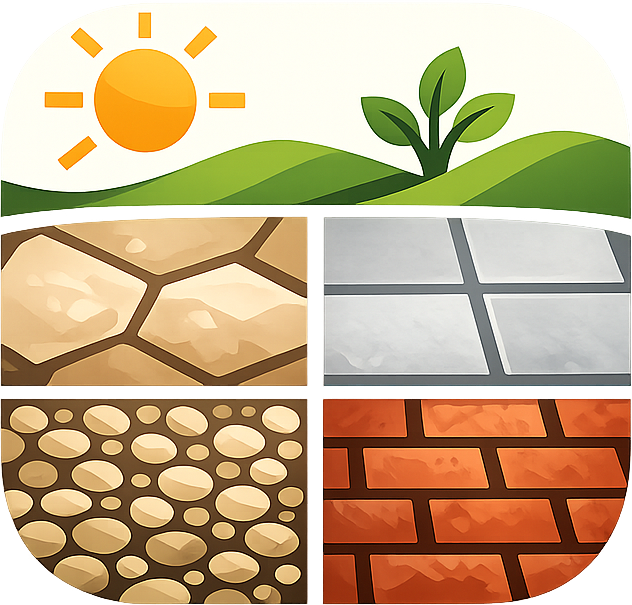
For most homeowners, concrete pavers or flagstone hit the sweet spot between cost, durability, and looks. Concrete pavers run about $10–$20 per square foot installed, handle freeze-thaw cycles well when properly based, and are genuinely DIY-friendly. Flagstone costs a bit more ($15–$30 per sq ft installed) but gives you a natural look that's hard to beat. Gravel is the budget king at $6–$14 per sq ft and drains beautifully.
Best Patio Materials: Compare Flagstone, Brick, Stone, More
Nolan Ellison
11 May 2026
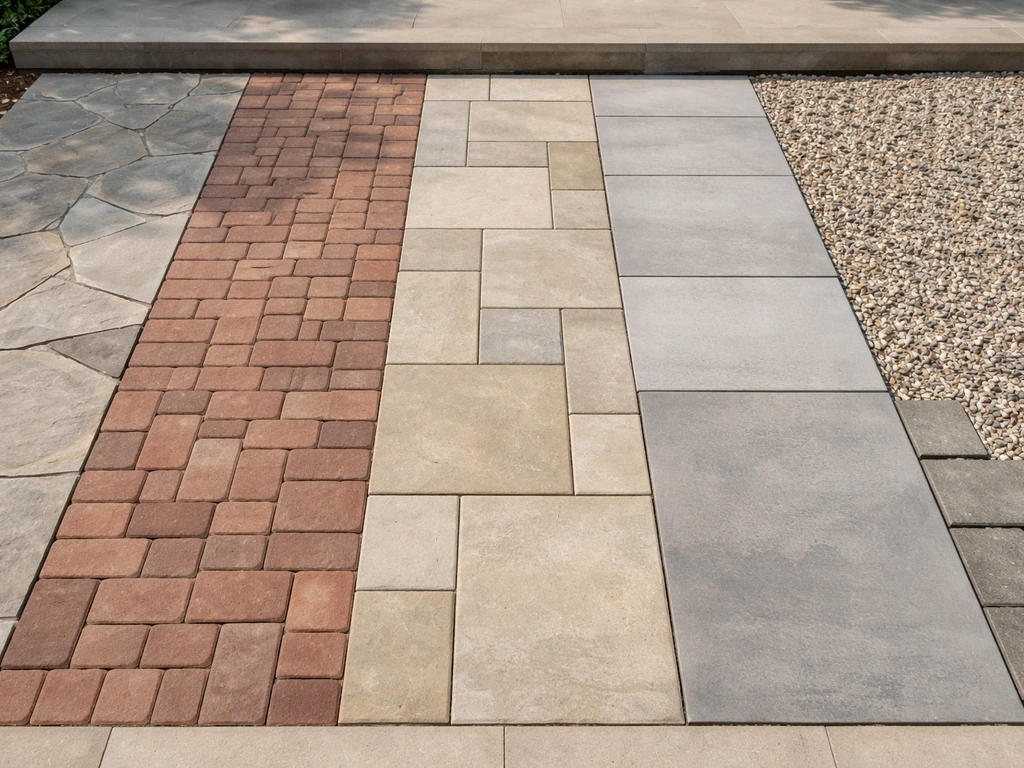
Porcelain tile is the premium choice if you want a sleek, modern surface. Brick is charming and long-lasting. Composite or paver systems offer consistency and low maintenance. Which one is actually best for you depends on your climate, soil, budget, and how much upkeep you're willing to do, and this guide walks you through all of it.
If you’re choosing a patio material for dogs, you’ll also want to prioritize traction, easy cleanup, and durability against scratching and droppings best patio material for dogs.
Top patio material picks by situation
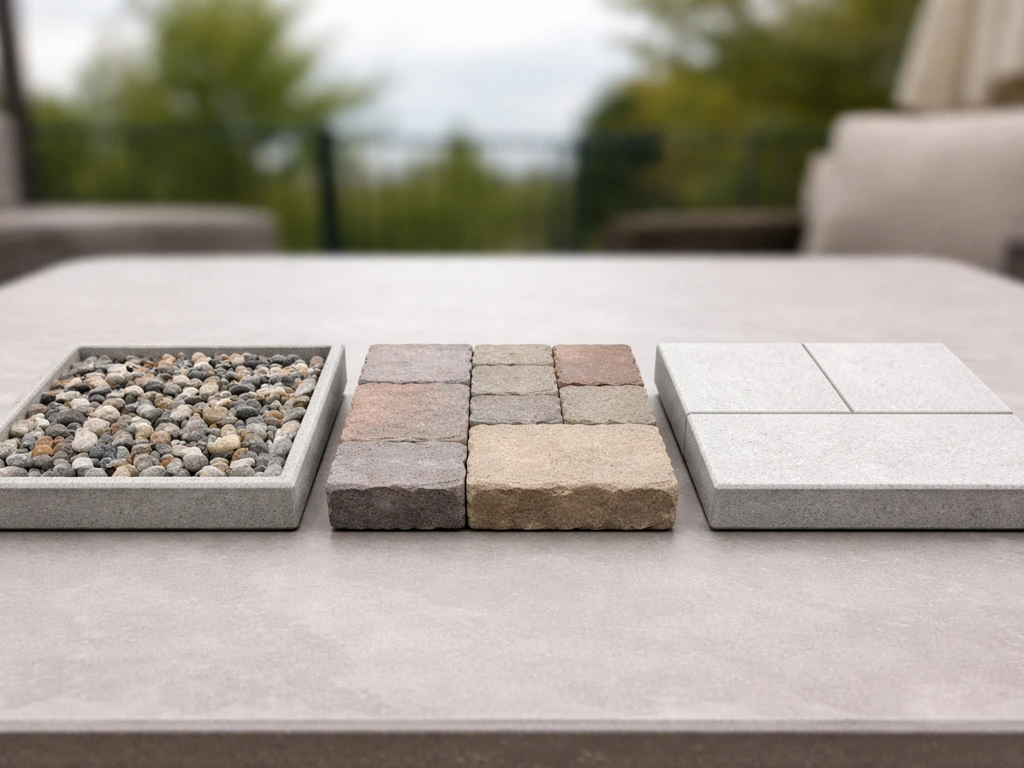
There's no single "best" patio material in an absolute sense, but there are clear winners for specific situations. Here's a fast-reference shortlist to get you oriented before we dig into the details.
| Your situation | Best pick | Runner-up |
|---|---|---|
| Tight budget | Gravel ($6–$14/sq ft) | Concrete pavers |
| Cold climate with freeze-thaw cycles | Porcelain pavers or concrete pavers | Flagstone (with sealed joints) |
| Hot, sunny climate | Flagstone or natural stone | Light-colored concrete pavers |
| DIY installation | Concrete pavers or gravel | Brick |
| Maximum durability, minimal maintenance | Porcelain tile pavers | Concrete pavers with polymeric sand |
| Natural, rustic look | Flagstone or irregular natural stone | Brick |
| Drainage problems or clay soil | Gravel or permeable pavers | Flagstone (dry-laid) |
| Households with dogs or active kids | Concrete pavers or gravel | Flagstone (avoid porcelain if rough play) |
| High-end, modern aesthetic | Porcelain tile (large format) | Composite/engineered pavers |
| Mid-range budget, classic look | Brick or concrete pavers | Flagstone |
Breaking down each material honestly
Flagstone
Flagstone is one of the most popular natural patio surfaces for a reason: it looks incredible, ages beautifully, and works well in both formal and casual settings. Typical installed cost runs $15–$30 per square foot, with a 200 sq ft patio averaging around $3,650. It can be laid dry (on compacted gravel or sand) or mortared onto a concrete slab. Dry-laid flagstone is very DIY-friendly and allows drainage between gaps, but the stones can shift over time.
Mortared flagstone is more stable and permanent but needs a solid base and is harder to repair. The main downsides: irregular thickness makes leveling tricky, and some flagstone types (like softer sandstone) can chip or spall in harsh freeze-thaw conditions. Seal it every 2–3 years to protect against staining and moisture intrusion.
Porcelain tile
Porcelain pavers are the most technical option on this list, and they reward the extra investment. They're extremely dense, with very low water absorption, which makes them one of the top performers in freeze-thaw climates, freezing water has almost nowhere to go inside the tile, so spalling risk is minimal. For outdoor use, always look for tiles with a dynamic coefficient of friction (DCOF) of 0. 42 or higher (the ANSI A137.
1 minimum for wet surfaces), which is now a standard filter on most major tile retailer sites. Large-format porcelain (24x24 or bigger) gives a sleek, modern look that photographs beautifully. The catch: installation requires a very flat, stable mortar bed or specialized paver clips, and any substrate movement can crack tiles. This is not a beginner DIY project.
Costs vary widely but expect to pay a premium for material and labor compared to concrete pavers.
Gravel
Gravel is the most underrated patio surface. At $6–$14 per square foot installed, it's the most affordable hard-surface option and offers naturally excellent drainage, a serious advantage if you're dealing with clay soil or a site that collects water. Pea gravel and crushed granite are the most common choices.
Gravel patios are essentially a weekend DIY project: excavate 4–6 inches, lay geotextile fabric for weed suppression (and to keep fines from sinking into native soil), add compacted base stone, then top with 2–3 inches of decorative gravel. The downsides are real though: gravel migrates underfoot and into the lawn, it's not great for furniture (chairs sink in), and it requires occasional top-dressing and raking. That said, for a low-budget, high-drainage situation, nothing competes on value.
Brick
Brick patios have a classic, warm appeal that other materials struggle to replicate. Traditional clay brick is durable, but freeze-thaw performance varies significantly depending on the specific brick's density and manufacturing process. Historical or reclaimed brick is charming but can be prone to spalling in harsh climates because older manufacturing methods produced more porous units. New SW-rated (severe weathering) clay pavers are a much safer choice in cold climates. Brick is reasonably DIY-friendly when sand-set, and individual units can be replaced if they crack or settle. Maintenance involves periodic re-sanding of joints and occasional cleaning to manage moss and efflorescence.
Natural stone (beyond flagstone)
Natural stone covers a broad range: bluestone, slate, limestone, travertine, granite, and quartzite are all common patio surfaces. Each has a different durability profile. Bluestone and granite are extremely hard and weather-resistant. Travertine looks gorgeous but is porous and needs sealing in wet climates. Slate can delaminate in severe freeze-thaw conditions. The appeal of natural stone is unique character and longevity, a granite patio installed correctly can outlast the house. Installed cost varies widely depending on stone type, but expect to pay in the same range as flagstone or higher for premium species. Like flagstone, stone can be dry-set or mortared, and sealing every 2–3 years is recommended for most types.
Composite and engineered paver systems
Composite pavers (concrete pavers, interlocking paving systems, and manufactured stone pavers) are the workhorse of residential patios. Concrete pavers specifically are ICPI-tested, dimensionally consistent, and designed for interlocking installation with predictable performance. The minimum thickness for pedestrian-use concrete pavers is typically 2-3/8 inches (60 mm), sitting on a compacted aggregate base of at least 6 inches. They come in dozens of colors and patterns, are relatively easy to install with basic skills, and can be repaired by lifting and resetting individual units. Polymeric sand in the joints inhibits weed growth for up to 5 years and resists washout. These are the most "system-oriented" patio surface, the material, base spec, and installation method are all engineered together, which reduces guesswork.
Side-by-side material comparison
| Material | Installed cost (per sq ft) | DIY-friendly? | Freeze-thaw performance | Drainage | Maintenance level | Longevity |
|---|---|---|---|---|---|---|
| Flagstone | $15–$30 | Moderate (dry-set) | Good (varies by stone type) | Good if dry-set | Medium (seal every 2–3 yrs) | 20–50+ years |
| Porcelain tile | $20–$40+ | Low (needs flat base) | Excellent (low absorption) | Poor (needs slope) | Low (no sealing needed) | 30–50+ years |
| Gravel | $6–$14 | High (easiest) | Excellent (flexible) | Excellent | Low–Medium (top-dress, rake) | Ongoing (replenish) |
| Brick | $12–$25 | Moderate (sand-set) | Good (SW-rated brick) | Good if sand-set | Medium (re-sand, clean) | 25–50+ years |
| Natural stone | $15–$35+ | Moderate | Varies by species | Good if dry-set | Medium (seal every 2–3 yrs) | 25–100+ years |
| Concrete pavers | $10–$20 | High (well-documented) | Good–Excellent | Good with proper slope | Low (polymeric sand) | 25–50 years |
How climate and site conditions change the "best" choice
Climate is one of the most important filters to apply before you settle on a material. If you're in a freeze-thaw climate (think New England, the Midwest, or the northern Rockies), water absorption is the enemy. Porcelain pavers win here because their extremely dense structure leaves almost no room for water to enter and expand during freezing. For freeze-thaw performance, look for tiles tested under blank" rel="noopener noreferrer">ASTM C1026, the standard method for measuring ceramic and glass tile resistance to freeze-thaw cycling. SW-rated clay brick and quality concrete pavers also perform well. Avoid highly porous natural stone like travertine or soft sandstone flagging in harsh winter climates unless you're committed to diligent sealing.
In hot climates, the priority flips: heat absorption and surface comfort matter most. Dark porcelain and dark natural stone can get painfully hot underfoot in direct sun. Light-colored flagstone, travertine, and buff-toned concrete pavers stay significantly cooler. If you're in a hot, arid climate with intense UV, also think about color fading, porcelain holds color indefinitely, while some concrete pavers fade over years of sun exposure.
Soil and drainage conditions are equally important. To get the best soil for a patio garden, focus on drainage first by choosing well-drained soil or improving clay with amendments before you build the base and plant beds. Clay soil drains poorly and shifts seasonally, which stresses any rigid mortar installation. Clay soil drains poorly and shifts seasonally, which stresses any rigid mortar installation, so choosing a flexible, well-draining surface is key best patio material for clay soil.
On clay, dry-set flagstone, gravel, or permeable concrete pavers give the ground room to move without cracking your surface. Sandy or well-drained soil is more forgiving and works with any installation method. If drainage is a persistent problem, gravel patios are the lowest-effort solution, they drain almost instantly. If drainage is a persistent problem, choosing the best patio material for drainage can save you from pooled water and constant maintenance. If you want a clear starting point for your backyard, compare the best patio material for drainage with the options in this guide before you buy anything.
For more detail on this, the best patio material for clay soil and best patio material for drainage topics cover site-specific scenarios in depth. If you want the best patio material for New England weather, freeze-thaw performance and drainage are usually the deciding factors best patio material for clay soil.
Cost, longevity, and maintenance: what you're really paying for
The sticker price of a patio material is only part of the story. A gravel patio at $6–$14 per square foot needs periodic top-dressing and raking, cheap upfront, but not zero-maintenance over a decade. A porcelain tile patio costs more installed, but the surface itself needs almost no ongoing maintenance: no sealing, no re-sanding, just periodic cleaning. Flagstone and natural stone are middle-ground: beautiful and long-lasting, but they benefit from sealing every 2–3 years, which adds to the lifetime cost.
Longevity is where natural stone and quality pavers really shine. A well-installed granite or bluestone patio can last 50 to 100+ years. Concrete pavers typically last 25–50 years before color fade or surface wear becomes a real issue. Gravel, technically, lasts as long as you keep replenishing it. The cheapest option long-term is often the one that was installed correctly from the start, skimping on the base is where I've seen patios fail in as few as 3–5 years, regardless of the surface material.
Here's a practical way to think about it: if you're likely to sell the house in 5–7 years, a mid-range concrete paver or flagstone patio is probably the sweet spot, it looks great, adds curb appeal, and doesn't require a huge upfront investment. If you're building your forever home, investing in quality natural stone or large-format porcelain makes a lot of sense because you'll enjoy the quality and durability for decades.
Installation best practices: base prep, drainage, and leveling

This is the section most guides skip or gloss over, and it's the single biggest factor in whether your patio lasts 5 years or 50. No matter what surface material you choose, the base is doing most of the work.
Base depth and compaction
For pedestrian-use concrete pavers and most sand-set surfaces, plan on a compacted aggregate base of at least 6 inches. In areas with poor soil, frost depth concerns, or heavy use, 8–12 inches is better. The base material should be a compactable crushed aggregate (not rounded river gravel), compacted in 3–4 inch lifts to at least 95% Proctor density. On top of the base, a 1 to 1.5 inch bedding sand layer provides the final leveling course for pavers, not thicker, because excess sand compresses unevenly over time. The ICPI (Interlocking Concrete Pavement Institute) technical specs are the industry reference here, and they're worth looking at if you're doing this yourself.
Slope and drainage
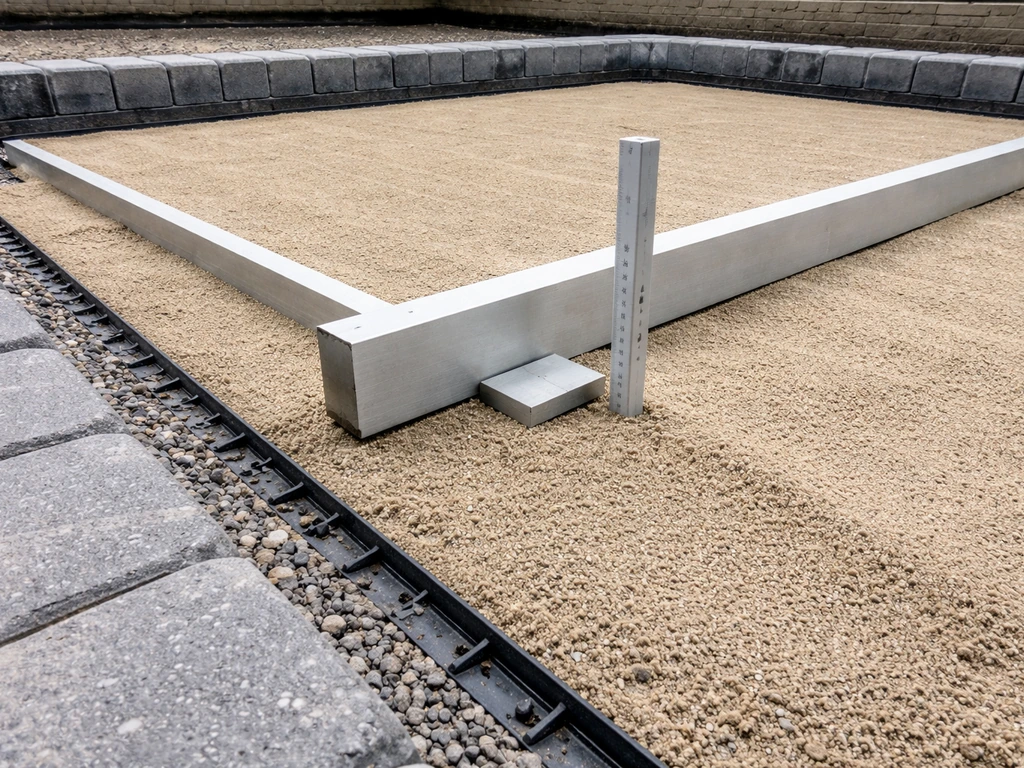
Every patio surface needs a slope to drain water away from the house. The standard guidance is 1/8 to 1/4 inch of drop per linear foot of patio, directed away from any structure. That's about 1–2 percent slope. Even gravel patios benefit from a slight slope, flat gravel areas can pool water and become muddy. For porcelain tile or mortared stone, this slope has to be built into the concrete substrate before you tile, because you can't compensate for a flat or back-pitching slab after the fact.
Leveling tolerances and edge restraints
For interlocking paver systems, the final base surface elevation should not vary more than plus or minus 3/8 inch across the area. That sounds precise, but it's achievable with a decent screeded sand bed and a long straightedge. Edge restraints are non-negotiable for sand-set or flexible paver installations. Skipping edge restraints is one of the most common DIY mistakes, without them, pavers gradually migrate outward, gaps open up, and the whole surface destabilizes over time. Use plastic or aluminum paver edging staked every 12 inches, or border the installation with mortared soldier-course units.
Subgrade and geotextile
Before placing your base stone, consider laying a geotextile fabric on the compacted native soil. Geotextile acts as a separator and filter: it allows water to pass through while preventing the fine particles in your native soil from migrating up into your base stone (which would cause settling and instability over time). This is especially valuable on clay or silty soils. For gravel patios, the geotextile layer also suppresses weeds from beneath.
Safety and usability: slip resistance, heat, and weed control
Slip resistance
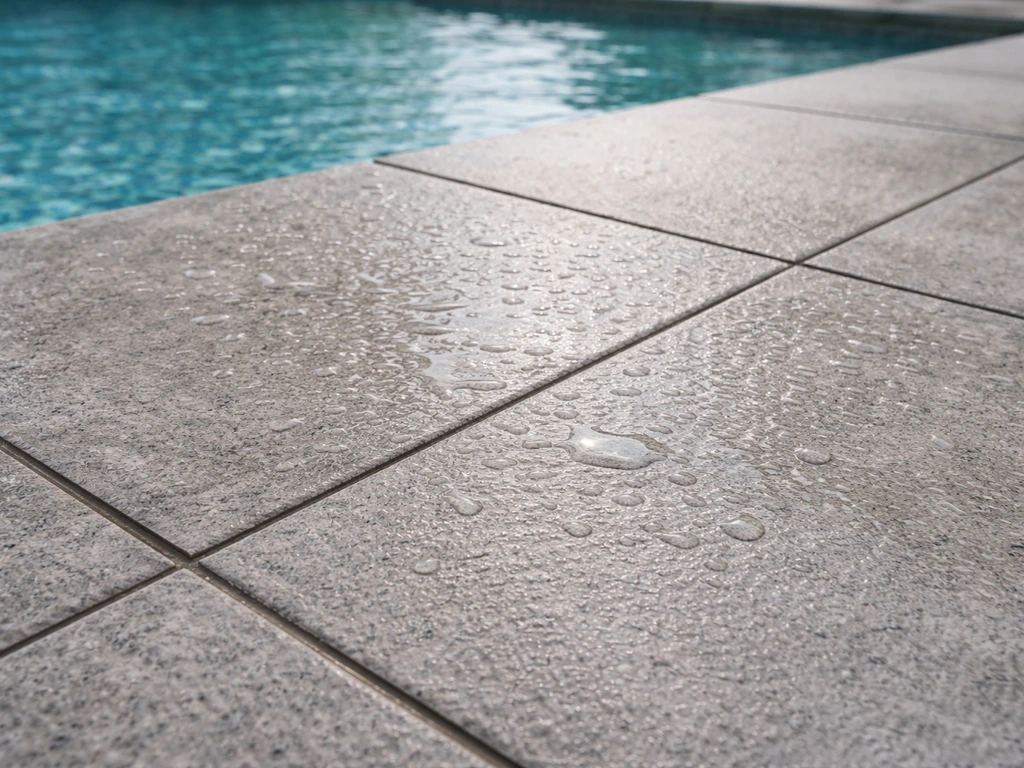
Slip resistance is a real safety consideration, especially around pools, in shaded areas where moisture lingers, or in households with older adults or kids. For porcelain and tile surfaces, the key spec is DCOF (Dynamic Coefficient of Friction). ANSI A137. 1 requires a minimum wet DCOF of 0.
42 for surfaces walked on when wet. For outdoor areas, aim for 0. 42 or higher, and many quality outdoor porcelain products come in at 0. 42–0.
52. Most major tile retailers now filter by DCOF ≥ 0. 42 for outdoor categories, so it's easy to check. Textured or sawn-finish flagstone and natural stone also perform well for grip.
Smooth, polished stone or glass-smooth porcelain are the ones to avoid outdoors. Gravel is naturally slip-resistant but unpredictable underfoot for those with mobility concerns.
Comfort underfoot and heat
Stone and porcelain surfaces retain heat in direct sun. On a 90°F day, dark-colored stone can reach surface temperatures well above 140°F, which is uncomfortable and potentially hazardous barefoot. Light-colored materials (buff flagstone, cream travertine, light gray pavers) stay noticeably cooler. Gravel dissipates heat better than solid surfaces. If you're building a patio for barefoot use in a hot climate, material color and texture matter as much as aesthetics.
Weed control
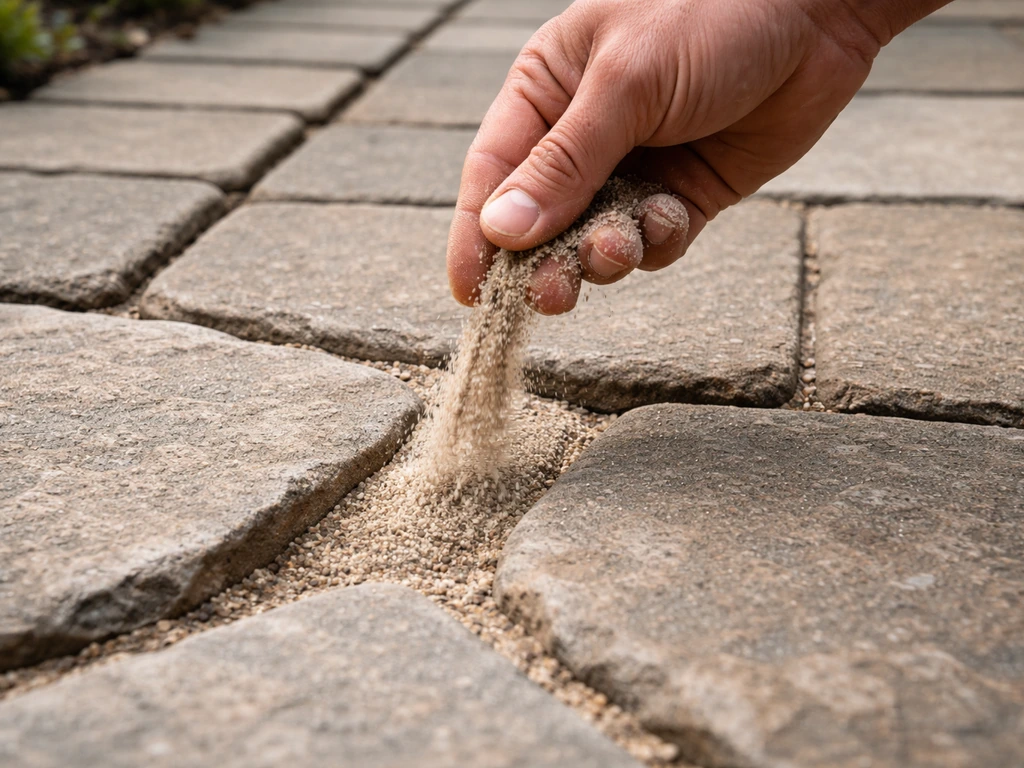
Weeds growing through patio joints are one of the most common (and annoying) maintenance issues. For sand-set pavers and flagstone, polymeric sand is the best solution: it hardens when wet, locks into joints, and inhibits weed growth for up to 5 years. After that period, you can sweep in fresh polymeric sand and re-activate it with water. Keep the surface dry for 24–48 hours after installation to allow proper curing. Landscape fabric beneath gravel patios blocks weed growth from below, though it works best combined with a sufficient gravel depth (3 inches minimum). Mortared joints in flagstone or tile installations essentially eliminate the weed problem, but lose the drainage benefits of open joints.
Buying and sourcing tips, and mistakes to avoid
Where to buy and what to look for
For concrete pavers and brick, local hardscape supply yards almost always offer better selection, better pricing, and better product knowledge than big-box stores. Ask specifically for ICPI-compliant products if you're doing an interlocking system. For flagstone and natural stone, local stone yards let you hand-select pieces for thickness consistency, critical for a level installation, whereas ordering online is a gamble on what you'll actually receive. For porcelain tile pavers, tile specialty retailers and distributors (including major online vendors) carry outdoor-rated products with verified DCOF specs. Always confirm DCOF ≥ 0.42 for any outdoor porcelain purchase.
How much material to order
Always order 10–15% more material than your measured square footage. This accounts for cuts at edges, breakage, and future repairs. For flagstone especially, irregular shapes mean more waste. With concrete pavers, 10% overage is usually sufficient. Store extra pavers or tiles in a dry area, matching material from the same production run years later for repairs is nearly impossible.
Common mistakes to avoid
- Skipping or under-building the base: no surface material can compensate for a soft, poorly compacted subgrade. This is the number-one cause of patio failure.
- Omitting edge restraints on sand-set installations: pavers will migrate and the surface will fail within a few seasons.
- Choosing material based only on looks: a beautiful travertine patio in a freeze-thaw climate without proper sealing will spall and look terrible within a few winters.
- Not accounting for slope: even a slight back-pitch toward the house causes water infiltration issues and foundation damage over time.
- Using the wrong sand in joints: regular play sand washes out and becomes a weed bed. Use polymeric sand for any paver or flagstone joint.
- Ordering exactly the square footage you need: you will almost certainly need extra for cuts and breakage, and matching material later is a headache.
- Buying reclaimed or antique brick without verifying freeze-thaw rating: charming, but older brick can be highly porous and will spall badly in cold climates.
- Skipping a sealer on porous natural stone: travertine, limestone, and some sandstones stain easily and degrade faster without a penetrating sealer applied regularly.
The best patio material is the one that fits your specific climate, site, budget, and how you plan to use the space, and that's installed correctly from the ground up. Take the time to sort the base properly, match the material to your environment, and maintain it on a reasonable schedule. Whether you go with gravel this season on a tight budget or invest in porcelain for a long-term outdoor room, the fundamentals don't change: good drainage, solid base, proper edging, and the right surface for your conditions.
FAQ
What’s the single best choice if I want low maintenance and strong performance in most climates?
If you want broad reliability with minimal upkeep, look first at interlocking concrete pavers (with polymeric sand joints) or outdoor-rated porcelain. Both handle typical drainage needs well when installed on a properly compacted base, and they avoid frequent sealing or re-sanding that comes with many natural stone options.
How do I choose between dry-set flagstone and mortared flagstone?
Dry-set is better when you want flexibility for ground movement and you value drainage through joints, but expect occasional shifting and harder-to-level repairs. Mortared flagstone is better for a permanent, stable surface, but it needs a very solid base and becomes less forgiving on clay or seasonally shifting soils.
Is it safe to install a patio on top of existing concrete, and does it change material choice?
It can work, but it depends on whether the slab is stable and sloped correctly. For rigid installs like mortared stone or tile, any trapped movement or poor drainage can lead to cracking. Interlocking pavers and gravel are generally more forgiving if you need to build over an older surface, but you still need a drainage-respecting build-up.
How much slope do I really need for drainage, and what’s the most common mistake?
A 1/8 to 1/4 inch drop per linear foot (about 1 to 2 percent) is the standard target. The most common mistake is forgetting that the slope must direct water away from the house and not just “level the patio,” which leads to pooling, moss growth, and faster joint breakdown.
Do I need geotextile fabric under all patio materials?
Not under everything, but it’s a good idea for many sand-set and gravel setups, especially on clay or silty subgrades. Geotextile helps stop fine soil from mixing upward into your base. With interlocking pavers on a crushed-aggregate base, geotextile is still commonly used as a separator, but the base spec and compaction matter most.
What’s the best patio surface for dogs if I also care about traction for wet paws?
Choose a surface that has predictable slip resistance when wet, textured finishes are safer, and joints should not shed or become slippery. Outdoor porcelain rated at DCOF 0.42 or higher, textured flagstone, and properly set pavers with intact joint material tend to be more reliable than smooth, polished surfaces.
Why do patios sink or shift even when the surface material is “high quality”?
Usually because the base was underbuilt or not compacted to the required density, or because edge restraint was skipped. Any soft spots in the subgrade or excess bedding sand can compress unevenly and create rocking stones, cracked pavers, and widening gaps over time.
Is polymeric sand worth it, and what can go wrong?
It’s worth it for interlocking paver and similar sand-joint systems because it reduces washout and suppresses weeds. Problems typically come from over-filling joints, not compacting properly, or not allowing the surface to dry long enough after activation (water timing matters).
How do I plan for repairs and future replacement with different materials?
Interlocking concrete pavers and sand-set flagstone are usually easier to repair because you can lift and reset individual units. Mortared stone and porcelain tile are more permanent, but replacement is more labor-intensive if cracks or substrate movement occur. Either way, ordering extra from the same production batch reduces mismatch issues.
What color and finish should I avoid if I want to stay comfortable barefoot in hot weather?
Avoid dark, smooth, high-heat-absorbing surfaces. Dark porcelain, dark natural stone, and polished or glass-smooth finishes can become uncomfortably hot in direct sun. Lighter colors and textured finishes stay cooler and also improve traction.
Do I need to seal all natural stone, and how do I know when it’s time?
Not every stone has the same sealing needs, but porous materials like travertine usually require sealing in wet climates. A practical approach is to test water absorption, if water darkens the surface quickly or soaks in, sealing is overdue. Plan on re-sealing on a schedule, many patio stones need attention every few years depending on exposure.
How much extra material should I buy, and is 10% always enough?
10 to 15% overage is a safe rule, but flagstone often needs more because irregular shapes create additional waste and a higher cut percentage. If you anticipate a lot of angled edges, a complex layout, or you want spare units for long-term repairs, lean toward 15%.