For a cold climate with regular freeze-thaw cycles, your best overall patio material is concrete pavers or natural flagstone, both dry-laid over a properly compacted, well-draining aggregate base. These two options handle frost heave, water infiltration, and surface cracking better than most alternatives because they flex and drain rather than fight the ground movement. Porcelain tile is an excellent runner-up if you spec the right product and install it correctly. Gravel is cheap and nearly bulletproof. Brick is fine with the right sourcing. Composite decking boards sidestep most freeze-thaw issues entirely. The material choice matters, but the base, slope, and drainage work beneath it matter even more, skip those steps and even the best stone will crack or shift by year three.
Best Patio Material for Cold Climates: Pick the Right One
How cold climate changes what your patio needs
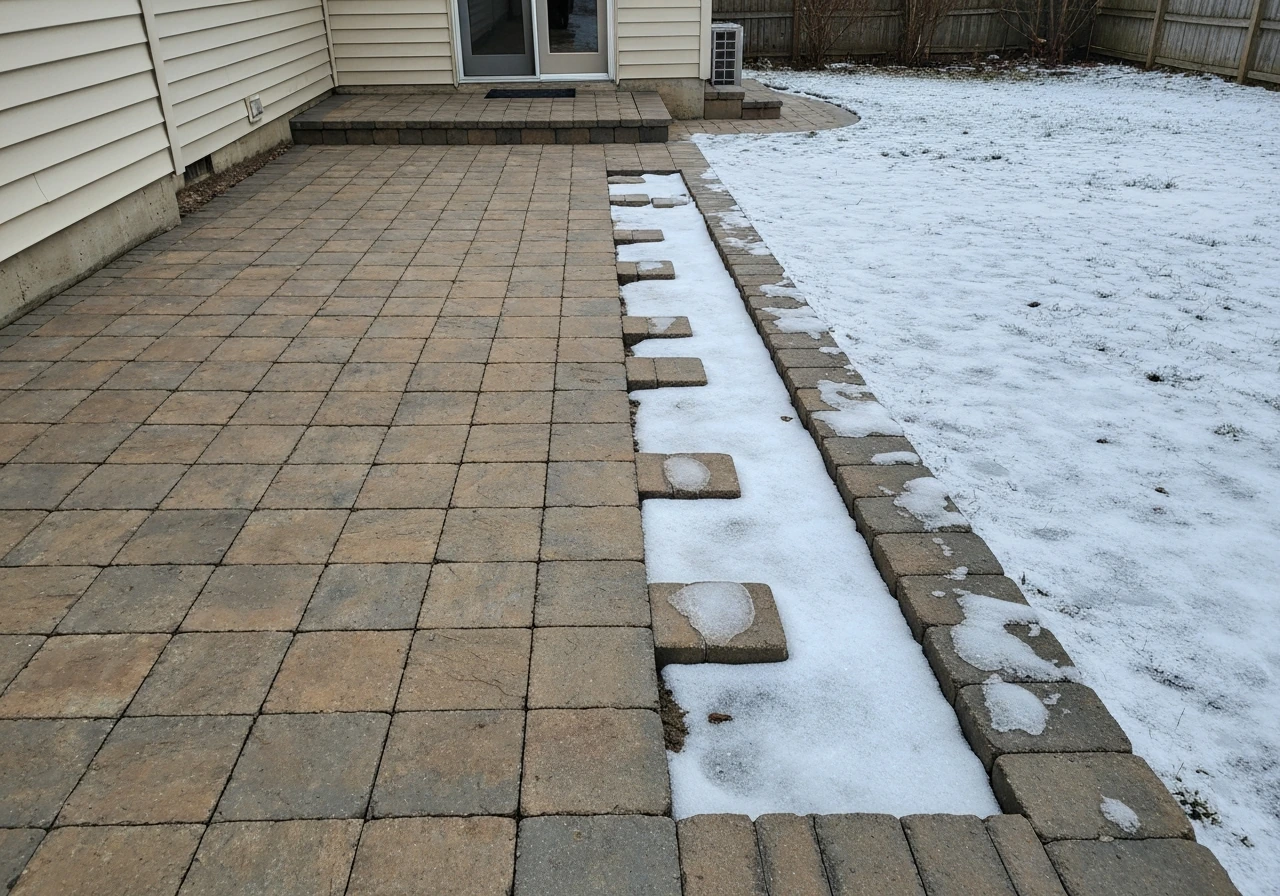
Most patio failures in cold climates trace back to one physics problem: water expands by roughly 9% when it freezes. Any water sitting in a pore, joint, or crack, or pooling under your surface, becomes a small hydraulic jack every time temperatures drop below 32°F. Do that repeatedly across a season with dozens of freeze-thaw cycles and the cumulative internal pressure causes spalling, scaling, and cracking on porous materials, while frost heave lifts and shifts the surface itself. The damage is not just cosmetic. Raised edges and cracked slabs create trip hazards, and heaved surfaces trap more water, accelerating the next round of damage.
This means cold-climate patio decisions need to prioritize four things that wouldn't rank as highly in warmer regions: low water absorption in the surface material, excellent subsurface drainage to keep water away from the base, flexibility or segmentation so individual units can move slightly without the whole surface cracking, and slip resistance because frost, ice melt, and wet stone are a dangerous combination. The material comparison below addresses each of these specifically. If you want a quick patio material comparison, focus first on freeze-thaw resistance, then match the base, slope, and drainage to your frost depth The material comparison below.
Best overall patio materials for cold weather
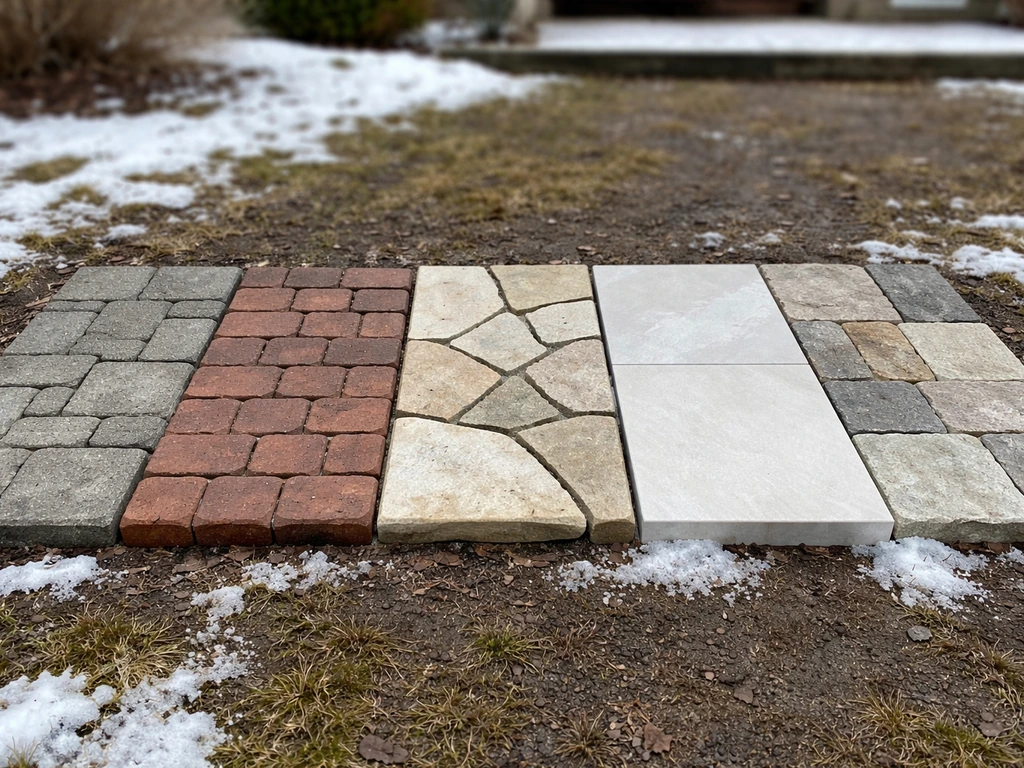
If you want a direct ranking by cold-climate performance, here's how the main options shake out. The right pick for you depends on budget, aesthetic, and how much maintenance you're willing to do each year.
- Concrete pavers (interlocking): Best combination of durability, drainage, repairability, and cost for most cold-climate homeowners. Individual units can be reset after heaving, joints stay flexible, and permeable open-graded bases make drainage management easy.
- Natural flagstone (dry-laid): Excellent freeze-thaw performance when dry-laid with good drainage beneath. Individual stones can shift and settle without cracking the surface. Best for a natural, irregular aesthetic at mid-to-high budget.
- Porcelain tile (frost-rated): Outstanding durability and almost no water absorption when you choose a product that passes ASTM C1026 freeze-thaw testing. Requires a very stable, rigid base and proper movement joints. Slippery when smooth — texture and DCOF rating matter here.
- Brick: Works well in cold climates if you specify paving-grade (SX-rated) brick, not building brick. Installed dry-laid in sand, it handles freeze-thaw movement well. Mortared brick on a slab adds risk unless the slab is reinforced and well-drained.
- Gravel (crushed stone): The most forgiving cold-climate option. No cracking, no heaving failures at the surface, drains perfectly. The trade-off is comfort, maintenance (raking, edging), and it's not ideal for furniture or high-heeled footwear.
- Composite decking: Sidesteps freeze-thaw damage almost entirely since it sits on a raised frame above grade. Cold-rated composites handle expansion and contraction well. Works best where a deck-style raised surface is appropriate rather than a ground-level patio slab.
Material by material: what cold climates actually do to each surface
Flagstone
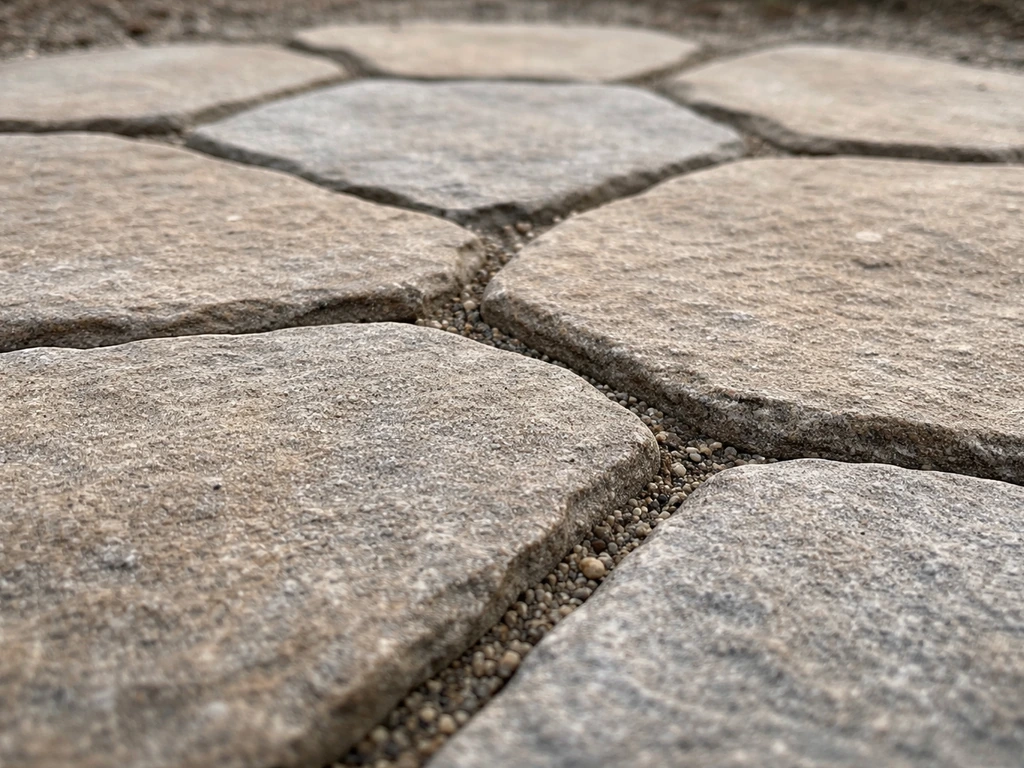
Flagstone is one of the oldest cold-climate paving solutions for a reason. When laid dry in a sand-and-gravel bed, individual stones are free to move slightly with frost heave and then settle back. The key variable is the porosity of the stone species you choose. Dense, low-absorption stones like bluestone, quartzite, and granite handle freeze-thaw cycles well. Sandstone and some limestone varieties are more porous and can absorb water, which leads to surface spalling over time in harsh climates. If you're in a climate with 40-plus freeze-thaw cycles per year, stick with dense stone and seal it annually. Installed cost typically runs $15 to $35 per square foot depending on stone type and whether you're mortaring to a slab or dry-laying in a prepared base. Dry-laying is generally the better choice for cold climates.
Brick
Not all brick is the same, and this is where cold-climate buyers get tripped up. You need SX-grade (severe weathering) paving brick, which is rated for exterior freeze-thaw exposure. Standard building brick is not rated for this and will flake apart within a few seasons. Dry-laid brick in sand performs well and is self-draining. The classic herringbone or running bond patterns allow slight individual unit movement. Mortared brick on a concrete slab is more susceptible to issues because cracking in the slab transfers directly to the brick and mortar, and water can get trapped beneath. If you want the look of mortared brick, invest in a properly reinforced and sloped concrete base with adequate drainage.
Natural stone slabs
Cut natural stone (granite, bluestone, quartzite, slate) in larger slab form performs very well in cold climates when installed with proper drainage. Granite and quartzite are particularly hard and have extremely low water absorption. Slate is durable but can delaminate over time in very wet, freeze-thaw-heavy conditions if water gets between its natural layers. Like flagstone, the installation method matters: dry-laid on a compacted aggregate base with good drainage outperforms wet-set on a concrete slab in cold climates because it allows drainage and minor movement.
Porcelain tile
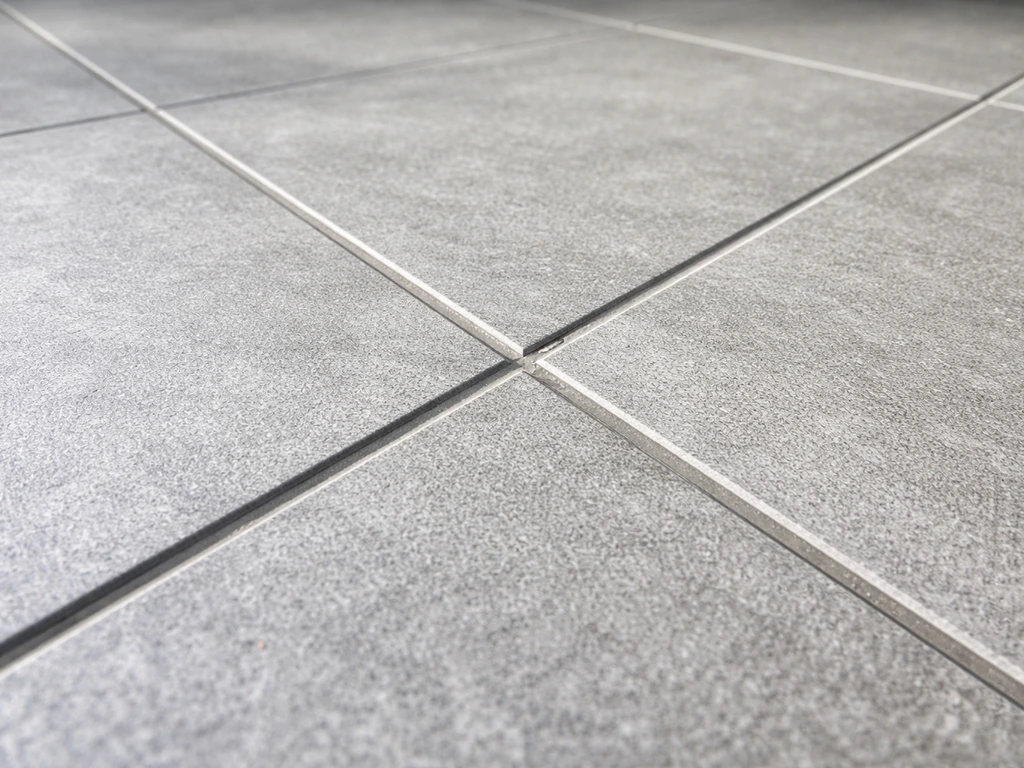
Porcelain tile has become a serious cold-climate option in recent years because modern through-body porcelain has near-zero water absorption, meaning there's almost nothing for freeze-thaw cycles to act on inside the tile itself. The critical step is specifying a product that has been tested to ASTM C1026, the standard freeze-thaw test for ceramic and glass tile. If the product spec sheet doesn't mention this test or a freeze-thaw rating, don't use it outside in a cold climate. The other critical issue is slip resistance: smooth porcelain is dangerously slick when wet or icy. Look for a wet DCOF (Dynamic Coefficient of Friction) of at least 0.42 for any surface that will get wet, and for exterior cold-climate use, a textured or non-slip surface finish is strongly recommended. Movement joints (following TCNA EJ171 guidance) are non-negotiable in cold climates to handle expansion and contraction differences between the tile and its substrate.
Gravel and crushed stone
Gravel is arguably the most freeze-thaw-resistant patio surface you can install, simply because there's nothing to crack or heave as a single rigid mass. Angular crushed stone (like ASTM #57 stone) locks together better than round pea gravel and stays in place more reliably. Material cost is very low, often $0.50 to $1.50 per square foot for the stone itself, though you still need proper edging, weed fabric, and base prep. The downsides are real: gravel migrates, needs periodic raking and topping up, and isn't comfortable for furniture or walking in soft shoes. It's excellent for large areas, informal spaces, and tight budgets.
Composite decking
Composite boards installed on a framed structure above grade largely sidestep freeze-thaw ground movement because the surface isn't in contact with the soil. Cold-rated composites are designed to handle the expansion and contraction that comes with temperature swings. The primary cold-climate concern is ice on the surface (composites can be slippery when icy) and ensuring the supporting frame is properly built and protected. This is more of a deck-style solution than a ground-level patio, but it's worth considering if your site has drainage challenges or you're replacing an existing deck structure.
Side by side: how these materials compare for cold climates
| Material | Freeze-Thaw Resistance | Slip Resistance (natural) | Repairability | Relative Cost (installed) | Best Install Method |
|---|---|---|---|---|---|
| Concrete pavers | Excellent (spec ASTM C1262) | Good (texture varies) | Excellent — reset individual units | $$ | Dry-laid, open-graded base |
| Flagstone (dense) | Excellent (dense stone) | Good (rough surface) | Good — individual stones reset | $$ to $$$ | Dry-laid on compacted gravel |
| Porcelain tile (frost-rated) | Excellent (ASTM C1026 rated) | Variable — must spec textured | Poor — hard to match/replace | $$$ to $$$$ | Wet-set on reinforced slab with movement joints |
| Brick (SX-grade) | Good (SX grade required) | Good (textured face) | Good — individual units replaced | $$ | Dry-laid in sand, or mortared on slab |
| Gravel / crushed stone | Excellent (nothing to crack) | Moderate (loose surface) | Excellent — just add more gravel | $ | Compacted base, angular stone, edging |
| Composite decking | Excellent (above-grade frame) | Moderate (icy when wet) | Good — board replacement | $$$ to $$$$ | Framed structure above grade |
Freeze-thaw performance in detail: cracking, heaving, and water management
Understanding exactly what goes wrong helps you avoid it. Water infiltrates the pore network of paving materials. When temperatures drop, that water freezes and expands by about 9%, generating internal pressure that can exceed the tensile strength of concrete, brick, or stone. Once microcracking starts, the material becomes more permeable, more water enters on the next thaw, and damage accelerates with each subsequent cycle. This is why surface porosity is such a critical spec: a material that absorbs almost no water has almost nothing to damage internally.
Below the surface, freeze-thaw cycling increases porosity in the soil itself. Repeated freezing and thawing opens up soil structure, which can cause the ground beneath your patio to shift unpredictably. This is frost heave: moisture in the soil freezes, expands, and pushes upward. Preventing water availability in the base structure is the most effective way to manage this. The FHWA's research on frost heave in pavement structures consistently points to eliminating or draining available moisture as the primary mitigation strategy. A properly constructed aggregate base that drains freely is the most important investment you can make in a cold-climate patio.
Surface drainage matters just as much. Water that ponds on or near the patio will eventually work its way down through any joint, crack, or permeable material and cause damage from below. The goal is to move water away quickly so it never has time to infiltrate before a freeze.
Installation details that cold climates demand
Base depth and material
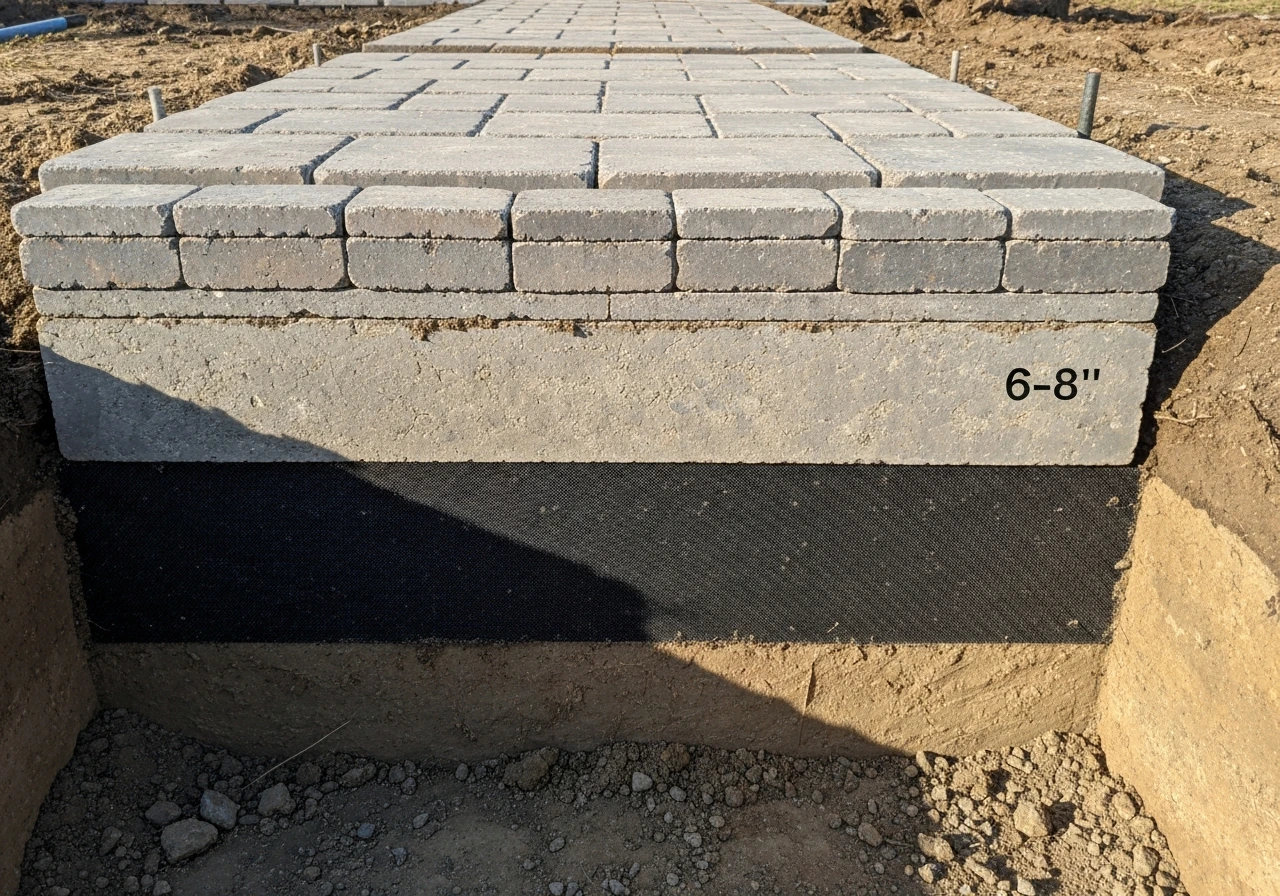
In cold climates, the base is everything. For most regions with significant frost depth, plan on a minimum of 6 to 8 inches of compacted crushed aggregate base, and in areas with deep frost penetration (USDA zones 3 to 5, or climates with frost depths exceeding 24 inches), going deeper is warranted. Use angular crushed aggregate, not round gravel, because it compacts and interlocks. For permeable systems, 3/4-inch angular clear stone (ASTM #57) is a proven choice that drains freely while providing a stable base. The open-graded base approach reduces the amount of water that can accumulate and freeze beneath your patio surface.
Slope and drainage
A minimum 2% slope (about 1/4 inch per foot) away from the house is the standard recommendation, and that applies to both the finished surface and the base beneath it. A good drainage-focused patio design also starts with selecting materials that let water move away quickly instead of pooling in joints 2% slope. This isn't just about rainwater runoff during a storm: it's about ensuring that snowmelt and water from ice melt products drain away instead of pooling and refreezing. Check your slope at the base layer, not just after you lay the surface material. A crown or compound slope that sheds water in multiple directions is better than a single planar slope on large patios.
Jointing and edge restraints
For any segmental paving system (pavers, brick, or flagstone), jointing and edge restraints are what keep the surface together over time. Edge restraints prevent lateral spreading, which is the first failure mode in freeze-thaw climates as frost heave pushes units outward incrementally. For interlocking pavers, use rigid plastic or metal edge restraints staked into the base aggregate. Geotextile fabric between the subgrade and aggregate base helps prevent soil migration into the base layer, which would compromise drainage over time.
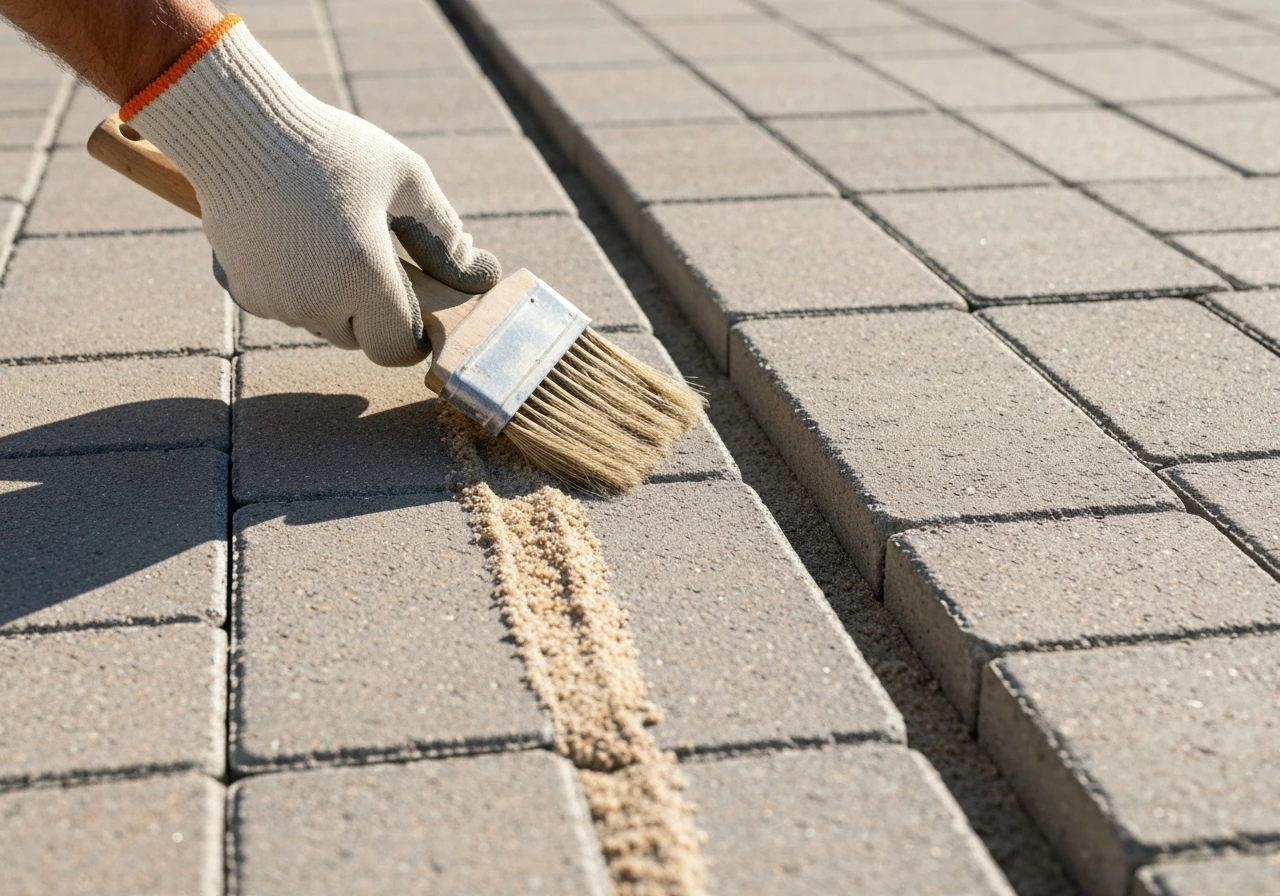
For joints in paver and brick systems, polymeric jointing sand is far more durable than plain sand in cold climates. It locks into joints and resists washout from rain and snowmelt. The installation requirements are specific: joints should be filled to about 1/8 inch below the paver surface, the sand must be applied to a dry surface (wait at least 24 hours after significant rainfall), and you should wait at least 30 days after installation before cleaning and sealing over it. Cutting corners on these steps leads to joint erosion and the loss of everything polymeric sand is supposed to provide.
For porcelain tile on a rigid base, movement joints (soft joints filled with flexible sealant rather than grout) are required per TCNA EJ171 guidance. In cold climates, thermal expansion and contraction between the tile, adhesive, and concrete substrate creates stress that grout cannot absorb. Movement joints give the assembly somewhere to breathe. Skipping them is the single most common reason cold-climate tile patios crack or delaminate.
Material thickness and porosity specs
Thicker materials generally perform better in cold climates by resisting physical damage. For flagstone, 1.5 to 2 inches minimum thickness is a reasonable target for heavily used areas. For pavers, look for products tested to ASTM C1262 freeze-thaw durability standards. For porcelain tile, specify frost-rated products tested to ASTM C1026. For brick, specify SX (severe weathering exposure) grade. These aren't just marketing terms: they represent tested performance thresholds that matter in your climate.
Maintenance, sealing, and winter care by material
Flagstone and natural stone
Dense flagstone and natural stone benefit from sealing every one to two years in cold climates. A penetrating sealer reduces water absorption, which directly reduces freeze-thaw damage risk. Apply sealer in dry conditions in fall before first frost, or in spring after the surface has fully dried out from snowmelt. Avoid film-forming sealers on surfaces that might trap moisture beneath them. Clean with a pH-neutral stone cleaner, not muriatic acid or harsh chemicals that can damage the surface. Check joints annually and re-sand or re-point as needed to prevent water infiltration.
Brick
SX-grade brick is relatively low-maintenance, but watch for joint deterioration, particularly in mortared installations. Tuck-pointing deteriorated mortar joints before winter prevents water from getting in and freezing. For dry-laid brick, check polymeric sand joints annually. Avoid applying chloride-based de-icing salts directly on brick patios: repeated salt exposure can cause surface scaling even on well-rated brick. Use sand for traction in winter, or calcium magnesium acetate (CMA) if you need a chemical ice melt.
Porcelain tile
Frost-rated porcelain tile itself needs almost no sealing (its water absorption is already near zero), but grout joints in tile patios should be sealed annually with a quality penetrating grout sealer. Inspect movement joints each spring and replace any cracked or missing flexible sealant before the next freeze season. Keep joints clear of debris that could prevent normal expansion and contraction movement. For winter, avoid metal snow shovels directly on tile: use a plastic blade or rubber-edged shovel to prevent surface scratches. Sand-based ice melt is the safest choice for traction.
Concrete pavers
Pavers benefit from sealing with a penetrating paver sealer every two to three years, which reduces water absorption and helps lock polymeric sand joints in place. The wait period matters: don't seal over new polymeric sand until at least 30 days after installation. Each spring, do a quick inspection for any units that have heaved significantly or settled unevenly. The repairability advantage of pavers is real: you can pull individual units, re-level the bedding layer, and reset them without disrupting the whole patio. Avoid chloride-based de-icers; they accelerate surface scaling even on quality concrete pavers.
Gravel
Gravel is the easiest cold-climate surface to maintain in terms of freeze-thaw damage, because there's nothing structural to crack. The seasonal maintenance is different though: rake the surface in spring to redistribute gravel that has shifted during snowmelt and plowing. Top up with fresh angular stone every few years as material migrates or settles. Keep edging intact to prevent gravel from spreading into lawn or garden areas. Weed fabric beneath the gravel helps, but note that over several years, organic debris accumulation on top of the fabric can support weed growth anyway. Pull weeds early before they establish deep roots.
Composite decking
Composite boards in cold climates mainly need the frame and fastener system inspected each spring for any movement or loosening caused by frost heave in the supporting posts or footings. The boards themselves typically just need cleaning with a composite deck cleaner to remove mold and mildew that can build up under snow cover. Check that drainage gaps between boards haven't become clogged with debris, since trapped moisture can accelerate any wood components in a hybrid system.
Winter de-icing: what's safe and what isn't
This deserves its own moment because it's a decision homeowners make every single winter. Sodium chloride (rock salt) is cheap and effective at melting ice, but it's hard on almost every patio material. It accelerates scaling in concrete and concrete pavers, can damage the surface of natural stone, and kills nearby vegetation. Calcium magnesium acetate (CMA) and potassium acetate are gentler alternatives. For traction without melting, plain coarse sand is your safest option for all materials. On tile and smooth stone, rubber-backed mats or non-slip strips in high-traffic zones are a practical addition. Whatever you use, rinse salt residue off in early spring before it works further into joints and surfaces.
Cost, sourcing, and choosing for your climate zone
Budget is a real constraint, so here's a practical breakdown. Gravel is the lowest entry point, with material costs in the range of $0.50 to $1.50 per square foot for crushed stone, plus base prep and edging. Concrete pavers and dry-laid brick typically land in the $10 to $20 per square foot installed range depending on your region and complexity. Flagstone runs $15 to $35 per square foot installed, with dry-laid on the lower end and wet-mortared on a slab on the higher end. CostHelper reports installed flagstone patio costs in broad ranges (for example, about $7 to $35+ per square foot) depending on method such as dry-laid versus wet or mortared on reinforced concrete Flagstone runs $15 to $35 per square foot installed, with dry-laid on the lower end and wet-mortared on a slab on the higher end.. Porcelain tile and composite systems are typically $20 to $40 per square foot installed when you factor in the substrate work required.
For sourcing in cold climates, buy from suppliers who understand your freeze-thaw exposure zone and can direct you to products rated for it. When specifying pavers, ask for ASTM C1262 test data. For tile, ask specifically for ASTM C1026 freeze-thaw compliance and a wet DCOF rating above 0.42 (and higher for sloped or exterior surfaces). For stone, ask about the specific stone species' absorption rate: less than 0.75% water absorption by weight is a solid threshold for cold-climate durability.
Your USDA hardiness zone and local frost depth are the two most useful numbers to know before choosing materials and base specs. Zones 3 to 5 (frost depths of 36 to 60-plus inches) demand the most rigorous base preparation and the most freeze-thaw-resistant materials. Zones 6 to 7 have meaningful freeze-thaw exposure but somewhat more forgiving conditions. Check your local building department or extension service for frost depth data specific to your area, since local soil conditions can vary significantly even within the same climate zone.
Your next steps
If you're ready to choose, here's the practical decision path. Start with your budget and how formal or casual you want the finished space. If you want low cost and maximum durability with minimal risk, go with compacted gravel or concrete pavers on an open-graded base. If you want a natural look and are comfortable with occasional re-leveling, dry-laid flagstone or natural stone is an excellent choice. If you want a sleek, contemporary finish and are willing to pay for proper substrate work, frost-rated porcelain tile delivers outstanding results. If you also want your patio to hold up around pets, choose a durable, dog-safe surface that won't splinter, become too slippery when wet, or trap odor and mess best patio material for dogs. In any case, don't cut corners on the base depth, slope, drainage, and edge restraints: those four things determine whether your patio is still level and intact in ten years. To set up a patio garden that stays healthy, choose the best soil for your conditions so water drains correctly and roots thrive best soil for patio garden. If your yard has clay soil, the “best patio material” also depends on how well it manages standing water and swelling beneath the slab best patio material for clay soil. If you're comparing materials more broadly across other priorities like drainage-specific sites, hot climates, or specific regional conditions, the approach shifts somewhat, cold-climate installation is its own discipline, and the details above are what separate a patio that lasts from one that needs rebuilding after a few harsh winters. If you're specifically shopping for New England weather, it helps to compare the cold-climate picks side by side to find the best patio material for your site best patio material for New England. If you are designing for hot weather, the best patio material for a hot climate usually prioritizes heat tolerance, UV resistance, and quick-drying surfaces hot climates.
FAQ
Can I install a “cold climate” patio directly on dirt or thin gravel to save money?
Use a bonding approach that fits the movement. For pavers, flagstone, and brick, dry-lay over a compacted, open-graded base with proper edge restraints, then fill joints with polymeric sand. For tile, use a frost-rated assembly on a rigid, well-drained substrate and include movement joints, but do not mortar tile directly onto a layer that can shift.
If I choose pavers or dry-laid flagstone, do I still need to build the base correctly in freezing weather?
Yes, but only if you also protect against water ponding and add reliable segmentation. Even when units are individually segmentable, inadequate slope, a saturated base, or missing edge restraints can still create heaving and later trip hazards.
When is the best time to seal in a cold climate, and what’s the biggest mistake homeowners make?
Avoid sealing anything that still has moisture pathways. Wait at least 30 days after installing or re-sanding polymeric joints before sealing pavers, and for stone, seal only when the surface is fully dry and temperatures allow proper cure time. If you seal over trapped water, you can increase freeze-thaw stress from below.
What de-icing products are safest for a patio in a freeze-thaw region?
Don’t rely on chloride-based rock salt. It accelerates surface scaling on concrete and pavers and can degrade stone finishes and mortar work over time. For most materials, switch to sand for traction (and for melting consider acetate-based products like CMA or potassium acetate), then rinse residue off in spring.
How do I avoid polymeric joint sand washing out the first winter?
For dry-laid paver and brick systems, brush polymeric sand into joints only when the surface is dry, after rain has fully cleared. If the base or bedding is wet, polymeric sand can clump, not lock in, and wash out later. Re-check joint fill after the first freeze-thaw season.
My exterior porcelain tile patio cracked, what should I troubleshoot first?
If tiles are cracking, first check whether movement joints were installed and maintained. The second common cause is missing or poor drainage under the tile, so water reaches the substrate and freezes. Lastly, verify the tile was tested for freeze-thaw use, and confirm the correct adhesive system was used for exterior cold conditions.
What causes gravel patios to look uneven after snowmelt, and how do I fix it correctly?
For gravel, instability usually comes from a compromised base or missing edging. Fixing “just the surface” often fails, because displaced gravel indicates the base is pumping or migrating. Restore edging, ensure angular stone below, confirm geotextile placement, then re-level and re-top up with the same size angular aggregate.
Should tile patios be grouted like indoor tile, or does it need special jointing?
In cold climates, the jointing strategy changes by product. Pavers and brick benefit from polymeric jointing sand at the correct depth, while porcelain tile needs soft movement joints per exterior guidance. Using grout in place of movement joints is a frequent source of cracking.
How should I manage snow piling and runoff so I don’t shorten the patio’s lifespan?
Plan an “ice-melt and footprints” zone. Use sand or traction mats for walkways and entrances, and keep melt chemicals off areas where runoff can pond. Also avoid stacking snow against raised edges, because repeated loading plus trapped meltwater can pry up units over time.
If my patio fails early, does it usually mean I picked the wrong material?
Most failures happen during repeated saturation and freezing, so the real variable is water availability, not the patio’s nominal thickness alone. If you see spalling on stone, scaling on concrete, or repeated settling, the base drainage or slope is likely insufficient, and the surface material alone cannot compensate.