You can buy patio bricks today at Home Depot, Lowe's, a local masonry or brick yard, or a landscape supply company. Big-box stores are the easiest starting point for small projects because inventory is on-hand and you can load up a cart and drive home. For larger jobs, a masonry yard or landscape supplier will almost always have better selection, more consistent color blending, and delivery options that make bulk orders practical. Online retailers like Amazon or specialty hardscape suppliers round out the options, though shipping weight makes them competitive only for small quantities or specialty items.
Where to Buy Patio Bricks Near Me: Quick Local Options
Nolan Ellison
6 Jun 2026
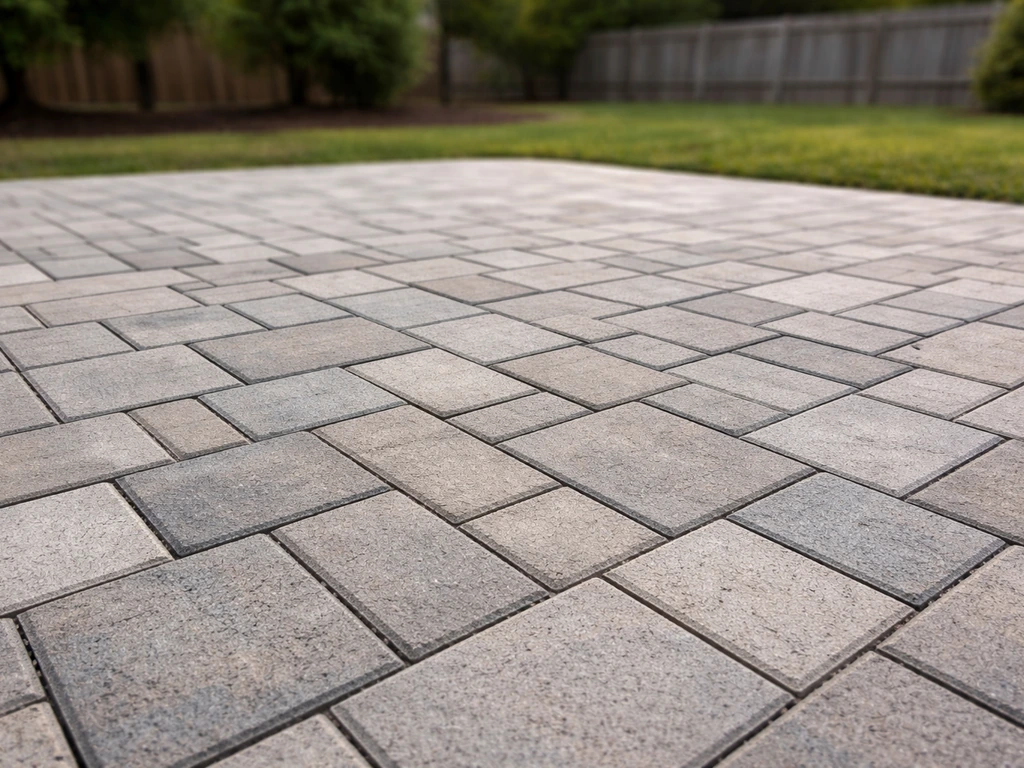
Fast local options to buy patio bricks
If you need bricks this weekend, start with Home Depot or Lowe's. Both carry concrete pavers and paving bricks in the most common sizes (12x12, 16x16, and standard 4x8 clay paving brick) and you can check stock online before you drive. Home Depot's website also has a DIY patio paver installation guide that helps you estimate how many bricks and how much base material you need before you load up. Lowe's lets you edit pickup timing and switch between in-store pickup and delivery after you've already placed an order, which is useful if your plans change mid-project.
For better selection and bulk pricing, search for a masonry yard or landscape supply company in your area. These are often the same places contractors buy from, which means the staff can actually answer technical questions. Landscape supply companies like these typically deliver within a defined radius (sometimes up to 100 miles) and some offer free delivery within 10 miles of the yard. If your order is large enough to require delivery, expect minimum-order rules: some yards require at least 2 to 3 cubic yards or a set dollar amount before they'll send a truck.
- Home Depot and Lowe's: best for same-day pickup, small quantities, and DIY-friendly product formats
- Masonry or brick yards: best for clay brick, unusual sizes, color variety, and large orders
- Landscape supply companies: best for bulk paver orders, delivery to residential addresses, and project guidance
- Online retailers: useful for specialty or decorative bricks in small quantities, but factor in freight costs
Pavers vs. face brick: buying the right thing
This is the most common sourcing mistake I see. Standard face brick (the kind used for walls and facades) is not the same as paving brick or a concrete paver, and using the wrong one on a patio floor is a problem. Face brick is made to take compression in a vertical wall, not the foot traffic and freeze-thaw stress of a horizontal patio surface. It can flake, crack, or become dangerously slippery when wet. What you want for a patio is either a concrete paver or a clay paving brick specifically rated for paving applications. If you specifically need slate for your patio, focus on outdoor stone suppliers and the hardscape section at well-stocked building stores, and ask about slate rated for exterior freeze-thaw conditions concrete paver or a clay paving brick.
Concrete pavers are the most common choice for DIYers today. They come in a wide range of colors and profiles, they're dimensionally consistent (which makes installation easier), and they're made to handle freeze-thaw cycling and ground movement. Clay paving bricks are a traditional alternative with excellent durability and color that runs all the way through the material rather than just on the surface. Both work well; clay bricks just cost more and require slightly more skill to lay evenly because tolerances vary more between units.
| Type | Best Use Case | Thickness | Durability | Cost Range |
|---|---|---|---|---|
| Concrete paver | Most residential patios, driveways | 2.375" (60mm) standard | Excellent freeze-thaw resistance with proper base | $0.50–$3.00 per unit |
| Clay paving brick | Traditional look, high-traffic areas | 2.25" typical | Very high, color doesn't fade | $1.00–$5.00 per unit |
| Standard face brick | Wall veneers only — NOT for patios | 2.25" nominal | Poor for horizontal/paving use | Lower but wrong product |
When in doubt, look for a brick or paver with an ASTM C902 or ASTM C936 designation on the product sheet. C902 covers clay paving brick and C936 covers concrete interlocking pavers. Both include minimum strength, water absorption, and durability standards for paving use. This is worth checking if you're buying from a masonry yard or online, where product labeling can be ambiguous. If you're shopping at a big-box store, products in the paver aisle are generally correct, but it's still worth flipping the bag over and confirming the product description says "paving" or "patio" use.
Thickness and sizing to know before you go
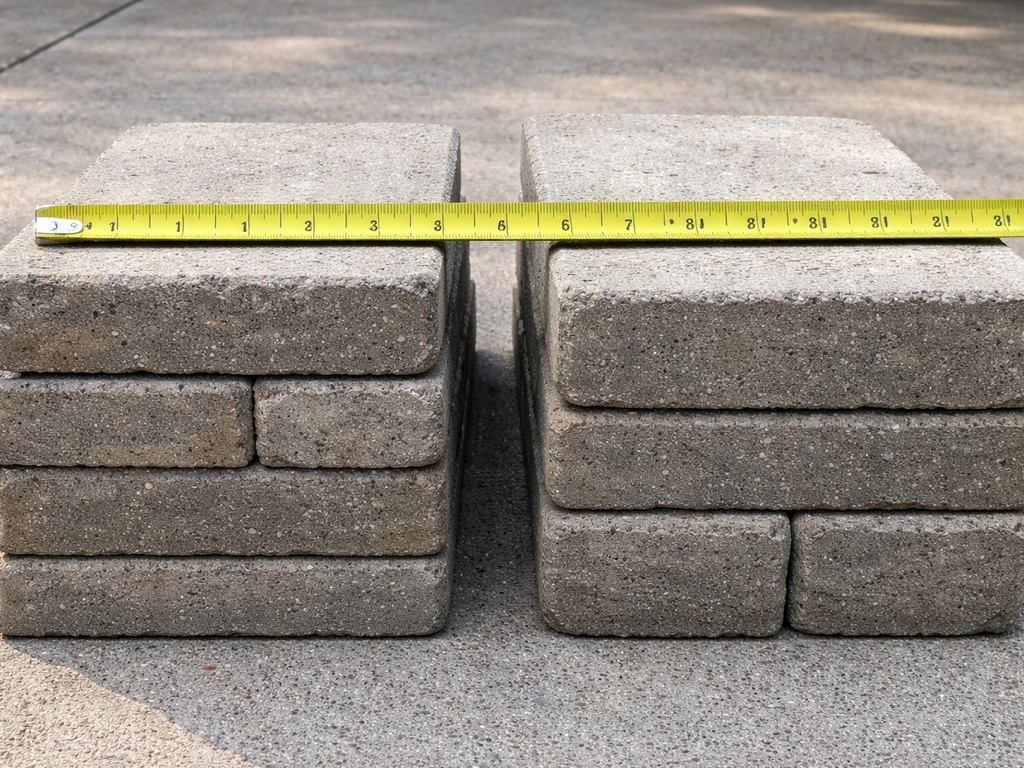
Standard concrete pavers for pedestrian patios are 60mm (about 2.375 inches) thick. Vehicular-rated pavers for driveways go up to 80mm. For a basic patio, 60mm is fine and what most stores stock. In terms of face dimensions, 4x8 inches is the classic paving brick format. Larger formats like 6x9, 12x12, or 16x16 exist and can look great, but they're heavier per unit and require a flatter, more carefully prepared base to avoid rocking. If you're mixing formats for a pattern, confirm from the same supplier that batch sizes and thicknesses match, because even small differences in thickness will show up as lips between units.
Where to source based on budget and quantity
Your budget and the scale of your project should drive where you buy. Here's a practical breakdown of which source makes the most sense in each scenario.
| Source | Best For | Price Point | Delivery? | Selection |
|---|---|---|---|---|
| Home Depot / Lowe's | Small to medium DIY projects | Mid-range retail | Available, often paid | Limited to popular SKUs |
| Masonry / brick yard | Large orders, clay brick, specialty sizes | Often lower per-unit at volume | Yes, with minimums | Broad, including commercial grades |
| Landscape supply company | Bulk pavers, contractor-grade products | Competitive, volume discounts | Yes, radius-based | Good variety of paver brands |
| Online (Amazon, specialty) | Small orders, hard-to-find products | Varies widely | Freight adds cost | Specialty items only |
For a small patio under 100 square feet, a big-box store is genuinely the simplest path. If you prefer a quick answer on where to buy patio slabs, a big-box store is a good place to start for small projects. You can buy everything you need in one trip, including base material and sand. For anything larger, get at least one quote from a local masonry yard or landscape supplier. If you’re searching for patio slabs locally, use the terms patio slabs or paver slabs when you check nearby landscape supply companies and masonry yards patio slabs near me. On a 400-square-foot patio project I helped plan a few years ago, the masonry yard came in almost 30 percent cheaper per paver than the big-box price once we hit a pallet quantity, and they delivered to the driveway on a flatbed.
If you're shopping for patio bricks and find yourself also considering other surface materials like patio stones, slabs, or patio blocks, most masonry yards and landscape supply companies carry all of these under one roof, making it easy to compare options in person before committing. If you are still comparing options, this is also a good starting point for where to buy patio stones in person.
Questions to ask before you buy
Whether you're at a store, a yard, or on a supplier's website, these are the questions that prevent expensive mistakes. Get specific answers, not vague reassurances.
- What are the exact dimensions (length, width, thickness) and what is the tolerance? Even 1/8 inch variation between batches causes visible lippage.
- How many bricks cover one square foot, and does that account for joint spacing?
- Is this product rated for freeze-thaw cycling? Ask specifically for the frost resistance rating or ASTM designation if you're in a cold climate.
- What is the water absorption rate? Lower absorption means better performance in wet and freeze-thaw conditions (ASTM C140 is the common test method for concrete products).
- What is the slip resistance rating when wet? ASTM D2047 measures static coefficient of friction — look for a value of 0.5 or higher for outdoor pedestrian surfaces.
- Are these from the same production batch or blend lot? Color variation between lots is real, especially with clay brick. Request a sample before ordering a full pallet.
- What is the return or damage policy if units arrive broken or if I over-order?
- Is there a warranty, and what does it actually cover? Some manufacturer warranties exclude labor replacement costs and consequential damages, so read the fine print.
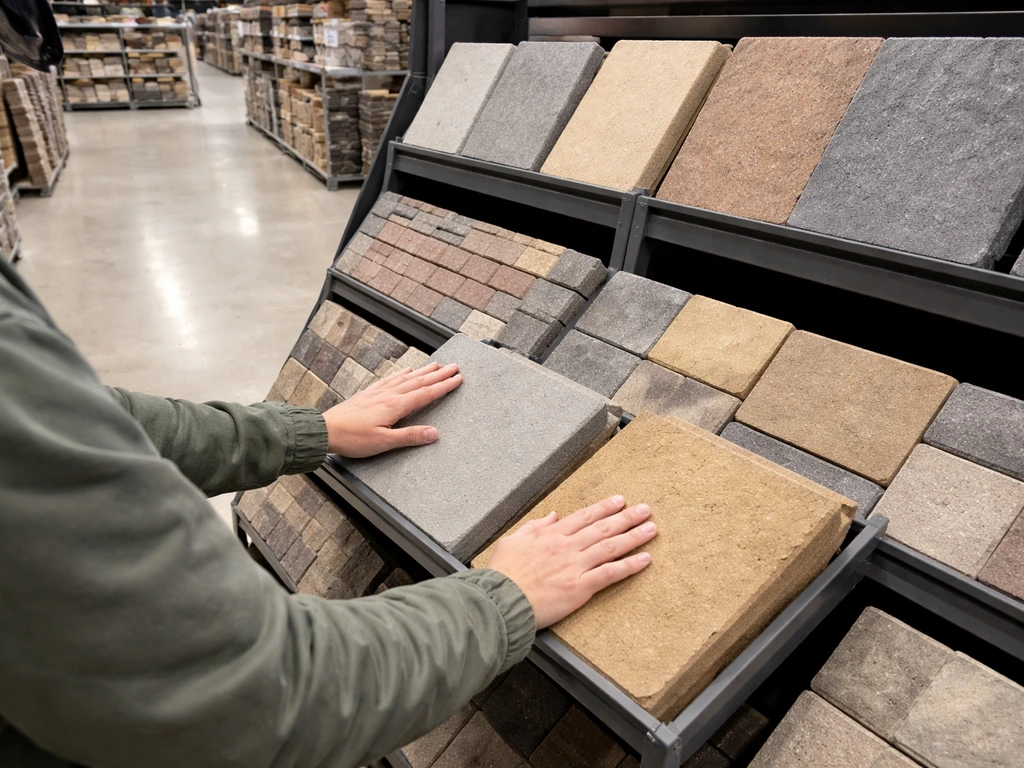
On the color-matching question specifically: masonry suppliers like brick yards often organize inventory by color family and can request physical samples to be shipped to you before a large order. Masonry and brick supply companies like Interstate Brick also encourage customers to request physical samples so you can evaluate brick color in person before a larger purchase. This is especially important if you're matching to existing brick on your home's exterior. Don't rely on a monitor screen for color decisions when you're buying pavers by the pallet.
Getting the installation right from the start
Buying the right brick is only half the job. The base preparation underneath is what determines whether your patio stays flat and drains properly over the years. A poorly prepared base will cause pavers to shift, rock, and allow weeds to grow through no matter how good the brick is.
Layer sequence for a sand-set patio
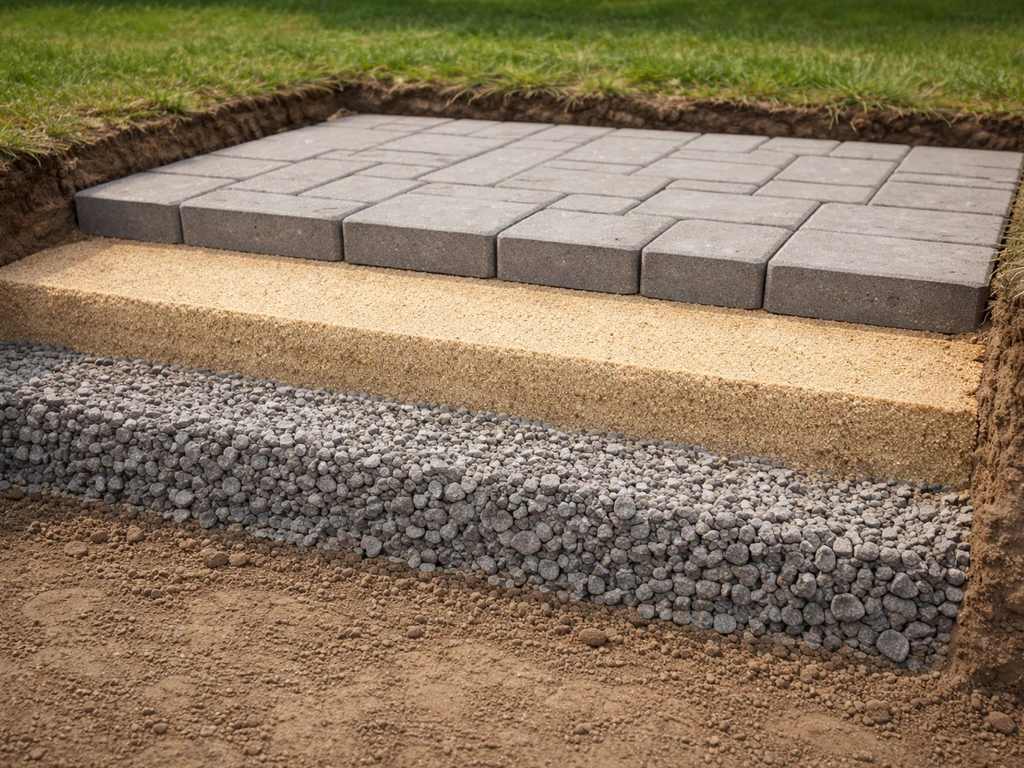
The standard system for interlocking pavers follows a proven sequence: compacted aggregate base, then a bedding sand layer, then the pavers, then jointing material. Belgard and most major paver manufacturers specify this same sequence. For a typical residential patio, you'll excavate 6 to 8 inches, lay 4 to 6 inches of compacted crushed stone or gravel, add 1 to 2 inches of bedding sand (use a coarse-washed concrete sand, not fine play sand), set the pavers, then sweep jointing sand into the joints.
For the jointing sand, polymeric sand is worth the extra cost over plain sand in most climates. QUIKRETE's polymeric jointing sand works for joints up to 2 inches wide between pavers, brick, and natural stone. For wider joints, check the manufacturer's spec because not all polymeric sands handle wide joints equally. In freeze-thaw climates, look for a polymeric sand explicitly positioned for freeze-thaw resistance; some products specify a joint width range from around 3mm up to 100mm with freeze-thaw durability built in.
Don't skip edging and drainage
Edging keeps the perimeter pavers from spreading laterally over time. Plastic or aluminum paver edging staked into the base is the most common and practical solution for DIYers. On the drainage side, the patio surface should slope away from any structure at a minimum of 1/8 inch per foot (1 percent grade) to direct water off the surface. If you're butting the patio against a house foundation, this is non-negotiable. Poor drainage is one of the top causes of heaving and base failure in paver patios.
Delivery, pickup, and return logistics
Patio bricks and pavers are heavy. A standard 60mm concrete paver weighs roughly 8 to 10 pounds per unit, and a pallet typically holds 400 to 500 units. That's 3,500 to 5,000 pounds on one pallet. If you're picking up from a big-box store, make sure your vehicle can handle the load: half-ton pickup trucks have a payload limit you can actually exceed with one full pallet. For large orders, delivery is the safer and often cheaper option per unit when you factor in multiple truck trips.
Landscape suppliers typically deliver on a flatbed to your driveway or curb. Confirm whether they can place the pallet on your driveway or only at the curb (which matters a lot if you have a long or tight approach). Also confirm the delivery radius and minimums upfront: some local landscape suppliers offer free delivery within 10 miles of their yard but require a minimum order for deliveries farther out. At Lowe's, you can modify pickup timing or switch between store pickup and delivery after your order is placed, which gives you flexibility if your project timeline shifts. Lowe's notes that order pickup can be adjusted after purchase, including editing quantity, extending the pickup window, and switching between store pickup and delivery when eligible.
On returns: policies vary significantly by retailer and even by product line. Some manufacturers publish return policies specific to individual product lines rather than blanket store policies, so don't assume the standard 90-day return applies to a special-order pallet. Inspect every pallet on delivery before signing. Photograph any broken or chipped units before the delivery driver leaves. Most suppliers will handle breakage claims if documented at delivery, but claims get harder once you've accepted and moved the materials. It's standard to order 5 to 10 percent extra to account for cuts and breakage, which also reduces the urgency of returning small quantities.
Keeping your patio looking good long-term
Once your patio is built, a little routine maintenance goes a long way. The three things most homeowners need to deal with at some point are efflorescence, weeds in the joints, and general surface cleaning.
Efflorescence
Efflorescence is the white powdery residue that appears on concrete and clay brick surfaces when soluble salts migrate to the surface and dry. It's extremely common in the first year and is not a defect. Techo-Bloc notes that efflorescence typically stops developing around 90 days after installation, though in some cases it can take 18 to 24 months depending on conditions and the manufacturing date of the product. For light efflorescence, start with a stiff nylon brush and plain water rinse. Stubborn deposits need an efflorescence cleaner (a diluted acid-based product made for masonry). After cleaning, let the surface dry completely before sealing.
Sealing
Sealing is optional for concrete pavers but recommended in climates with road salt, heavy rainfall, or if you want to enhance color. Wait at least 30 days after installing polymeric sand before applying sealer so the jointing material has fully cured. Using sealer too soon traps moisture and can cause a white haze under the sealer that's difficult to remove. Apply sealer in thin coats according to the product directions, and plan to reseal every 3 to 5 years depending on traffic and exposure.
Weeds and joint maintenance
Polymeric sand significantly reduces weed growth in joints compared to plain sand, but it's not completely weed-proof. Airborne seeds can still germinate in surface debris that collects in joints. Pull weeds early before root systems establish. If joints have eroded or softened over several years, sweep in fresh polymeric sand, lightly mist, and let it cure. This is a straightforward refresh job that extends the life of the patio substantially without having to re-lay any bricks.
FAQ
How do I make sure I’m getting the same color batch when I’m buying patio bricks near me?
Most stores can locate the exact SKU if you share the paving type, color name, and thickness, but inventory is often per warehouse, not just the local aisle. Before you drive, check “on-hand” status for the specific store, then confirm whether it is in-stock in the quantity you need (pallet, half-pallet, or small bundle). If it is not, ask if they can do an inter-store transfer or a special order for the same batch lot.
What’s the best way to color-match paving bricks to my existing exterior brick?
If the bricks are natural clay or you’re buying from a yard, ask for “sample chips” or a small sample bag and compare them in daylight, not indoor lighting. Color can shift as the material weathers, so match not only the shade but the surface finish (tumbled, smooth, textured). For mixed lots, request that all pallets come from the same production run if your patio is large or highly visible.
How can I tell if a brick labeled for patios is actually meant for foot traffic?
If you’re unsure, confirm whether the product is rated for “paving, exterior, freeze-thaw, or interlocking paver use,” not just “brick” or “face brick.” A quick check is to look for the ASTM designation on the product data sheet, and if you’re shopping locally, ask staff to point you to the spec sheet before you buy. When in doubt between options, choose concrete pavers or clay paving brick intended for horizontal outdoor surfaces.
Can I mix different paver sizes or brands on the same patio?
Yes, but only when you buy the right thickness and edge profile, and you confirm the base and bedding sand system matches the manufacturer. Many pavers are designed to lock with specific jointing material widths, so mixing can create lips or uneven height. If mixing formats is necessary, buy from one supplier and insist on matching thickness and the same jointing-sand spec for the widest gap you expect.
Should I buy small amounts at a big-box store and the rest from a local brick yard?
For many residential patios, you can choose a big-box store for smaller quantities, then use a local masonry yard for bulk reorders once you know your pattern and cut count. The decision hinge is unit price at pallet quantities, availability of the exact color, and delivery terms (curb vs driveway placement). Ask the yard what the “delivered per pallet” price becomes after minimum-order rules, so you can compare apples-to-apples.
What should I check before ordering delivery if I buy patio bricks near me?
Even if the store sells it, you might not have enough space for a pallet. Confirm the pallet dimensions and whether delivery is a flatbed to driveway, curb-only, or needs offloading. If curb placement is all that’s allowed, measure your walkway length and slope for how you will move heavy pallets, and consider delivery to a driveway if you have a tight approach.
What are the biggest return-policy traps when I buy bricks by the pallet?
To avoid surprises, ask whether you can return unopened, unused units without a restocking fee and whether returns are allowed on special-order pallets. Also confirm who covers freight for returns if breakage or damage occurs. Inspect pallets on delivery, photograph any issues immediately, and keep the paperwork, since many claims depend on documentation created before the driver leaves.
What if different pallets look noticeably different after installation?
Pavers sometimes show color variation that looks worse immediately after delivery because dust, packaging residue, or initial efflorescence is present. Wait at least long enough for jointing sand and any moisture to stabilize, then clean and assess before you judge the color. If the shade difference is severe across pallets, bring the batch/lot info to the supplier while you still have your original packaging and delivery photos.
How do I choose the correct sand for a patio base and joints?
Many dealers can sell the “right sand” but not the exact gradation. Ask for coarse-washed bedding sand and confirm it is not play sand, then confirm jointing sand type (polymeric if appropriate) and the maximum joint width it supports. If you’re in a freeze-thaw climate, ask whether the polymeric sand is specified for exterior freeze-thaw service and what joint width range it covers.
What causes pavers to rock or sink even when I used the right bricks?
A simple way to prevent rocking is to verify your paver thickness and your base compaction depth before you start laying. If you see unevenness later, the fix is usually to lift and reset, because adding sand on top without addressing the base leads to repeat failures. When shopping locally, ask the supplier whether their recommended bedding thickness and compaction depth match the paver thickness you’re buying.