For most homeowners, the fastest and most reliable place to buy patio slabs is a local landscape supply yard or masonry supplier. If you’re wondering where to buy patio slabs near you, start by checking local landscape supply yards, masonry dealers, and stone or tile specialty shops where can i buy patio slabs near me. They carry more variety than big-box stores, staff who actually know the product, and realistic quantities for a backyard project.
Where to Buy Patio Slabs: Best Places and How to Choose
Nolan Ellison
28 Jun 2026
That said, the best buying channel really depends on what kind of slabs you need, how much you're buying, and how quickly you need them. This guide walks you through exactly how to figure that out and what to check before you hand over any money. If you’re wondering where to buy patio stones near you, the channel you choose depends on the material and how quickly you need delivery.
First, figure out what kind of patio slabs you actually need
"Patio slabs" is a broad term that covers several very different products, and the right buying channel depends entirely on which one you need. Getting clear on this upfront saves you a lot of wasted trips and mismatched quotes.
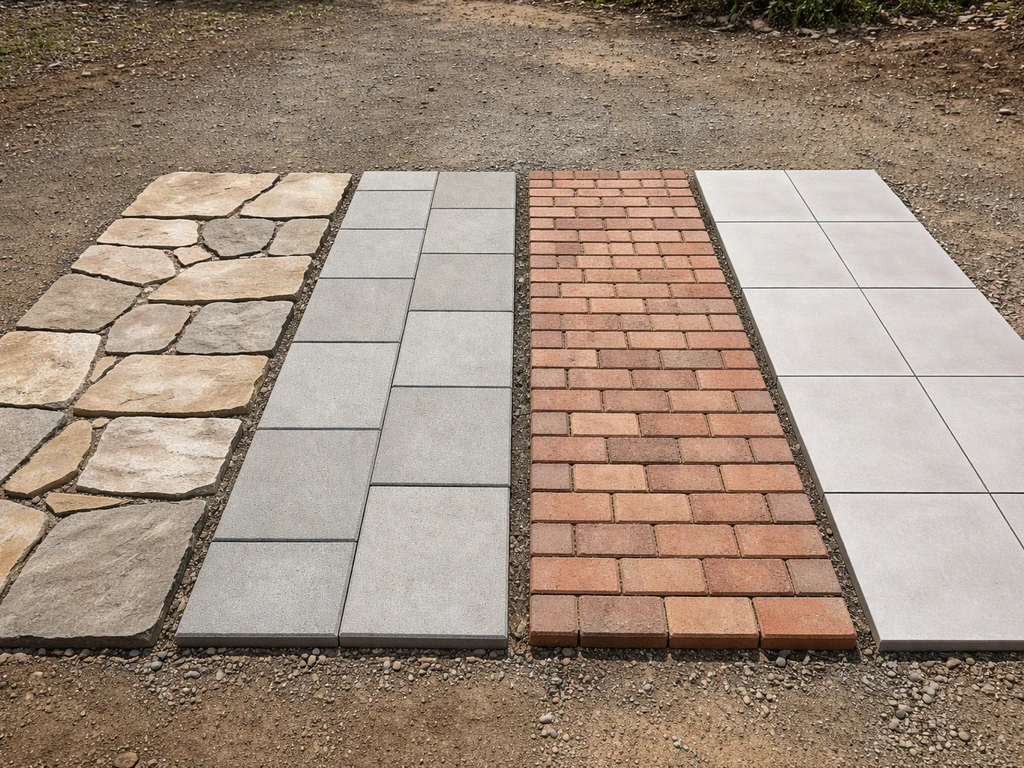
- Natural flagstone (bluestone, limestone, sandstone, slate): irregular or cut pieces, sold by the ton or square foot, primarily from stone yards and quarry dealers.
- Porcelain patio pavers/tiles: manufactured, uniform thickness, sold by the square foot, available at tile specialty suppliers and home improvement stores.
- Concrete pavers and paving slabs: manufactured concrete units that meet ASTM C936, sold at landscape supply yards, big-box stores, and masonry suppliers.
- Brick pavers: clay or concrete bricks, often available through masonry suppliers and some big-box stores.
- Composite or alternative surfacing: rubber, recycled materials, or wood-look products, mostly found online or at specialty retailers.
The reason this matters is that each material has a different supply chain. Porcelain pavers come from tile distributors and importers. Natural flagstone comes from quarries and stone yards. Concrete pavers like those from Belgard or Techo-Bloc are distributed through regional landscape and masonry dealers. If you walk into a big-box store looking for irregular bluestone, you're going to be disappointed. If you go to a stone yard looking for a specific porcelain format, they probably won't have it either.
Also think about your installation method, because it changes what thickness and format you need. Dry-laid flagstone over a compacted gravel base needs thicker, irregular pieces. Porcelain pavers going on a mortar bed over concrete need at least 3/4 inch (20mm) thickness to handle the mechanical stress of outdoor use. Interlocking concrete pavers in a sand-set system need bedding sand at least 1 inch deep and a properly compacted aggregate base beneath. ICPI/ICPO-related tech spec documents include base-related technical structure assumptions (such as minimum aggregate base thickness and bedding sand thickness) that buyers can use to cross-check installer proposals. Knowing your method before you shop prevents buying the wrong product entirely.
Where to actually buy patio slabs: a channel-by-channel breakdown
Big-box home improvement stores (Home Depot, Lowe's, Menards)
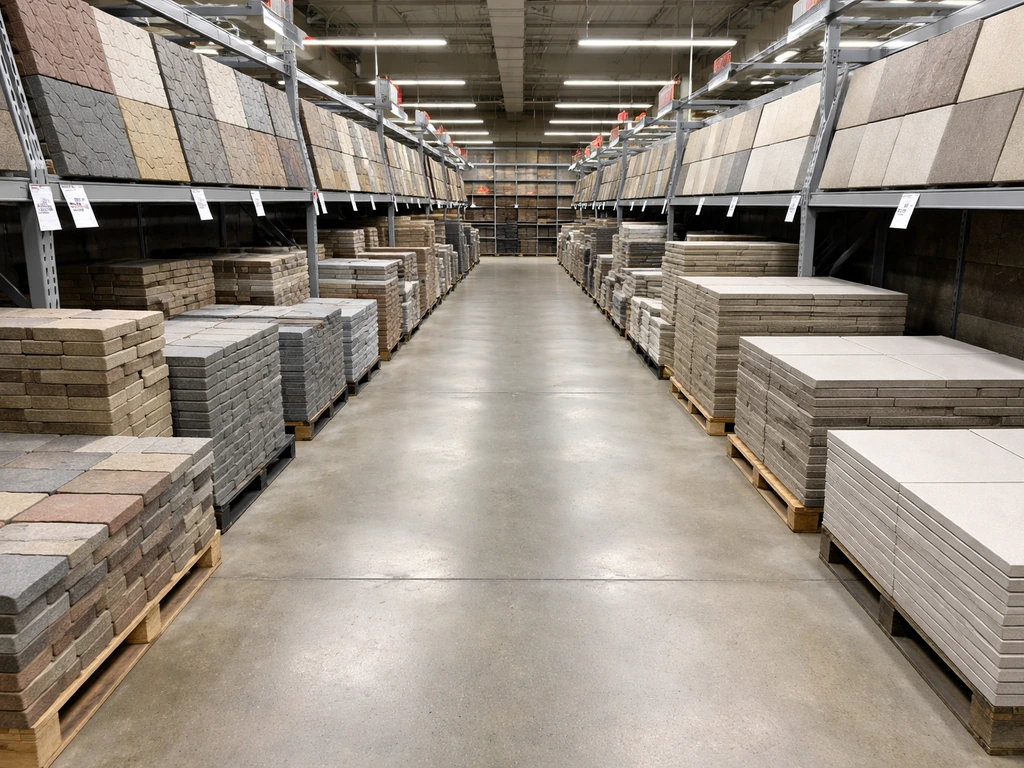
These are fine for straightforward concrete pavers, basic patio stones, and some porcelain formats in standard sizes. If you are trying to learn where to buy patio blocks specifically, the same channel logic applies: you want the right supplier for the stone or paver type and the base system you plan to use.
The main advantage is convenience: you can pick up materials same-day, return what you don't use (Lowe's allows returns within 90 days with receipt; Home Depot and Menards have similar policies), and get a rough project quote easily. The downsides are limited selection, inconsistent staff knowledge, and the fact that the product range skews toward basic residential SKUs. You won't find premium flagstone, large-format porcelain pavers, or specialty materials here.
Good for small projects or when you need a quick top-up of a standard product.
Landscape supply yards
This is where most homeowners with a real patio project should start. If you are searching for where to buy patio stones near me, start with a landscape supply yard so you can compare options and get delivery to your job site. Landscape supply yards stock concrete pavers, natural stone, gravel bases, bedding sand, and edging restraints all in one place.
Staff are usually far more knowledgeable than big-box employees, and you can often see and touch products in outdoor display areas. Pricing is frequently better per square foot for bulk orders, and many yards offer delivery with a truck that can drop material close to your work area. If you're doing a sand-set concrete paver patio or need to source base materials at the same time, a landscape yard is the most efficient single stop.
Stone dealers and quarry suppliers
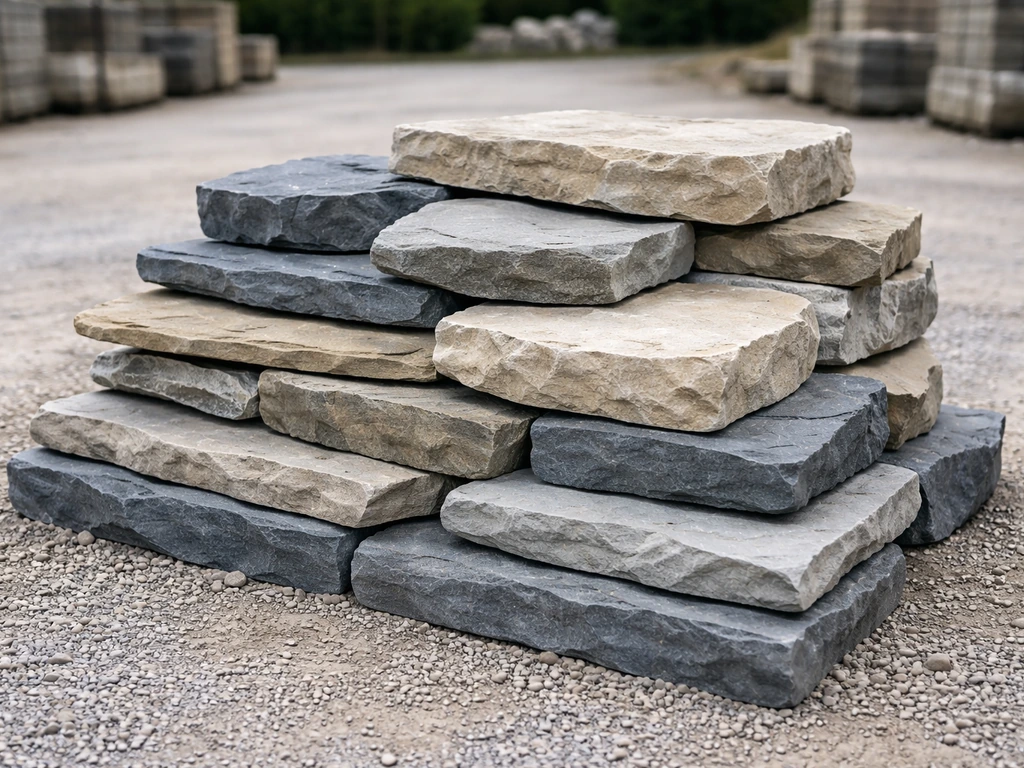
If you want natural flagstone, slate, bluestone, or limestone, a stone dealer or quarry is the right source. These suppliers deal in stone by the ton or pallet and carry a range of origin, finish, and thickness options you simply won't find elsewhere. Prices vary widely based on stone type and region, but the installed cost of flagstone typically runs $15 to $30 per square foot depending on the material and method.
Stone yards let you walk through and hand-select pieces, which matters a lot for irregular flagstone where color consistency and thickness variation affect how well the patio lays. If you're sourcing slate specifically, the range of slate products and what to look for when buying it warrants a focused look on its own.
Tile and porcelain specialty suppliers
For porcelain pavers, a tile distributor or specialty tile supplier will have the widest selection of formats, thicknesses, and finishes. Brands like MSI (whose Arterra Porcelain Pavers carry a lifetime residential warranty) and Daltile distribute through tile dealer networks. You'll find large-format options (24x24, 24x48, and larger), rectified edges, and specific surface textures designed for outdoor wet use. These suppliers can also match indoor and outdoor tile runs, which matters if you're extending flooring from inside to outside. The trade-off is that ordering online from tile retailers often means freight shipping, and return shipping costs fall on the buyer, so ordering samples first is not optional.
Online retailers and marketplaces
Online is useful for research, price comparison, and sourcing specialty or hard-to-find formats. But buying heavy patio slabs online without seeing them first is risky. Color and texture rendition on screens is notoriously unreliable, freight damage is a real issue, and returns are complicated and expensive. Use online channels to identify products, then find a local distributor. That said, for composite or alternative surface products, online is often the primary or only channel. If you're buying porcelain online, order physical samples before committing to a full order.
Direct from manufacturer or regional distributor
Companies like Belgard, Techo-Bloc, and similar concrete paver manufacturers sell through authorized regional dealers rather than direct to consumers. Techo-Bloc, for example, has showrooms and contractor programs that give you access to their full range. Going direct to the distributor network often unlocks better pricing for larger orders, contractor-grade support, and warranty-backed products that meet ASTM C936 and C1372 standards. If you're doing a larger project or working with a contractor, this route is worth exploring.
How to compare price properly (it's more than the material cost)
The sticker price per square foot for the slab itself is just the starting point. A full cost comparison needs to include several other components that can easily double your actual spend.
| Cost Component | What to Check | Why It Matters |
|---|---|---|
| Material (slabs) | Price per sq ft, minimum order, pallet quantities | Smaller orders often cost more per unit; buying full pallets saves money |
| Base materials | Aggregate depth, bedding sand, compactable gravel | A proper compacted base needs at least 4 inches of subbase; sand bedding at least 1 inch deep adds real cost |
| Delivery | Per-pallet fee, distance surcharge, liftgate requirements | Freight for porcelain or stone can be $150-$400+ depending on distance and supplier |
| Cutting and waste | 10-15% waste factor typical for irregular or cut-to-fit patterns | Always add waste allowance before buying — you can't easily re-order an exact batch match |
| Installation supplies | Thinset/mortar, jointing sand, edge restraints, sealers | Mortar-set porcelain and stone require thinset, movement joint materials per TCNA guidelines |
| Returns | Return window, restocking fees, who pays return freight | Big-box stores: 90 days with receipt; online tile: buyer often pays return freight |
One thing I've seen trip up a lot of first-time buyers: they compare the per-square-foot cost of two different slab types without accounting for the base requirements. A premium porcelain paver over a concrete slab with mortar and thinset is a different total cost than dry-laid flagstone over compacted gravel, even if the slab prices are similar. Run the full numbers before deciding.
Quality checks that actually matter for outdoor use
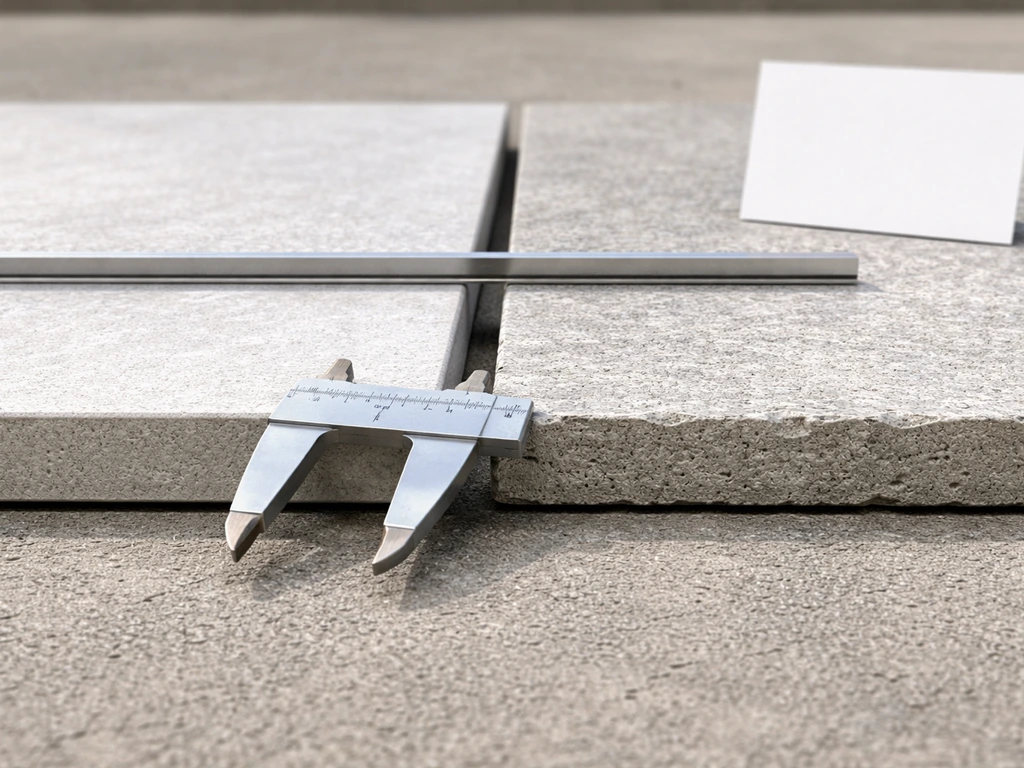
Not all slabs marketed as "outdoor" or "patio" are equal. Here are the specific things worth checking before you buy.
Freeze-thaw durability
If you live anywhere that gets below freezing, this is non-negotiable. For porcelain and ceramic products, ask for ASTM C1026 freeze-thaw test results or confirm the product is rated for exterior use in freeze-thaw climates. For concrete pavers, look for ASTM C1262 freeze-thaw compliance. Products from manufacturers like Belgard are built to meet or exceed ASTM C936 and C1372 standards. A supplier who can't tell you whether a product is freeze-thaw rated is a supplier to be careful with.
Slip resistance (DCOF)
For any surface that will get wet, check the Dynamic Coefficient of Friction (DCOF) rating. For level outdoor surfaces, you want a DCOF of at least 0.42 (measured per ANSI A326.3) as a baseline, but higher is better for patios that stay wet from rain or irrigation. Smooth polished finishes often fail this threshold outdoors. Look for textured, matte, or brushed finishes on porcelain pavers. For natural stone, a sawn or cleft finish provides better grip than a honed or polished surface.
Water absorption
High water absorption in a patio slab leads to staining, freeze-thaw damage, and faster degradation. Porcelain is inherently low-absorption (typically less than 0.5%), which is one reason it performs well outdoors. Natural stones like sandstone and some limestones are more porous and may need sealing. Ask the supplier for the water absorption rating, or look it up in the product spec sheet before buying.
Thickness and size consistency
For dry-lay or sand-set systems, thickness consistency across a batch is important for getting a flat surface. With natural stone, some variation is expected and manageable, but more than about 3/8 inch of variation within a batch makes laying harder. For porcelain pavers, rectified (machine-cut) edges give you tight, consistent joints. Check a few pieces from the actual pallet you're buying, not just the display sample. Edge chipping on rectified porcelain is also worth inspecting, chips on the face edge are often a sign of handling damage or lower-grade production.
Warranty
Concrete paver manufacturers like Techo-Bloc offer lifetime structural warranties on their paving stones. MSI's Arterra Porcelain Pavers carry a lifetime residential warranty. If a product has no warranty at all, that's a red flag for a permanent outdoor installation. When a warranty claim is needed, companies like Techo-Bloc require site inspection before replacement, so keep your purchase records and installation documentation.
Getting the right match before you order
Color and finish matching is harder than it looks on a product page. Here's how to approach it practically.
Always get physical samples
For porcelain pavers, request physical samples and look at them in your actual outdoor space, in both shade and direct sun. The same tile can look very different in a showroom versus on your patio. For natural stone, try to view actual pieces from the batch or pallet you're buying, not just a display slab, because stone color varies significantly by lot. This is especially true for flagstone and slate.
Check availability and lead times before committing
Ask the supplier directly: is this product in stock, or does it need to be ordered? Imported porcelain pavers and specialty stone can have 4 to 12 week lead times. If your contractor has a start date, work backward from there and add buffer. Also confirm the full quantity you need is available from the same production run or lot. A color mismatch between two different production batches is one of the most frustrating problems to fix mid-project, and it's entirely preventable.
Account for climate and installation method in your final choice
In freeze-thaw climates, porcelain and dense concrete pavers outperform porous natural stone without sealing. In hot, sunny climates, light-colored slabs with lower solar heat absorption keep the surface more comfortable underfoot. For wet, shaded areas, prioritize slip resistance over aesthetics. If you're in a region with significant ground movement or expansive soils, choose a dry-lay or sand-set system with movement joints rather than a fully mortared installation, which is more brittle. TCNA guidelines (Detail EJ171) specifically call for movement joints in every tile installation to handle expansion and contraction, this applies to outdoor slabs too.
Your sourcing checklist and what to do today
Use this as your action plan. Run through it before you make any calls or place any orders.
- Identify your slab type: natural stone, porcelain paver, concrete paver, brick, or composite. This determines which buying channel to use.
- Confirm your installation method: dry-lay over gravel, sand-set, or mortar/thinset over concrete. This determines thickness and format requirements.
- Measure your project area, add 10-15% for waste and cuts, and calculate total square footage needed.
- For freeze-thaw climates: shortlist only products with confirmed ASTM C1026 (porcelain/ceramic) or ASTM C1262 (concrete paver) freeze-thaw ratings.
- Check DCOF rating for any product going in a wet area. Minimum 0.42 per ANSI A326.3 outdoors.
- Request physical samples before ordering. For natural stone, view actual pieces from the batch.
- Get quotes from at least two sources (local landscape yard plus one specialty supplier or big-box comparison) with delivery cost included.
- Confirm in-stock availability and lot/batch consistency for your full quantity before committing.
- Check the return policy and understand who pays for return freight, especially for online or freight-shipped orders.
- For large projects or contractor sourcing, ask about authorized regional distributors for brands like Belgard or Techo-Bloc to access contractor pricing and warranty support.
If you're in a hurry, call your nearest landscape supply yard first. Tell them your square footage, your installation method, and your climate zone. A good yard will get you to the right product category in one conversation. If you need natural stone specifically, call a stone dealer and ask about current stock and batch availability.
If you need porcelain pavers, find a local tile distributor who carries outdoor-rated formats and start with samples. For patio stones, patio bricks, and patio blocks sourced locally, the same logic applies: local specialty suppliers beat big-box stores on selection and expertise almost every time. If you are searching for where to buy patio bricks near me, start by calling local landscape supply yards and masonry dealers For patio stones, patio bricks, and patio blocks.
The goal is to match the right product to the right channel, verify quality before ordering, and have your base and installation materials planned in parallel so there are no surprises when the slabs arrive.
FAQ
Should I buy patio slabs from a landscape supply yard, a masonry supplier, or a tile store first?
Start with the type you’re installing. If it’s concrete pavers, base materials (gravel, bedding sand, edging restraints) and related hardware are easiest to source in one delivery from a landscape supply yard. If it’s porcelain, start with a tile distributor that specifically stocks outdoor-rated formats and can provide thickness and slip-resistance details. If it’s natural stone, call a stone dealer or quarry that sells by the pallet or ton so you can confirm batch and lot availability before you commit.
How do I figure out how many patio slabs I need without underbuying?
Calculate square footage, then add waste for cutting and sorting. Irregular flagstone typically needs more waste than rectified porcelain, and damaged pieces may be higher when ordering online. A practical approach is to add 10 to 15 percent for straight runs, and 15 to 20 percent for irregular shapes or if you expect lots of cutting around edges and posts.
What should I ask before paying a deposit for special-order slabs?
Ask whether the material is coming from the same production run or lot for your full quantity, confirm the expected lead time, and request the spec sheet for outdoor ratings (freeze-thaw, water absorption, and slip resistance). Also ask how returns or replacements are handled if the finish, batch color, or thickness varies when it arrives.
Can I mix slabs from different batches if I’m short on material?
You can, but you should plan against it. Color and finish variation is common with natural stone and can also happen with porcelain and concrete depending on production changes. If you might need top-ups later, buy enough to cover the whole project from the same lot, and ask the supplier to note your batch so future purchases match.
What’s the biggest mistake people make when comparing prices for patio slabs?
Comparing only the sticker price per square foot. The total cost depends on the installation system and base build-up, for example sand-set and interlocking pavers need bedding sand and proper compaction depth, while mortar beds and exterior-rated thinset add different requirements. Ask for a quote that includes base materials and necessary installation supplies, not just the slab quantity.
Do I need to worry about freeze-thaw even if I’m only installing a patio in a mild climate?
Yes, but the level of risk varies. If you have even occasional freezing nights, confirm the product is rated for freeze-thaw conditions and ask for the relevant testing or exterior rating. If a supplier cannot confirm freeze-thaw suitability, treat it as a red flag for an outdoor, permanent installation.
How do I choose a slip-resistant surface for wet or shaded areas?
Look for a measurable slip resistance rating and avoid polished finishes outdoors. For porcelain, request the DCOF information, and prefer textured or matte surfaces designed for wet use. For natural stone, ask about the finish type (sawn or cleft often grips better than honed or polished) and whether the product requires sealing that could change traction.
Is it safe to buy heavy patio slabs online without seeing them?
It’s risky for most natural stone and color-sensitive products because screen colors and lighting can mislead you. If you buy online, order physical samples first, verify return terms in writing, and factor in return shipping costs. For anything imported or specialty, also plan for freight damage risk and inspect the pallets promptly upon arrival.
What should I check about thickness and flatness before installation?
For sand-set and dry-laid systems, batch-to-batch thickness consistency affects how flat the patio lays. Inspect multiple pieces from the specific pallet you’re buying and look for unacceptable variation. With porcelain, rectified edges generally support tighter joints, so check for chips along the edge that can result from poor handling or lower-grade production.
Do patio slabs need sealing, and how do I know?
Some do, especially higher-absorption natural stones. Ask the supplier for water absorption or sealing guidance, and confirm whether the recommended sealer is compatible with your specific stone and finish. Plan to test in a small area first because sealing can darken appearance and slightly change slip resistance.
If I’m working with expansive soils or ground movement, what should change about where to buy and what to buy?
Choose suppliers and products that support movement-joint capable installation, then ask your dealer whether their recommendation aligns with movement-joint practices for outdoor slabs. Where you buy matters because the best yards and dealers will know which paver or slab system performs best with sand-set or dry-laid assemblies and which joint approach to use to reduce cracking and heaving.