You can buy patio stones at big-box stores like Home Depot and Lowe's for quick, same-day pickup, at local landscape supply yards for the best selection and bulk pricing, at masonry and stone specialty retailers for natural and cut stone, or online through marketplaces like Amazon, Wayfair, and direct supplier sites for porcelain and composite options. The right channel depends on your material, how much you need, and how fast you need it, and that decision will also affect your per-unit price, delivery cost, and whether you can return what doesn't work.
Where to Buy Patio Stones: Best Places and How to Shop Smart
Nolan Ellison
3 May 2026
Local vs online: where to actually buy patio stones
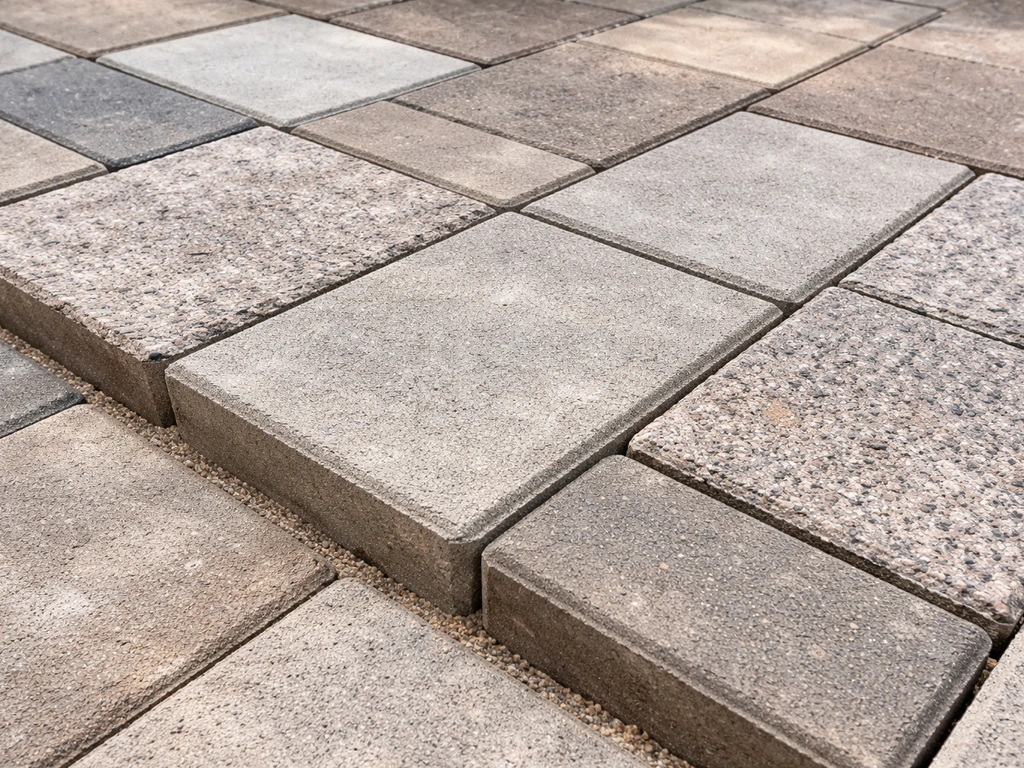
For most homeowners, local is the better starting point. Being able to see the stone in person, check the color under natural light, and feel the surface texture saves you from expensive surprises. It also means you can pick up the same day and avoid heavy freight charges.
Big-box stores (Home Depot, Lowe's)
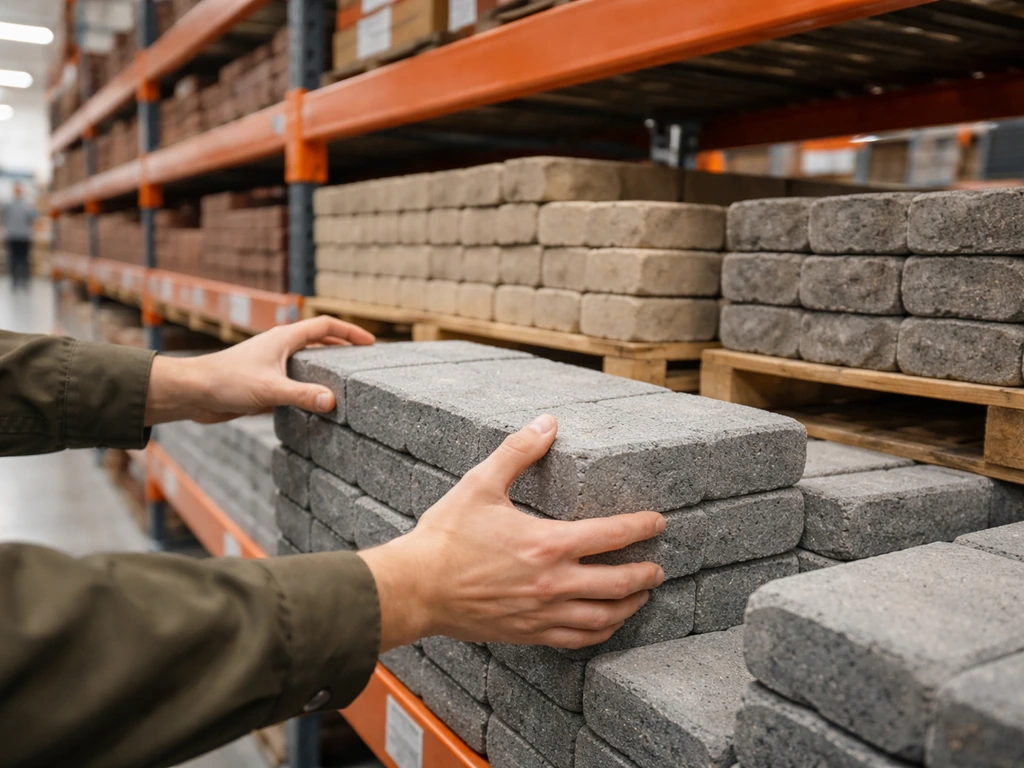
Home Depot and Lowe's are the easiest starting point if you need concrete pavers, basic stepping stones, or standard-size slabs quickly. Both stores have an 'In Stock Near Me' or 'Pick-Up Today' filter on their websites, so you can check real inventory at your local store before you drive over. Selection is decent for common sizes like 12x12 and 16x16 concrete pavers, but limited for natural flagstone, thick bluestone, or specialty formats. Pricing is usually mid-range per piece, acceptable, but rarely the best deal for large quantities.
Landscape supply yards
This is where I'd send anyone doing a project larger than a small accent path. Landscape supply yards carry a much wider range of materials, natural flagstone, irregular slate, tumbled pavers, gravel, and bulk aggregates, and they price by the square foot or by the ton, which makes bulk buying significantly cheaper. Expect to see concrete pavers priced anywhere from around $6.77 to $8.76 per square foot at a typical landscape supply yard, which is often 20 to 30 percent less than big-box retail once you factor in quantity. Most yards let you walk the lot and hand-select pieces, which is a real advantage for natural stone.
Masonry and stone specialty retailers
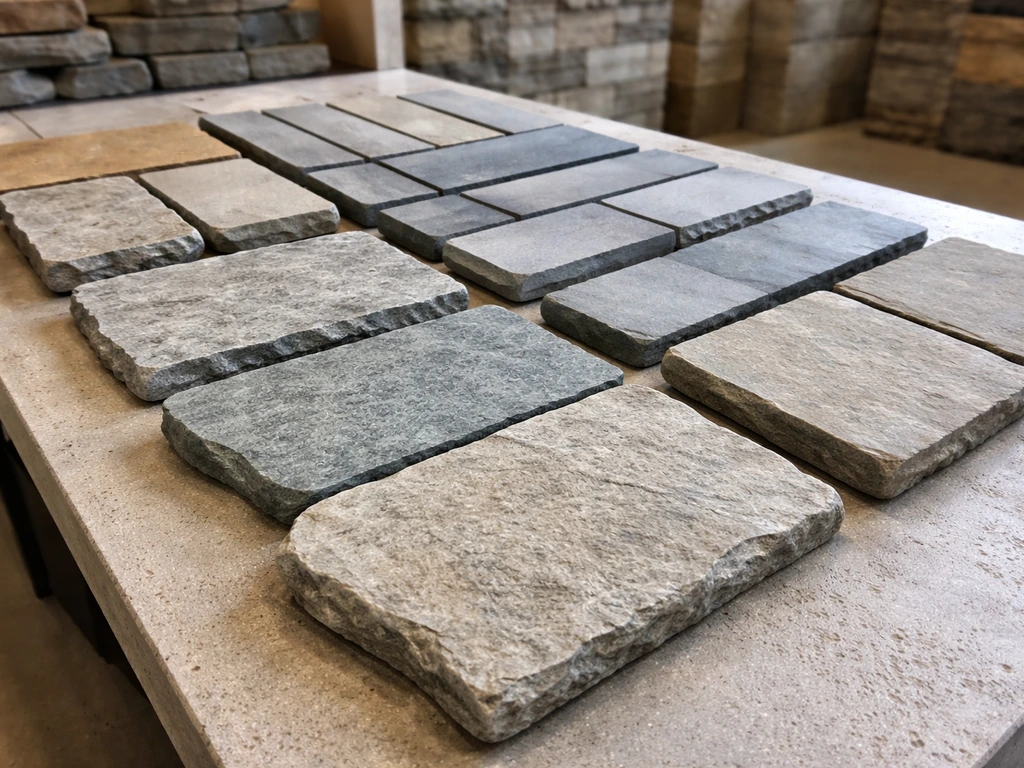
If you're working with flagstone, bluestone, quartzite, slate, travertine, or any kind of cut natural stone, a masonry or stone supplier is worth the extra drive. These retailers stock material that big-box stores simply don't carry, and the staff actually know what they're talking about. They can advise on thickness for your application (walkway vs full patio), frost ratings for your climate, and whether the stone needs sealing. They also tend to carry edge pieces, corner cuts, and matching gravel or sand that keep your project consistent.
Online marketplaces and direct suppliers
Online buying makes more sense for porcelain patio tiles, composite stepping stones, and smaller decorative pavers where exact sizing and finish consistency matter and freight cost is manageable. Sites like Wayfair, Amazon, and direct supplier websites often have better pricing on porcelain tile formats and carry colors or patterns you won't find locally. The catch: shipping heavy stone is expensive, return policies on stone are often strict or impractical, and you can't verify color accuracy from a screen. Order physical samples before committing to a full pallet, and always read the return policy before checkout.
Direct from quarry or bulk suppliers
For very large projects, think full backyard patios of 500 square feet or more, going direct to a regional quarry or bulk stone importer can cut your material cost significantly. Minimum orders are higher (often a full pallet or a ton minimum), lead times can be one to three weeks, and you'll need to arrange your own delivery or pickup with a truck. It's not practical for small jobs, but if the math works, the savings are real.
How to find the best deals without getting burned
Cheap patio stones exist. Bad cheap patio stones also exist. The difference usually comes down to thickness, density, and frost resistance, specs that are easy to overlook when you're focused on price per piece.
- Compare price per square foot, not per piece. A larger stone may look cheaper per piece but cost more per square foot covered. Pricing guides like those from paving stone supply companies list standard pavers by $/sqft, which makes comparison straightforward.
- Check end-of-season and clearance stock at landscape supply yards and big-box stores. Late summer and fall often bring 20 to 40 percent discounts on remaining inventory.
- Buy a full pallet when you can. Per-piece pricing at most suppliers drops when you buy in full pallet quantities, sometimes by 15 percent or more.
- Ask about remnant or overstock lots at stone yards. These are often first-quality material left over from large commercial jobs, sold at a discount.
- Get at least two or three quotes for natural stone. Prices vary significantly between suppliers for flagstone and other natural materials, more so than for manufactured concrete pavers.
- Factor in delivery before celebrating a low sticker price. A supplier with cheaper stone but a $200 delivery fee may end up more expensive than a slightly pricier local yard with free or low-cost delivery.
What to actually look for before you buy
This is where a lot of people skip steps and end up with stones that crack in the first winter or look completely different once installed. Run through these checks before any purchase.
Thickness
Patio stones for foot traffic should be at least 1.5 inches thick for concrete pavers and 1.5 to 2 inches for natural stone. Anything thinner is better suited for stepping stones with significant base support beneath, not a full patio surface. For a driveway or any area with vehicle traffic, you need at least 2.5 to 3 inches. Thin decorative pavers chip and crack quickly under real use.
Frost resistance
If you're anywhere with freezing winters, frost resistance is non-negotiable. Look for a low water absorption rate, ideally under 5 percent for concrete pavers, and under 3 percent for porcelain tiles. Permeable paver specifications often point to ASTM C936 characteristics and may include an example maximum water absorption value to help guide what to write in specs [low water absorption rate, ideally under 5 percent for concrete pavers](https://hub. countymaterials.
com/hubfs/downloads/09130718permeablepaverstechnical_booklet. pdf? hsLang=en). Natural stones like slate and sandstone can be porous and prone to spalling (surface flaking) if they absorb water that then freezes.
Natural stones like slate and sandstone can be porous and prone to spalling (surface flaking) if they absorb water that then freezes where to buy slate for patio. Ask your supplier specifically whether the material is rated for freeze-thaw cycles. If they can't answer that question, shop somewhere else.
Surface finish
Smooth or polished finishes look great but become slippery when wet, a real problem for an outdoor patio. Textured, tumbled, or brushed finishes are safer for most outdoor applications. Porcelain tiles should carry a slip resistance rating (look for R11 or higher for outdoor use). For natural stone, a split-face or honed finish gives better grip than a polished surface.
Size and dimensional consistency
Manufactured concrete pavers and porcelain tiles are consistent in size, which makes installation predictable. Natural stone varies, especially flagstone and irregular cuts. If you're mixing natural and manufactured materials or trying to match an existing patio, bring a sample piece to the supplier and compare directly. Also check that the batch or lot you're buying is consistent, color and texture can vary between production runs on manufactured products.
Buying tips by material type
Different patio stone materials have different sourcing realities. Where you buy and what you watch for changes significantly depending on what you've chosen.
Flagstone and natural stone
Flagstone (which covers limestone, quartzite, sandstone, bluestone, and similar cut or irregular stone) is best bought at a stone yard or masonry supplier where you can physically inspect and hand-select pieces. Natural stone is priced by the square foot or ton, and quality varies even within the same species. Look for consistent thickness, no hairline cracks, and a surface free of deep pitting that could trap water. If you're in a cold climate, ask specifically about freeze-thaw durability, bluestone and dense quartzite hold up well; soft sandstone generally doesn't. Slate patio sourcing has its own nuances that are worth researching separately if that's the route you're taking.
Concrete pavers
Concrete pavers are the most widely available option and the easiest to source locally. Big-box stores, landscape yards, and masonry suppliers all carry them. They're priced per square foot, typically in the $6 to $12 per square foot range at retail, depending on size, finish, and brand. For standard residential patios, a 60mm (roughly 2.
4 inch) paver is the most common and versatile thickness. Always buy from the same production batch to avoid color variation, and order 10 percent extra for cuts and waste. The sourcing advice here applies equally if you're also comparing patio blocks or patio bricks, which follow a similar buying process. If you specifically mean patio blocks, you’ll usually have the best selection and easiest matching at a landscape supply yard or masonry retailer.
If you’re searching for where to buy patio bricks near me, start with local landscape supply yards or big-box stores and then compare options for thickness and frost resistance.
Porcelain patio tiles
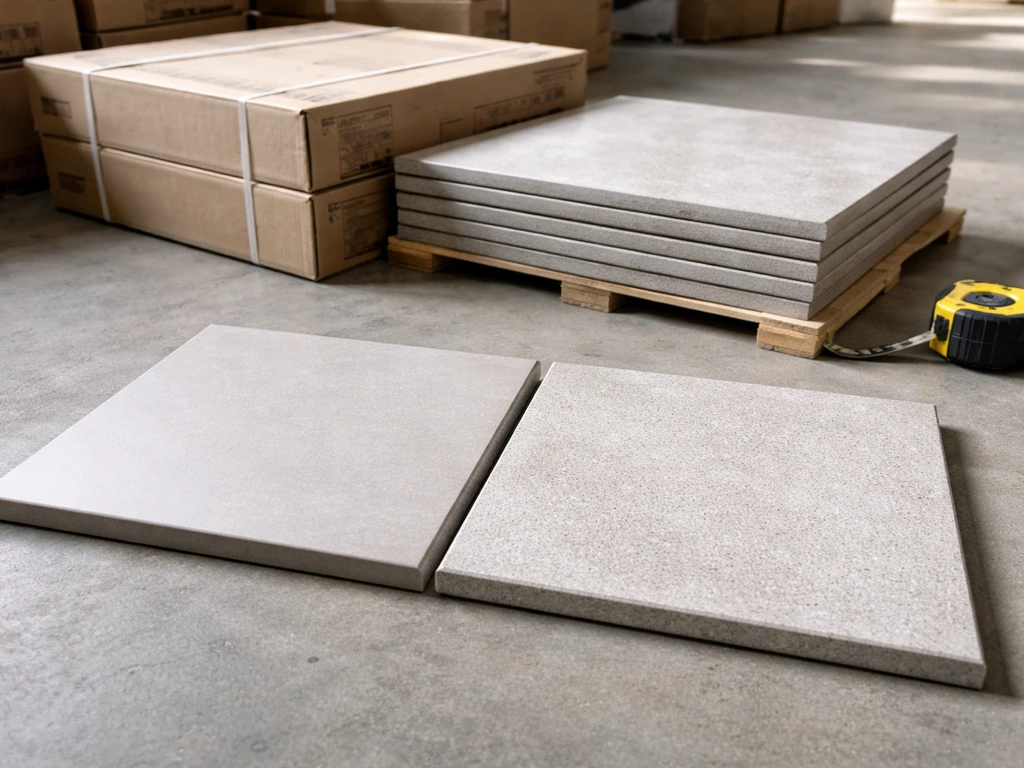
Porcelain is increasingly popular for modern patios, and online suppliers often have better selection and pricing than local stores for this material. Look for 20mm thickness specifically marketed as 'outdoor' or 'patio' porcelain, standard indoor floor tile is too thin and will crack under outdoor use and freeze-thaw stress. Confirm the R-rating for slip resistance, and check that the supplier ships on a pallet with proper crating, not loose in a box. Color-matching between orders is much easier with porcelain than natural stone because it's manufactured consistently, but still order from the same lot if you need to supplement later.
Gravel and loose aggregates
Gravel and decorative aggregate patios are almost always best bought from a landscape supply yard or bulk materials supplier. It's priced by the ton or cubic yard, and delivery is essentially built into the purchase for any significant quantity, you're not hauling cubic yards of stone yourself. Ask about compaction rates (loose gravel compacts down, so you need to buy more than your final volume) and whether the aggregate is angular or rounded. Angular gravel locks together better underfoot; smooth pebbles shift and scatter.
Composite and manufactured stepping stones
Composite patio stones, rubber, recycled materials, or resin-bound aggregates, are most commonly found online or at specialty garden retailers. They're lighter, easier to cut, and low-maintenance, but look carefully at UV stability ratings because cheaper composites fade and degrade quickly in direct sun. Check reviews specifically for outdoor longevity rather than general appearance ratings.
Delivery, pickup, quantities, and cost planning
Stone is heavy and delivery costs are real. Getting this part right before you commit to a supplier saves significant money and frustration.
Calculate your quantity first
Measure your patio area in square feet (length times width for a rectangle, or break an irregular shape into sections). Add 10 percent to your total for cuts and breakage, 15 percent if you're working with irregular natural stone or a complex pattern. Buying too little means a second order, which risks color mismatch and a second delivery fee. Most suppliers are happy to help you calculate quantity if you give them your square footage.
Pickup vs delivery
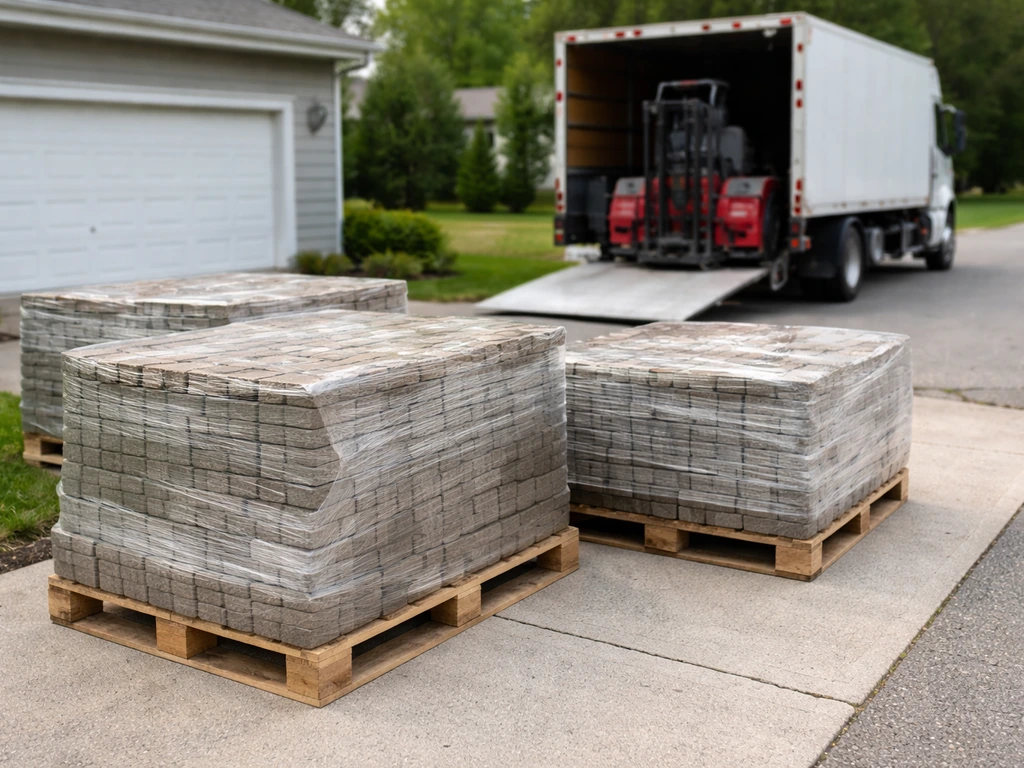
Pickup makes sense for smaller orders (under half a pallet) if you have a truck or trailer and can handle the weight safely. A full pallet of concrete pavers typically weighs 2,000 to 3,500 pounds, that's not a car-trunk haul. Delivery is worth the cost for anything over a quarter pallet, especially if your yard is accessible to a flatbed or boom truck. Ask whether the delivery fee is per-trip or per-mile, whether liftgate service is included, and whether they'll drop the pallet where you need it or just at the curb.
Lead times
Big-box stores: same day for in-stock items. The Home Depot provides an “In Stock Near Me” and “Pick-Up Today” filter for concrete pavers, so you can check store inventory before you drive over same day for in-stock items. Landscape supply yards: usually same day or next day for standard material, one to two weeks if they need to order your specific stone. Specialty or quarry-direct orders: one to four weeks is typical, sometimes longer for imported stone or custom cuts. If you have a project deadline, confirm lead time before you buy, not after.
| Buying Channel | Best For | Typical Pricing Unit | Lead Time | Delivery Available |
|---|---|---|---|---|
| Home Depot / Lowe's | Concrete pavers, standard stepping stones | Per piece or per pallet | Same day (in-stock) | Yes, or store pickup |
| Landscape supply yard | Natural stone, bulk pavers, gravel | Per sq ft or per ton | Same day to 1 week | Yes, local delivery |
| Masonry/stone specialist | Flagstone, bluestone, cut natural stone | Per sq ft or per ton | 1 to 2 weeks | Yes, often included |
| Online marketplace | Porcelain tile, composite stones | Per sq ft or per piece | 3 to 10 business days | Freight/pallet ship |
| Quarry/bulk direct | Large projects, cost-sensitive buyers | Per ton or pallet | 1 to 4 weeks | Arrange separately |
How to verify a listing and avoid getting stuck with bad stone
Whether you're buying locally or online, a few checks protect you from costly mistakes.
- Ask for the product spec sheet. Any reputable supplier can provide specs including dimensions, weight, water absorption, compressive strength, and frost resistance rating. If they can't produce one, that's a red flag.
- Check return and exchange policies before you buy. Many stone suppliers have a 'no return on natural stone' policy or charge a restocking fee of 15 to 25 percent. Know this upfront, especially for online orders.
- For online purchases, order a physical sample before placing a full order. Photos on screens are unreliable for stone color and texture. Most reputable tile and stone suppliers offer sample tiles for a few dollars.
- Verify that the price includes what you think it does. Some listings show 'per piece' pricing on a product that only comes in full pallet minimums. Others show 'per square foot' but the listed coverage per box is buried in the fine print.
- For marketplace sellers (Facebook Marketplace, Craigslist), inspect before paying. Check for cracks, spalling, uneven thickness, and whether the stone matches what was advertised. Bring a tape measure.
- For local classified deals on used or salvaged stone, make sure the quantity is actually what's listed. Count pieces or pallets yourself. What looks like 'enough for a 200 sq ft patio' often isn't.
- Check that the supplier is stocking from a consistent lot. If they have to pull from multiple pallets, color variation is likely. Ask them to pull from the same production batch.
- Confirm delivery terms in writing, especially for large orders. Know the exact delivery date, whether someone needs to be home, and what happens if stone arrives damaged.
Your buying checklist and next steps
Before you call a supplier or add anything to a cart, run through this checklist. It takes about 20 minutes and saves the headaches that come from ordering wrong.
- Measure your patio area in square feet. Sketch it out and break odd shapes into rectangles.
- Add 10 to 15 percent to your square footage for waste, cuts, and extras.
- Decide on your material: concrete paver, natural flagstone, porcelain tile, gravel, or composite. This determines which supplier type to contact first.
- Check Home Depot and Lowe's online for in-stock availability at your nearest store — good for concrete pavers and quick-start projects.
- Call or visit two local landscape supply yards for quotes on your material. Ask for price per square foot and minimum order quantity.
- If buying natural stone, ask specifically about frost resistance and water absorption rating for your climate.
- Confirm pricing unit (per piece vs per sq ft vs per ton) and convert everything to $/sq ft for an apples-to-apples comparison.
- Get the delivery fee in writing, including liftgate charges or drop-location limits.
- Ask about the return or exchange policy before finalizing your order.
- Confirm lead time and schedule delivery or pickup so it aligns with your project start date.
- Order your samples first if buying porcelain or a stone you haven't seen in person.
- Place your order and confirm the lot number or batch to ensure color consistency.
The goal isn't to find the absolute cheapest stone, it's to find the right stone at a fair price from a supplier who can deliver it reliably and stand behind it if something's wrong. That combination almost always points to a local landscape or masonry supplier for natural stone and pavers, with big-box stores as a solid backup for standard concrete formats. Online sourcing earns its place for porcelain and specialty materials where local selection falls short. Start local, get your quotes, check the specs, and you'll have a short, clear list of where to buy within an afternoon.
FAQ
Do I really need to buy from the same batch or lot, and how can I tell what batch my stones are from?
For manufactured pavers and porcelain tiles, yes, lot consistency matters because color and surface variation can show up between production runs. Ask the seller for the batch or lot number printed on the pallet labels (it is often shown on the packing slip too), then match it across all shipments. For natural stone, batch control is harder, so prioritize selecting pieces on-site and keep a few extra percent for visual matching.
How do I calculate square footage for irregular flagstone if suppliers price by square foot or ton?
Use the coverage guidance the supplier provides for the specific stone thickness and cut style, then confirm it with a rough area formula. Flagstone coverage is usually less than your simple length times width because pieces vary in shape and you will have gaps. If they price by ton, ask for yield in square feet per ton for that exact product, then add your waste factor (often 15 percent or more for random layouts).
What should I ask about freeze-thaw ratings when buying patio stones in a cold climate?
Ask whether the material is rated for freeze-thaw cycles and what the method or standard is based on (for example, water absorption criteria tied to durability). Also ask if the rating assumes a specific installation base and drainage level. If the supplier cannot answer, treat it as a red flag, especially for porous natural stones where spalling risk increases after water intrusion.
If I need slip resistance, how do I choose between tumbled, honed, and polished finishes?
Choose textured finishes for wet conditions, and verify the product includes a slip rating for outdoor use when available. Polished surfaces look uniform but can become dangerously slick when wet. For natural stone, honed or split-face typically gives better grip, but always test a sample piece for traction and note how it behaves after applying water.
Is it better to buy a smaller quantity locally first, then reorder online if I run short?
It can help you validate color and finish, but it increases the risk of mismatch if the next shipment comes from a different lot. If you do this, buy samples and keep the original lot number, then reorder using the same lot or request the same batch from the seller. If the seller cannot guarantee lot matching, order enough upfront or plan for a planned pattern change using blended stones.
What delivery details matter most for heavy palletized pavers?
Confirm whether delivery is per-trip or per-mile, whether liftgate service is included, and where they will place the pallet (curb drop-off versus to your desired location). Also ask if they can handle access constraints like narrow gates, steep driveways, or a path that needs a pallet jack. Getting these answers in writing helps avoid extra fees or failed delivery attempts.
Can I mix different patio stone materials, like porcelain tile with natural stone borders?
You can, but you must plan for different thicknesses and movement behavior. Ensure the base construction supports both materials at the same finished height, then use a transition method that prevents cracking at the joint (for example, proper edge restraint and appropriate mortar or leveling system per product instructions). Before committing, test-fit with a small section so the joint lines and height match your leveling plan.
What is the best way to avoid buying stones that look different after installation?
Color often shifts after moisture exposure and with different lighting. Check samples under natural outdoor light, not only indoors, and ask whether the stone darkens when sealed or wet. If the supplier allows it, view the exact SKU in a small installed display or ask for a recommended sealer so you can see a more accurate end result before buying a full quantity.
When are big-box stores actually a better deal than a landscape supply yard?
Big-box stores can be better when you need standard sizes quickly, you want same-day pickup, or you are doing a small patio where the price advantage of bulk yards is less meaningful. For larger quantities, landscape yards usually win on per-square-foot or per-ton pricing, but only if you can take advantage of their selection and hand-pick natural stone. Compare total cost, including delivery and return limitations, not just the sticker price.
What should I check before buying porcelain patio tiles online?
Confirm the tile is marketed as outdoor or patio porcelain and is thick enough for freeze-thaw conditions (commonly 20mm in many outdoor tile lines). Verify slip resistance (look for an outdoor slip rating, not just an indoor finish description), and ensure shipping includes proper pallet crating for heavy freight. Also read the return policy carefully, since damaged-in-transit claims and return logistics for pallets can be restrictive.