You can buy patio slabs locally at Home Depot, Lowe's, or Menards for same-day pickup, or get better selection and pricing at a local masonry supply yard, landscape stone distributor, or tile wholesaler. If you're trying to narrow it down to where to buy patio stones near you, start with local masonry yards and stone distributors for the widest selection. If you want a wider range of natural stone, flagstone, or large-format porcelain slabs than the big-box stores carry, a dedicated stone yard or hardscape supplier is almost always the better call. And if you'd rather skip the logistics entirely, many masonry and landscaping contractors will source and deliver slabs as part of an installation quote.
Where to Buy Patio Slabs Near Me: Local Options Guide
Nolan Ellison
8 Jul 2026
Best places to buy patio slabs locally
Each type of supplier has a different sweet spot. Knowing which one fits your project saves you a wasted trip or a frustrating return.
Home Depot, Lowe's, and Menards
All three carry a solid range of concrete pavers, basic flagstone, stepping stones, and stone-look porcelain pavers. Home Depot's in-store and online inventory lets you filter by size and check 'Pick Up Today' availability at your nearest location, which is genuinely useful when you need materials fast. Home Depot also publishes an official Hardscapes installation materials reference that includes a “Pavers Installation” section listing the materials and tools shoppers will commonly need blank" rel="noopener noreferrer">Home Depot's in-store and online inventory. Lowe's has a similar filter for flagstone pavers and stepping stones. Both stores typically stock common sizes like 12x12, 16x16, and 24x24 inch slabs in concrete or porcelain. The trade-off is that selection at big-box stores skews toward the most popular sizes and finishes. You're unlikely to find thick tumbled bluestone, large-format natural limestone, or premium porcelain in unusual dimensions. Return policies are reasonable here: blank" rel="noopener noreferrer">Home Depot and Lowe's both allow returns on most unused merchandise within 90 days with a receipt, and Menards follows a similar policy for unopened product. That's a real safety net if you overbuy on quantity.
Masonry and landscape supply yards
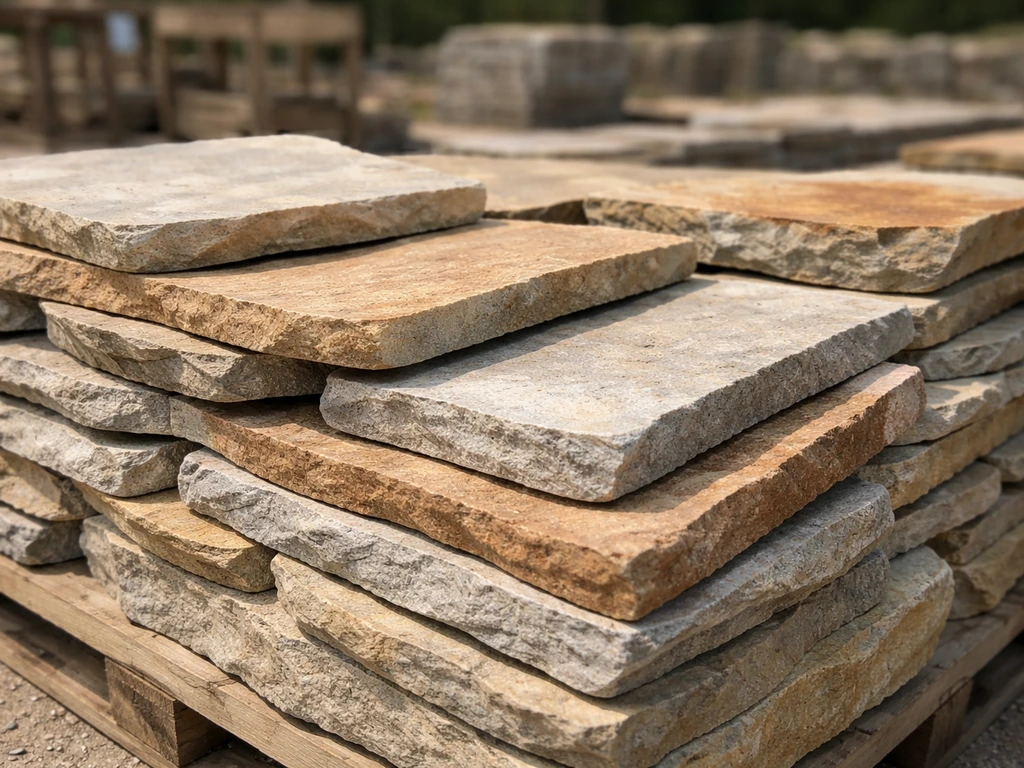
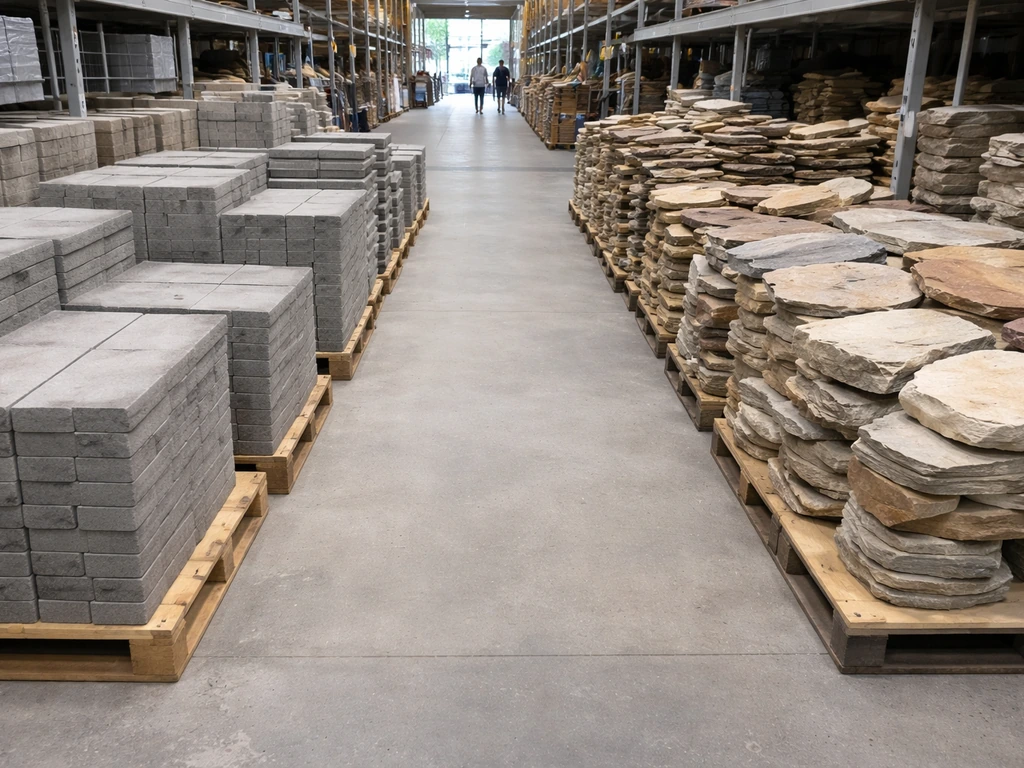
This is where serious patio builders shop. A local masonry or hardscape supply yard typically carries much more variety in natural stone, flagstone, bluestone, travertine, slate, and concrete slab formats than any big-box store. Staff at these yards usually know their products well and can advise on thickness, drainage, and installation compatibility. Pricing is often competitive, especially when you're buying a full pallet. Minimum order quantities can apply, but for a standard patio of 200 square feet or more, you'll almost certainly hit them anyway.
Stone and flagstone distributors
If your project calls for natural flagstone, slate, limestone, or sandstone, search specifically for a stone distributor or quarry supplier in your region. These businesses sell directly to homeowners as well as contractors. You'll often find better prices per square foot than buying the same material at a landscape yard, and you can sometimes visit to hand-select pieces, which matters a lot with irregular flagstone. Search terms like 'flagstone supplier near me' or 'natural stone yard near me' will surface these businesses. If you want specific guidance, check our tips on where to buy patio blocks based on your local suppliers.
Tile and porcelain suppliers
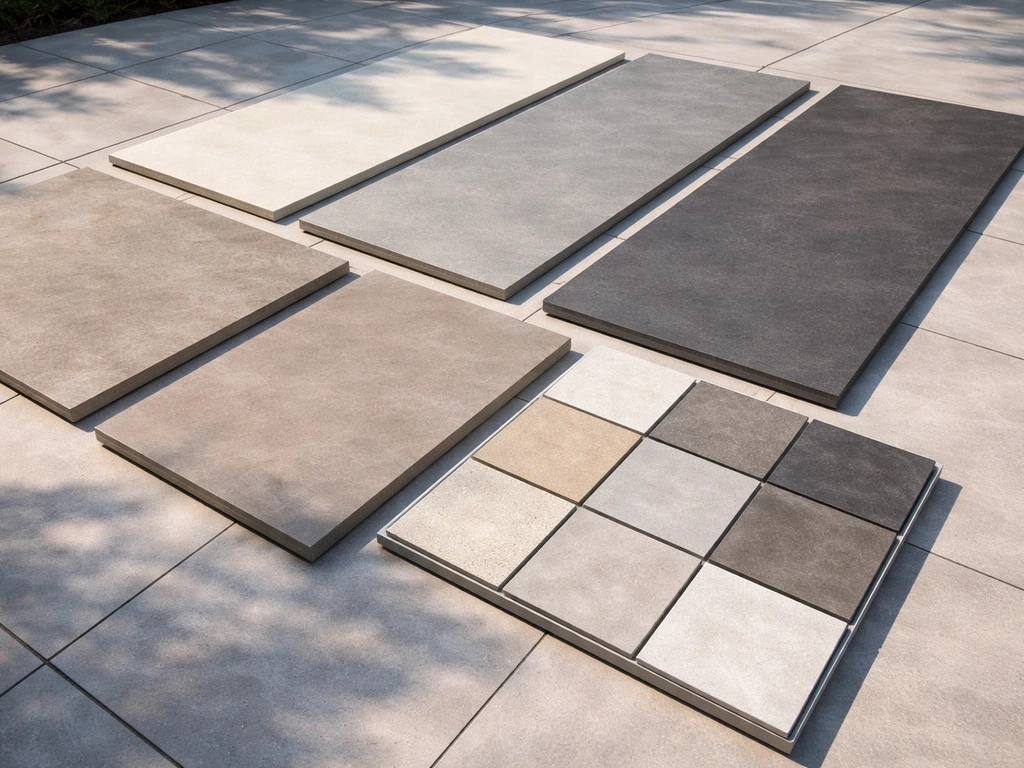
Outdoor-rated porcelain slabs are increasingly popular for patios because they're dense, frost-resistant, and low-maintenance. Tile showrooms and porcelain distributors often carry large-format outdoor pavers in 24x24, 24x48, and even 36x36 inch sizes that you simply won't find at a hardware store. Make sure any porcelain tile you buy is specifically rated for outdoor use, meaning it has a slip resistance rating (R11 or higher is a solid benchmark for outdoor applications) and a frost-resistance rating if you're in a freeze-thaw climate. An indoor-rated tile on a patio is a safety problem waiting to happen.
Contractors who supply and install
A local masonry or landscaping contractor can source slabs, deliver them, and install everything. If you're not doing a DIY project, getting a supply-and-install quote from two or three contractors is often more efficient than managing material sourcing yourself. Ask each contractor to itemize the material cost separately in their quote so you can actually compare what they're charging for the slabs versus labor.
How to search 'near me' effectively
A basic Google search for 'patio slabs near me' will surface big-box stores first. To find masonry yards, stone suppliers, and specialty distributors, you need to be more specific with your search terms. Here are the ones that actually work:
- Masonry supply near me
- Hardscape supply yard near me
- Flagstone supplier near me
- Natural stone yard near me
- Outdoor porcelain paver supplier near me
- Landscape stone distributor near me
- Bluestone supplier near me (if that's your target material)
- Slate yard near me
Once you find a supplier, confirm a few things before driving over: do they sell to the public (not just contractors), what is their minimum order quantity, and do they stock the specific material and thickness you need? It's also worth checking whether they have the slab physically in stock or if it's a special order that takes weeks to arrive.
When shopping online at Home Depot or Lowe's, use the 'Pick Up Today' or 'In Stock Near Me' filter to check actual store availability rather than relying on the general product listing. Stock for pavers and slabs varies widely by location. A product that's available at one store may be out at the next one 10 miles away.
One more tip: when you call a supplier, specifically ask whether their slabs are 'outdoor patio-rated' or confirm the intended use. This is especially important for porcelain tiles, which come in indoor and outdoor versions that look identical but have very different performance specs. Outdoor-rated slabs need to be frost-resistant, slip-resistant, and load-bearing enough for foot traffic on a compacted base.
Choosing the right patio slabs before you buy
Buying the wrong slab type is a genuinely expensive mistake. A slab that cracks in the first winter, absorbs stains, or becomes slippery when wet is going to cost you far more to fix than the money you saved going with a cheaper option. Here's what to think through before you commit.
Material options compared
| Material | Best For | Typical Thickness | Climate Suitability | Maintenance Level | Relative Cost |
|---|---|---|---|---|---|
| Concrete pavers | Budget-friendly patios, DIY projects | 2.375 in (60mm) to 3.125 in (80mm) | All climates | Low | $ |
| Flagstone (natural) | Informal, organic-look patios | 1.5 to 2 in | Most climates; porous types need sealing in freeze-thaw zones | Medium | $$–$$$ |
| Bluestone | Classic, formal patios in cooler climates | 1.5 to 2 in | Excellent in cold climates | Low to medium | $$$ |
| Travertine | Warm, Mediterranean-look patios | 1.25 to 2 in | Best in warm, dry climates; freeze-thaw can damage unfilled travertine | Medium | $$–$$$ |
| Slate | Rustic or contemporary look | 0.75 to 1.5 in | Good in mild climates; can delaminate in severe freeze-thaw | Medium | $$–$$$ |
| Outdoor porcelain | Modern, low-maintenance patios | 0.75 in (20mm) for slabs | Excellent; frost-resistant and non-porous | Very low | $$$–$$$$ |
| Brick | Traditional, durable, warm-toned patios | 2.25 to 2.5 in | Excellent in all climates | Low | $$ |
Thickness matters more than most people expect
For foot-traffic patios on a compacted gravel and sand base, you generally want at least 1.5 inches for natural stone and 60mm (about 2.375 inches) for concrete pavers. Thinner slabs can work on a full mortar or concrete base, but on a sand-set system, too-thin slabs crack under point loads. Large-format porcelain outdoor slabs are typically 20mm thick and are engineered for that purpose, which is why you can't swap in standard 10mm indoor tiles outdoors on a sand base.
Slip resistance and finish
A polished or honed finish looks great in a showroom but can be dangerously slippery outdoors, especially when wet. For porcelain, look for an R11 or R12 slip resistance rating for open patios. Natural stone with a cleft or brushed finish is generally safer than anything polished. Concrete pavers with a textured surface are usually fine as-is. If you're in a region that gets rain or frost, this isn't a cosmetic decision, it's a safety one.
Climate suitability
If you're in a freeze-thaw climate, any porous stone needs to be rated or sealed for that environment. Water that gets into a porous stone and freezes expands, and over several cycles it physically breaks the stone apart from the inside. Dense, low-absorption materials like bluestone, outdoor porcelain, and good-quality concrete pavers perform well in cold climates. Travertine with unfilled holes and some sandstones are poor choices for zones that regularly dip below freezing.
Delivery, pickup, and cost factors when buying near you
Patio slabs are heavy. A single pallet of concrete pavers can weigh 2,000 to 3,000 pounds. That weight drives almost every logistical decision you'll make.
Pickup vs. delivery
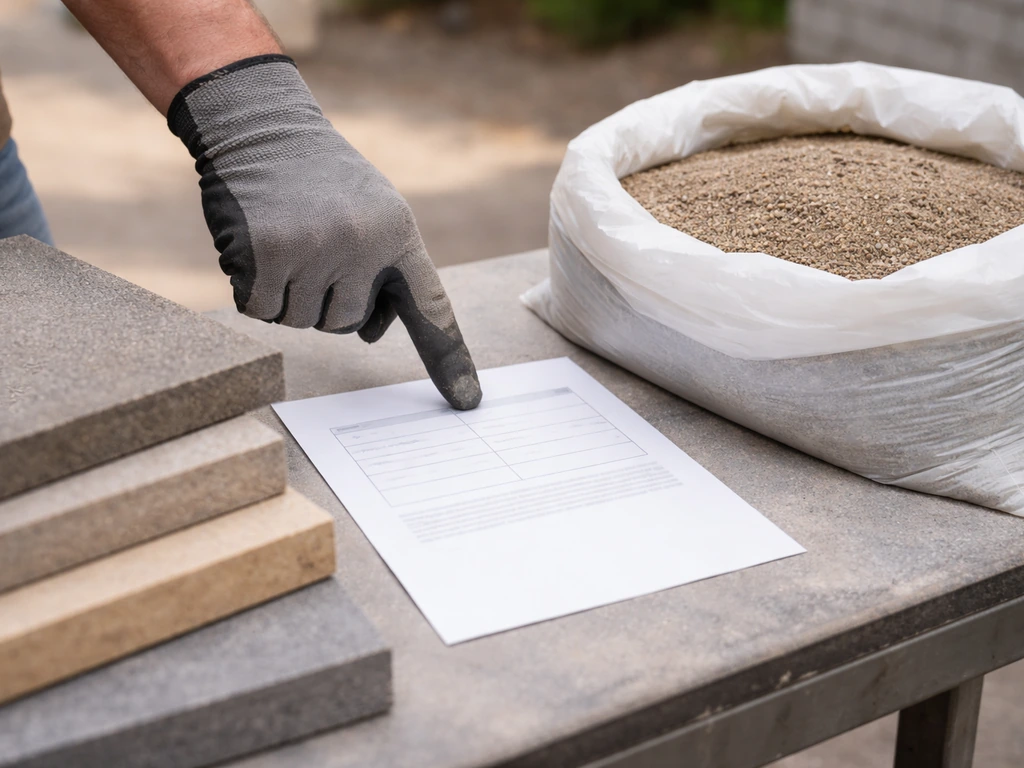
Pickup works well for small quantities from big-box stores, but you'll need a truck or trailer rated for the load. A standard SUV or minivan is not going to safely carry more than 4 to 6 square feet of thick natural stone. For anything more than a small accent project, delivery almost always makes more practical sense. Ask the supplier whether delivery includes a lift gate or tailgate service, and whether the driver will place pallets in your driveway or just drop them at the curb. Liftgate delivery to your driveway edge is usually worth the extra fee.
Estimating how many slabs you need
Measure your patio area in square feet, then add 10 percent for cuts and breakage. For irregular flagstone, go up to 15 percent overage. Natural stone pieces vary in size and coverage, so always confirm with the supplier how many square feet per ton or per pallet their specific material covers. Concrete pavers are more predictable and are usually sold by the piece or pallet with a clear coverage spec.
Minimum orders, freight, and hidden costs
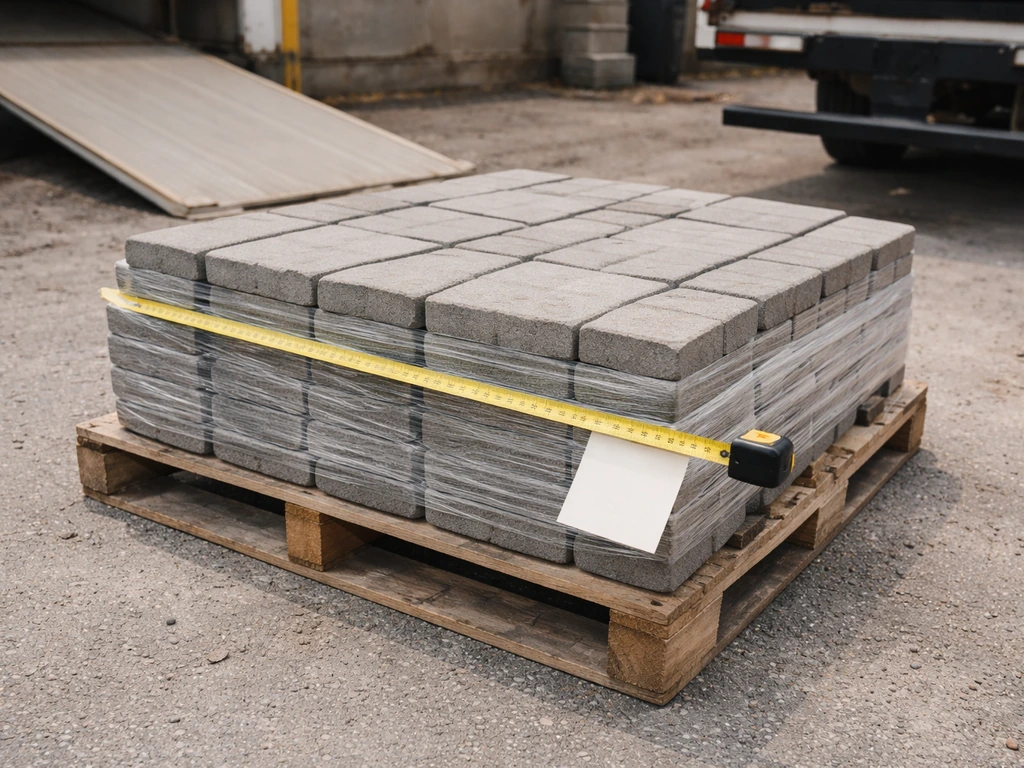
Masonry supply yards often have minimum delivery quantities, typically one pallet. Big-box stores may charge a separate delivery fee that's not shown in the product price. For heavy stone from specialty distributors, freight can add $100 to $300 or more depending on distance and material weight, so always get the delivered cost, not just the unit price, when comparing suppliers. Ask about re-stocking or return fees too. Home Depot and Lowe's allow returns within 90 days on unused merchandise with receipt, which is useful if you overbuy. Specialty stone yards often have stricter no-return policies on cut or special-order material.
Installation readiness and what to ask at purchase
A good supplier or contractor can help you avoid some common installation mistakes before you even start digging. These are the questions worth asking before you finalize your purchase.
- What base system is recommended for this slab? (Sand-set, mortar-set, or full concrete slab are all different prep requirements.)
- What's the minimum base depth for my climate? (Freeze-thaw areas typically need 6 to 8 inches of compacted gravel base beneath the bedding layer.)
- Do these slabs require a specific joint width or joint filler? (Some large-format porcelain slabs need pedestal systems or specific grout.)
- Is this material suitable for outdoor drainage requirements? (Slabs should be set with a 1/8 to 1/4 inch per foot slope away from the house.)
- Does the supplier offer an installer referral or warranty on materials when professionally installed?
- What tools are needed to cut this material? (Natural stone may require a diamond blade wet saw; porcelain slabs often need a specific porcelain-rated blade.)
If you're hiring a contractor to install, ask specifically whether their quote includes a warranty on workmanship separate from any manufacturer warranty on the slab material itself. A one-year workmanship warranty is a reasonable baseline to expect from a professional installer. Also confirm whether the contractor is sourcing the slabs through their trade account (which can mean better pricing) or expecting you to supply materials yourself.
One thing I've seen trip up DIYers repeatedly: buying slabs before finalizing the base plan. If you order thick natural stone expecting a sand-set installation and then decide to mortar-set it, the slab depth requirements change and can affect your finished height relative to doors, grass lines, and drainage points. Lock in your base method first, then buy your slabs.
Maintenance and longevity after installation by material
How long your patio lasts has almost as much to do with what you do after installation as with what you bought. Here's the realistic aftercare picture for each main material type.
Concrete pavers
Concrete pavers are low-maintenance but not zero-maintenance. Reapply polymeric sand to joints every 3 to 5 years as it breaks down. Seal the surface every 2 to 3 years with a penetrating sealer if you want to prevent staining and slow color fade. Individual cracked or sunken pavers can be replaced without disturbing the whole patio, which is one of the biggest practical advantages of the sand-set system. Expect 20 to 30 years of good performance with normal care.
Natural flagstone and bluestone
Seal natural stone annually or every two years with a penetrating stone sealer. This is especially important in freeze-thaw climates and for lighter-colored stones that show stains easily. Bluestone is dense and durable, but even it benefits from sealing to prevent efflorescence and moisture penetration over time. Clean with a pH-neutral stone cleaner rather than anything acidic. Acid-based cleaners (including vinegar) will etch the surface. Well-maintained flagstone and bluestone patios last 30 to 50 years or more.
Outdoor porcelain slabs
Outdoor porcelain is the easiest material to maintain long-term. It's non-porous, so it doesn't absorb stains or moisture and doesn't need sealing. Clean it with a mop, hose, or pressure washer. The main maintenance task is keeping joints clear of debris and re-grouting if grout cracks develop. The material itself essentially doesn't wear out under normal patio use. Expect 25 to 40-plus years from quality outdoor porcelain.
Travertine and limestone
Both are calcium-based stones that are vulnerable to acid etching and moisture absorption. Seal them every one to two years with a penetrating impregnating sealer. Avoid any cleaners with acidic ingredients. In humid climates, travertine can develop biological growth in the surface holes if left unfilled. Filling the holes with matching grout at installation and keeping the surface sealed minimizes this. In a warm, dry climate with good maintenance, travertine lasts for decades. In a harsh freeze-thaw zone, expect more repairs over time.
Brick and slate
Brick is one of the most durable patio materials available. It rarely needs sealing unless you specifically want stain protection, and individual bricks can be replaced easily. Repoint mortar joints every 10 to 15 years in mortar-set applications. Slate requires a bit more attention: seal it every one to two years and inspect for delamination, particularly in climates with hard freezes. Thin slate in a very cold climate is the one scenario where material choice really can shorten the lifespan significantly, so make sure you're buying a slate thickness appropriate for your region. If you are specifically shopping for slate, use this guide for where to buy slate for patio.
If you're also comparing different formats like patio stones, bricks, or blocks, the sourcing approach is similar across all of them. The same masonry yards, stone distributors, and big-box store categories that carry slabs also carry those products, so once you know where your best local suppliers are, you can use the same sources for any hardscape material you need. To find where to buy patio bricks near you, use the same local masonry yards and stone distributors mentioned for other hardscape materials.
FAQ
When I search where can i buy patio slabs near me, how do I know the slabs are truly outdoor-rated?
Ask for the exact “outdoor” or “freeze-thaw rated” spec for your climate, including slip resistance and expected water absorption. If they only list thickness and color, request the product data sheet, because indoor-rated porcelain can look identical but fail after a few wet winters.
What should I ask about coverage and overage when buying patio slabs locally?
Confirm whether they sell by coverage for your exact material (square feet per ton or per pallet) and whether they include overage guidance for irregular flagstone. For sand-set systems, the wrong thickness or coverage can leave you short mid-project.
Can I use the same patio slabs on both a sand-set base and a mortar-set base?
Before buying, ask whether your chosen slabs are compatible with your base type (sand-set vs mortar-set) and whether they require a specific base thickness and spacing for expansion joints. If you already have a base plan, bring those notes and confirm “install method match” with the seller or contractor.
How do I handle HOA or permitting requirements when choosing where to buy patio slabs near me?
If your area has strict HOA rules or historic design requirements, call ahead and ask whether they carry approved finishes and colors. Also ask if they can provide documentation of material ratings (especially for outdoor porcelain) that you can show to the HOA.
What delivery details matter most when buying heavy patio slabs from a masonry supplier?
If you need delivery, ask whether freight includes pallet placement and whether it’s curb-only or driveway edge with liftgate. Also confirm whether the driver can handle steep driveways or narrow gates, because many companies refuse placement in tight areas even if the site looks accessible.
Are patio slabs returnable if I buy them from a local stone yard versus a big-box store?
Yes, but confirm the supplier’s return rules for your specific order type. Stock items are often returnable with a receipt, while special-order colors, cut stone, and pallet-split orders may be non-returnable or subject to restocking fees.
What sealer should I ask for if I’m buying natural stone slabs for a freeze-thaw area?
Don’t just ask for “stone sealer,” ask for a penetrating, breathable sealer made for your stone type (natural stone vs travertine vs slate) and for your climate. Many sealers fail or discolor if they are not intended for the stone’s porosity.
How can I avoid noticeable color or thickness mismatches when buying patio slabs near me?
If you are trying to match existing patio color or thickness, ask if they can supply the same batch or lot and whether the finish is consistent lot to lot. With flagstone and other natural stones, shade variation is common, and “same color” claims may still look different after installation.
What’s the best way to confirm in-stock patio slabs at a nearby store before I drive there?
Instead of only checking the shelf inventory online, call and ask if they have the slabs in physical stock at your location or if they are showing as transfer-only. Availability can also differ by finish and thickness even when the product name matches.
If a slab cracks later, can I realistically replace it with the same material from my local supplier?
If you’re replacing a section, ask whether individual pavers or slabs in your pattern can be bought as single replacements. Sand-set systems typically allow easier replacement than mortar-set, and the availability of matching pieces affects repair cost.