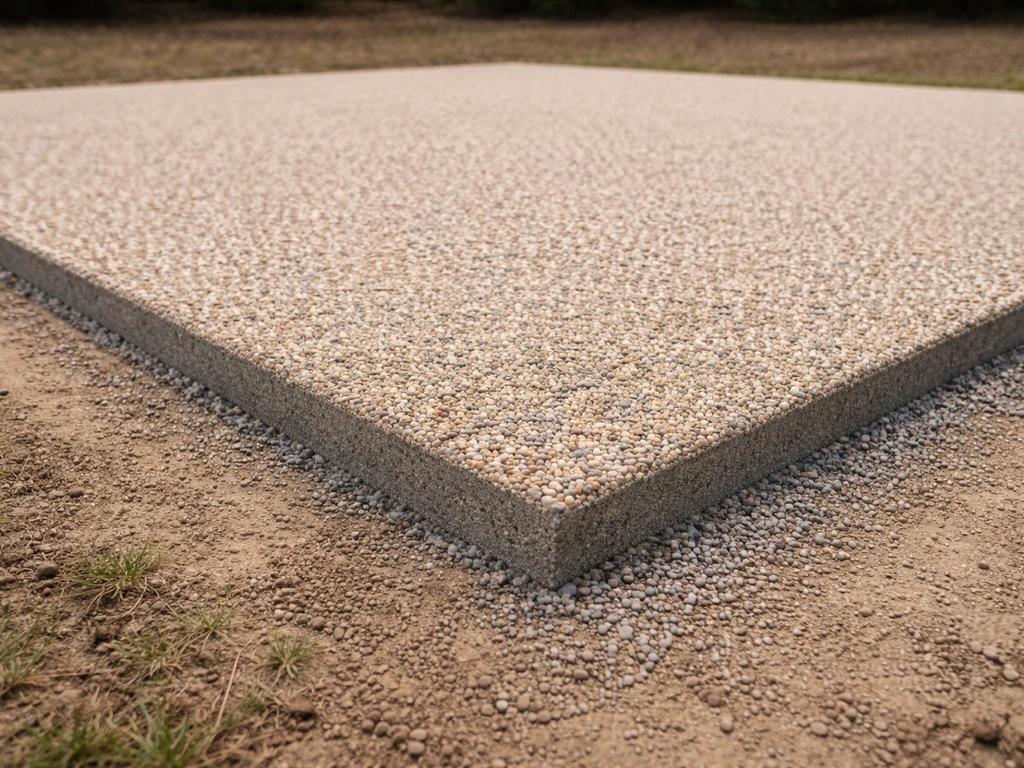
The best base for a pea gravel patio is a compacted layer of angular crushed stone (often called crusher run or dense-graded aggregate) laid 4 to 6 inches deep over your prepared subgrade, topped with a nonwoven geotextile fabric, and finished with 2 inches of pea gravel on top. That combination gives you stable footing, fast drainage, and a solid weed barrier. Everything else in this guide is about getting the details right for your specific yard conditions.
Best Base for Pea Gravel Patio: Drainage and Setup Guide
Nolan Ellison
14 Jun 2026
How to choose the right base for your situation
Before you order materials, you need to answer three questions about your yard: How well does the soil drain? How much foot traffic will the patio take? And do you live somewhere that freezes hard in winter? Your answers change the base recipe pretty significantly.
Stability under foot traffic
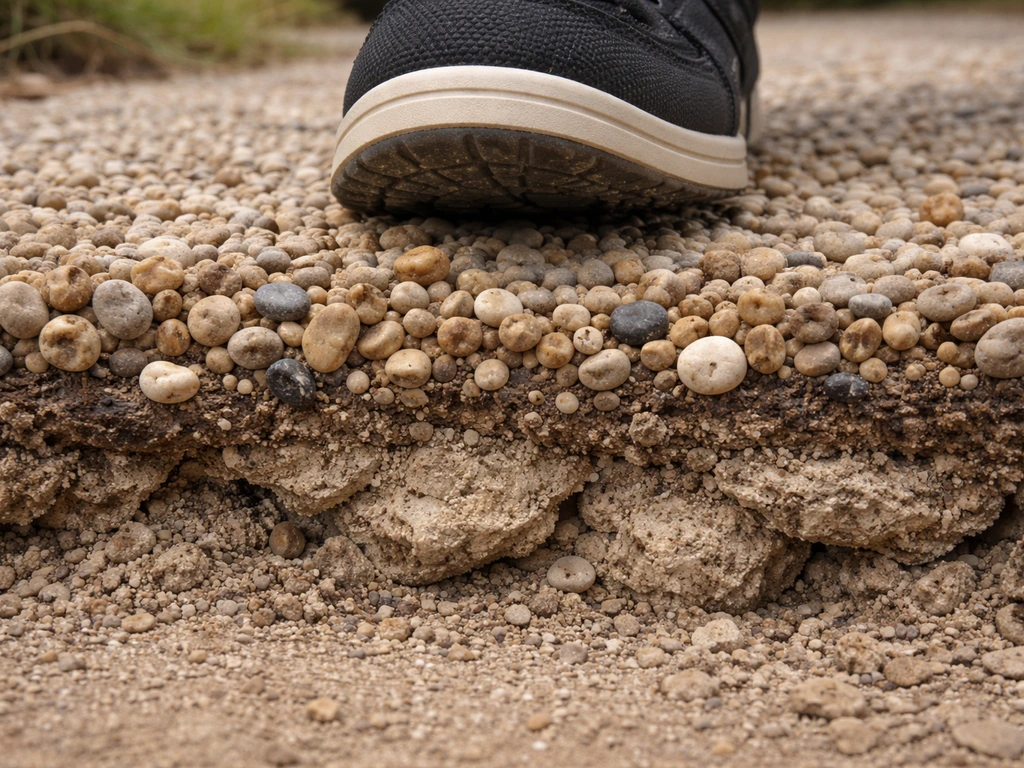
Pea gravel itself is rounded and does not interlock, so it shifts under pressure. It has basically zero structural value on its own. The base layer is doing all the load-bearing work. [Angular crushed stone compacts into a tight, interlocked matrix that resists movement when people walk across it.
](https://www. scdot. org/content/dam/scdot-legacy/business/pdf/geotech/archive/2010GeotechnicalDesign_Manual-Complete. pdf) Rounded stone like pea gravel or river rock cannot achieve that same compaction, which is exactly why you never want rounded stone as the base.
River rock and pea gravel also differ in how they behave as a patio top layer, so it helps to choose based on your look and how much movement you can tolerate river rock vs pea gravel for patio. The rule is simple: angular and dense-graded for the subbase, pea gravel only on top.
Drainage
A pea gravel patio drains through the surface layer quickly, but if the base beneath it is holding water, you will get pooling, soft spots, and eventually a sunken patio. Your base needs to move water down and away. Crushed stone with good aggregate grading does this well. The subgrade (your native soil) also needs a fall of at least 1 percent slope, which works out to about 1 inch of drop per 8 feet. Clay soils are the tricky ones because they hold water. On clay, a deeper base and sometimes a perforated drain pipe at the perimeter make a real difference.
Weed control
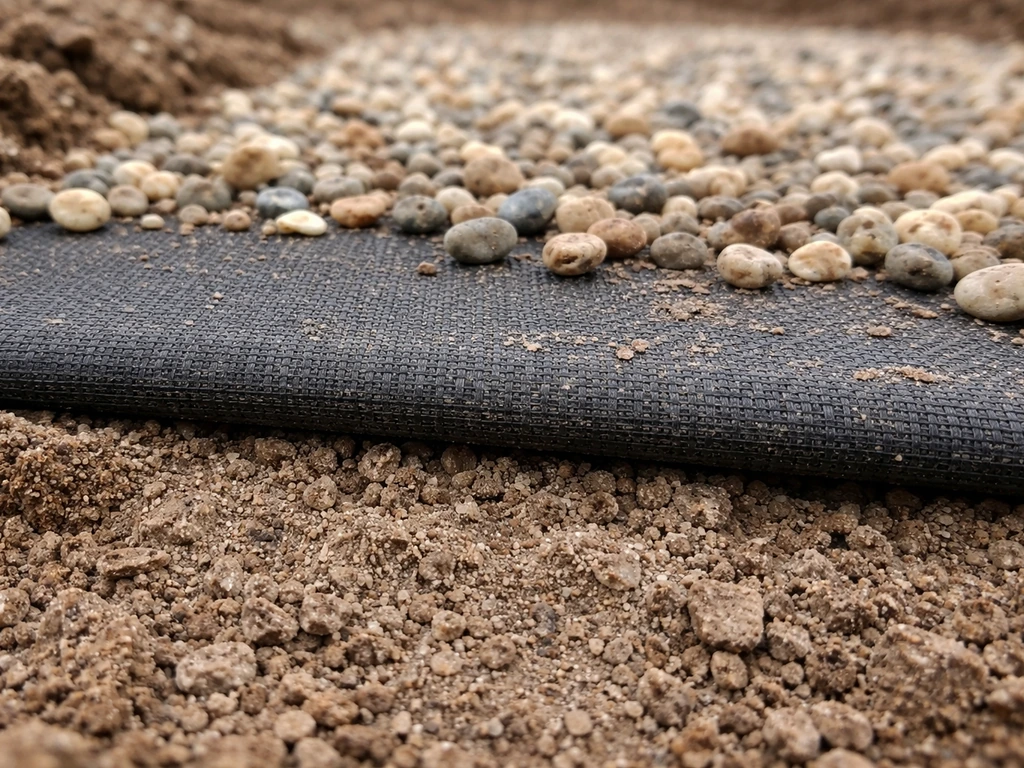
Weeds are the most common complaint from pea gravel patio owners, and most weed problems trace back to skipping or skimping on the fabric layer during installation. If you want pea gravel patio reviews, this is also where most feedback starts: weed control, drainage, and the base design pea gravel patio owners. A properly installed geotextile fabric between the compacted base and the pea gravel topping handles most of the weed suppression.
It does not eliminate every weed (airborne seeds will always germinate on top of any surface), but it stops roots from establishing deep and makes pulling them much easier. The landscape fabric from big-box stores is not the same thing as a real geotextile, and the difference matters, which I will cover below.
Best base layers: crushed stone, gravel, and concrete compared
There are three realistic approaches to building the base under a pea gravel patio. Here is how they compare honestly. If you decide pea gravel is not the best fit, explore an alternative to pea gravel patio that matches your drainage and maintenance needs.
| Base Type | Best For | Drainage | Stability | Cost | DIY Difficulty |
|---|---|---|---|---|---|
| Compacted crusher run (dense-graded crushed stone) | Most residential patios, clay or mixed soils | Good | Excellent | Low to moderate | Moderate |
| Open-graded crushed stone (clean stone, no fines) | Sandy or loamy soils with already-good drainage | Excellent | Good | Moderate | Moderate |
| Concrete slab base | High-traffic areas, slopes, or very soft subgrades | Poor (needs surface slope) | Outstanding | High | High |
Crusher run (dense-graded aggregate)
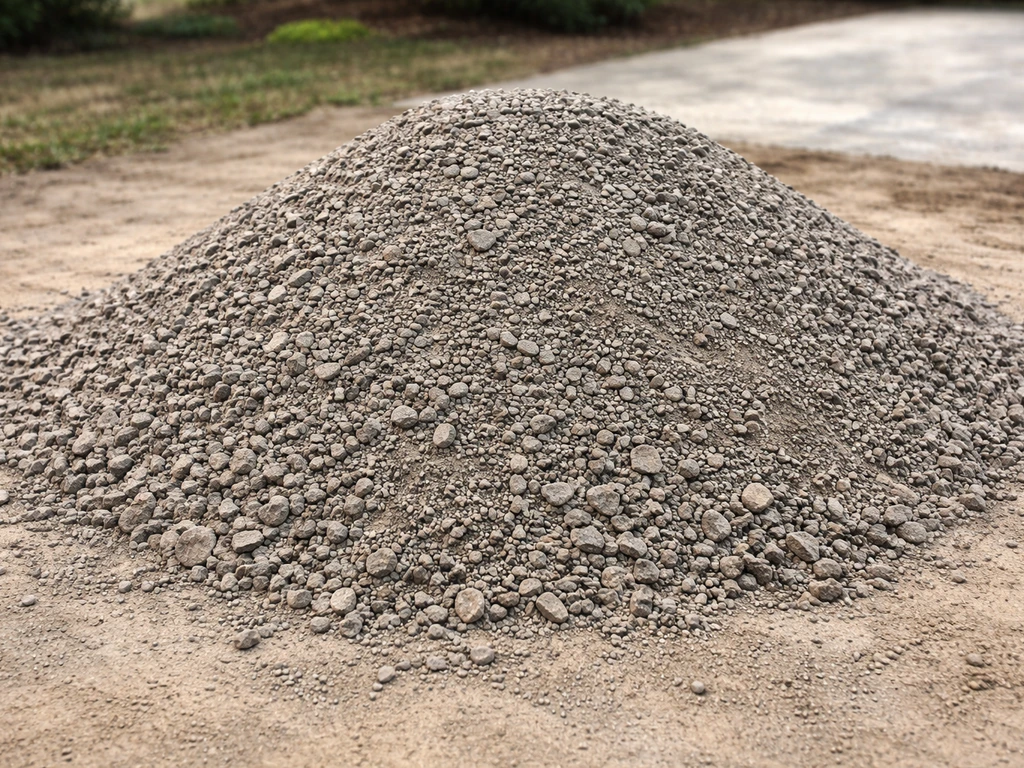
This is the go-to choice for most homeowners and the one I recommend for the majority of sites. Crusher run is a mix of crushed stone and stone dust that compacts into a near-solid, load-bearing layer. It is affordable, widely available, and does an excellent job of distributing foot-traffic loads into the subgrade. The one trade-off is that the fines in crusher run slow drainage slightly compared to open-graded stone, but for a residential patio with proper slope built into the subgrade, it handles normal rainfall without issues. On clay soils specifically, crusher run is the right call for the subbase.
Open-graded crushed stone (clean stone)
Open-graded stone has the fines washed out, leaving uniform angular pieces with lots of void space between them. Water moves through it very fast, making it ideal for sites with drainage challenges or very high rainfall. The downside is that it does not compact as firmly as crusher run, so it needs the geotextile fabric below it to prevent migration into the subgrade, and you need solid edge restraints to keep it from spreading laterally. It costs a bit more than crusher run in most markets.
Concrete slab base
A concrete base is overkill for most pea gravel patios, but it makes sense in a couple of scenarios: steep slopes where the gravel base would wash out over time, extremely soft or waterlogged subgrades, or situations where you want a very stable surface for furniture-heavy use. If you go this route, the concrete surface needs a deliberate slope for surface drainage since water cannot pass through it. You also lose the natural permeability benefit that makes pea gravel patios appealing in the first place. Budget two to three times more than a crushed stone base.
My recommendation
For 90 percent of residential pea gravel patios, 4 to 6 inches of compacted crusher run is the right base. Go with open-graded crushed stone if your site has persistent drainage problems. Save the concrete option for extreme situations. Whatever you choose, angular, hard, durable particles are non-negotiable for the base layer.
Geotextile fabric: when to use it and which type to get
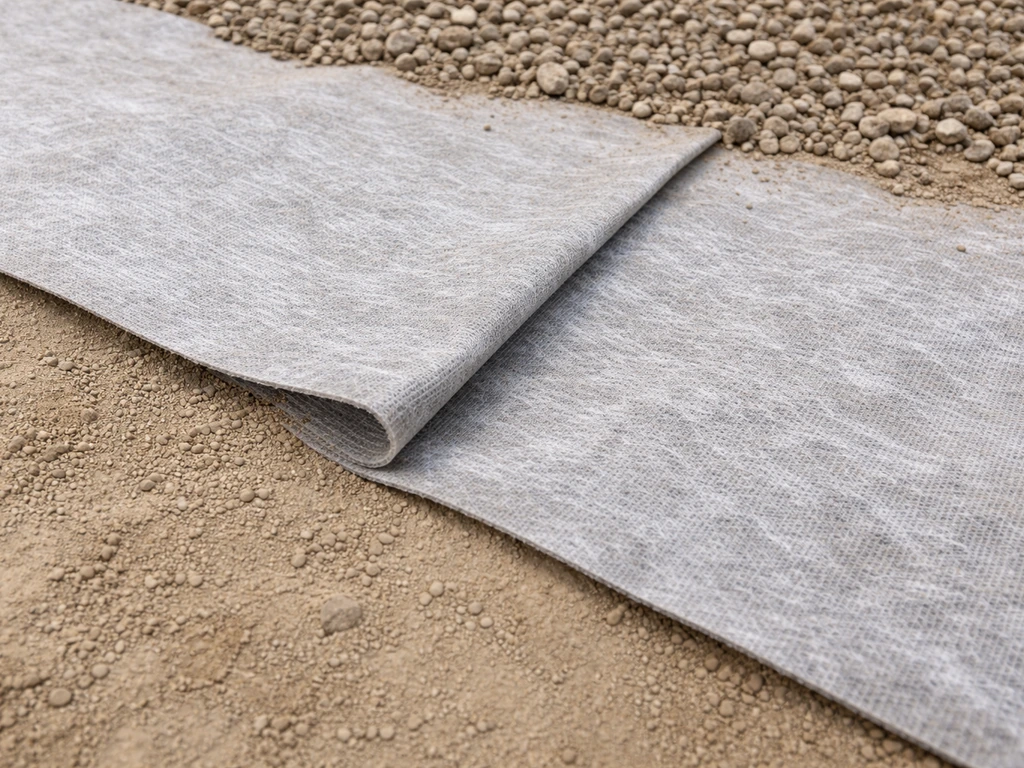
Use geotextile fabric on every pea gravel patio. There is no scenario where skipping it is smart. The fabric sits between your compacted base layer and the pea gravel topping, serving two jobs: it separates the fine particles in the base from the pea gravel above (keeping them from mixing together over time), and it blocks weed roots from establishing through the base.
Nonwoven vs woven geotextile
For a pea gravel patio, use a nonwoven geotextile, not a woven one. Nonwoven geotextiles provide both separation and filtration, meaning they let water pass through freely in all directions while keeping soil particles and aggregate fines on the correct side of the fabric. Woven geotextiles have a lower percent open area and lower flow rates, which can impede drainage rather than help it. They are better suited for heavy-load separation applications, not a residential patio. Look for a nonwoven fabric rated for ground stabilization and patio underlayment use, with a weight in the range of 3 to 5 oz per square yard for light residential applications.
The thin, cheap black landscape fabric sold at garden centers is not a geotextile. It breaks down faster, clogs with soil, and tears easily during installation. Spend a few extra dollars on a real nonwoven geotextile from a landscape supply yard or a reputable online supplier. The difference in long-term weed suppression and drainage performance is substantial.
How to install the fabric correctly
Lay the fabric after your base is compacted and before you add the pea gravel. Overlap adjacent strips by at least 12 inches and always orient the upper strip to lap over the lower one in the direction water flows, so water does not catch under the seam edge. Secure the edges with landscape staples before adding gravel. Pull the fabric snug against the inside edges of your edging restraints so there are no gaps at the perimeter where gravel and weeds can sneak underneath.
Edge restraints and gravel thickness: stopping the spread
Pea gravel migrates. That is just the nature of rounded stone. Without strong edge restraints, you will be constantly raking gravel back from your lawn, garden beds, and walkways. This is one of the most underestimated parts of the build.
Choosing edge restraints
Aluminum or steel edging spiked firmly into the ground is the most effective restraint for a pea gravel patio. A 4-inch-tall edging height works for standard patios with 2 inches of gravel; step up to 5 or 6 inches if you have a deeper gravel layer or a grade change at the border. Thin flat metal landscape edging designed for planting beds does not provide enough structural resistance to hold back gravel under repeated foot traffic.
CMHA notes that certain edge restraint types are not acceptable for interlocking concrete pavements, including flat metal or plastic landscape edging around plantings. Concrete or plastic paver edging spiked at close intervals (every 12 inches) also works well and can double as a visual border, which connects naturally to decisions about the best border style for your patio design.
Choosing the best border style also helps keep pea gravel from creeping outward and keeps your patio looking crisp. Timber or wooden edging works too but needs replacement every several years as it rots.
Pea gravel topping thickness
Aim for 2 inches of pea gravel as your top layer. That depth gives you enough coverage to walk comfortably without pushing through to the base, without being so deep that every step feels like wading through a beach. Less than 1.5 inches and the base layer starts to show through quickly. More than 3 inches and the surface becomes genuinely uncomfortable to walk on and furniture legs sink in. The 40 to 50 mm depth (roughly 1.5 to 2 inches) recommended for decorative gravel patios hits this sweet spot.
Installation walkthrough: from excavation to finished patio
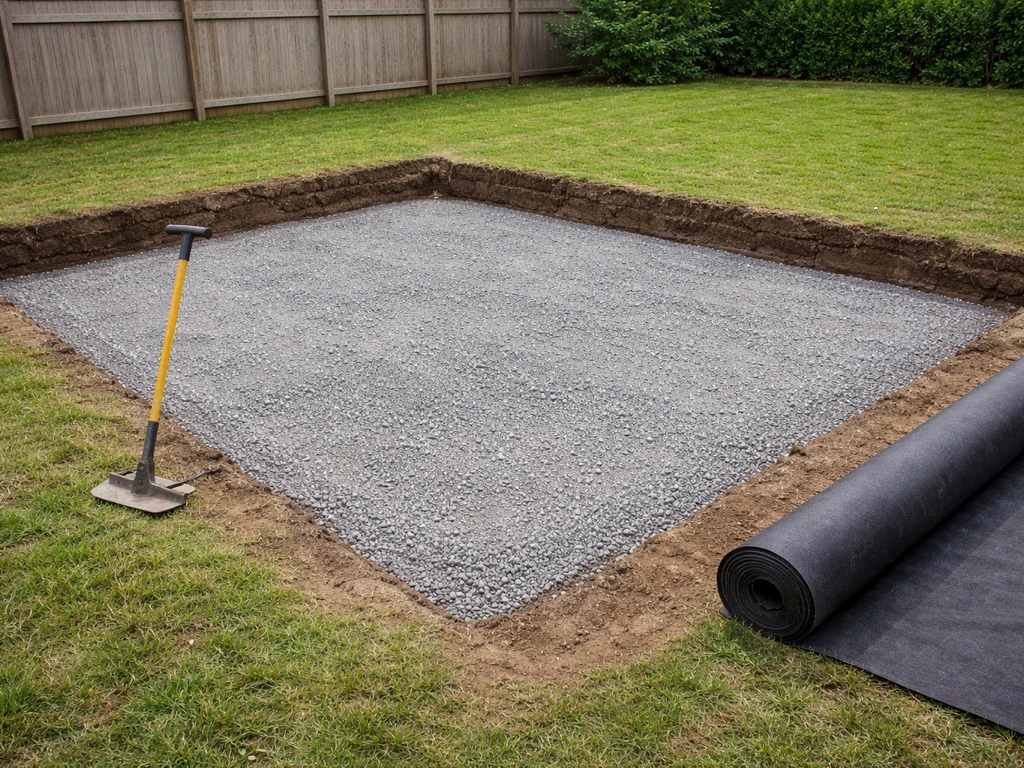
This is a realistic build sequence for a typical residential pea gravel patio. Adjust depth and materials based on your soil type and climate using the guidance above.
- Mark out the patio area and excavate to a total depth of 7 to 9 inches below your desired finished surface level. That accounts for 4 to 6 inches of compacted base plus 2 inches of pea gravel, with room for slight settling.
- Slope the excavated subgrade toward a drainage direction at a minimum 1 percent grade (1 inch drop per 8 feet). Check this with a level and a tape measure before doing anything else. Getting the slope wrong at this stage is the single most common source of future drainage problems.
- Remove all organic material, roots, and soft spots from the subgrade. If you hit areas of very soft or wet soil, dig them out and backfill with compactable material. On clay soils, consider whether a perforated drain pipe at the perimeter is warranted.
- Install your edge restraints now, before adding base material. Drive spikes every 12 inches along the interior edge of the edging. Setting restraints early gives you a defined container to compact within and keeps the base from spreading laterally as you work.
- Add your first lift of crusher run or crushed stone: no more than 4 inches loose depth per lift. Spread it evenly with a rake, then compact it with a plate compactor using 2 to 3 overlapping passes. Do not try to compact a thick layer in a single pass because the compaction will not reach the bottom of the lift where the load transfers to the subgrade.
- If your total base depth is 6 inches, add a second lift of approximately 2 to 3 inches of crusher run and compact again with 2 to 3 passes. The final compacted surface should feel very firm underfoot with minimal give.
- Roll out the nonwoven geotextile fabric over the entire compacted base. Overlap seams by at least 12 inches with the uphill strip on top. Tuck the fabric snug against the inside of the edge restraints and pin it down with landscape staples every 2 to 3 feet.
- Pour and spread 2 inches of pea gravel evenly over the fabric. Use a landscape rake to distribute it uniformly. Avoid using a steel-tined garden rake aggressively because it can shift the fabric below.
- Do a final visual check of gravel depth, edge restraint height, and surface slope. Walk the entire area to feel for soft spots or uneven sections. Address any issues now before the gravel settles.
Freeze-thaw climates: what to do differently
If you live somewhere with hard winters, the base depth and drainage decisions matter even more. Frost action works by pulling moisture up through capillary action into the subgrade and base layers, then expanding that moisture as it freezes. The result is heaving, surface unevenness, and reduced bearing capacity during the thaw period. To fight this, prioritize a base that does not hold water.
Open-graded crushed stone as the bottom layer (below a crusher run cap) acts as a capillary break that stops moisture from wicking upward into the base. Generous overall base depth of 6 inches is the minimum for freeze-thaw zones. Make sure water has a clear escape route at the perimeter so snowmelt and rain do not pond at the patio edge where it can prolong freeze action at the base.
Maintenance and long-term performance
A pea gravel patio built on a proper base holds up very well, but it is not a zero-maintenance surface. Set realistic expectations going in and you will not be disappointed.
Gravel migration and top-ups
No matter how good your edging is, some gravel will escape over time. Foot traffic kicks it out, pets scatter it, and it slowly compacts down into the base layer. Plan to add a fresh half-inch top-up of pea gravel every two to three years. Keep a note of the pea gravel type and color you used originally so the top-up blends in. Rake the surface back to an even depth each spring after winter frost movement settles out.
Weed management
If you installed the geotextile correctly, weed control is mostly surface-level work: airborne seeds that land on top of the gravel and germinate. A quick pull or spray of a targeted herbicide in early spring before weeds establish deep roots handles most of it. If you are seeing weeds pushing up from below with thick, well-established root systems, that usually means the fabric was installed with gaps or the wrong fabric type was used. At that point, removing the gravel, fixing the fabric, and replacing it is the only real fix. Piling on more gravel without addressing the fabric just delays the problem.
Water pooling
If you notice water pooling on the patio surface after rain, the first thing to check is whether the original slope was maintained after compaction and settling. Sometimes a section of the base settles unevenly and creates a low spot. You can usually fix small low spots by carefully raking back the pea gravel, adding a thin layer of fresh compacted base material, re-laying the fabric (patching if necessary), and re-spreading the gravel. Persistent pooling in one area that does not respond to this fix may indicate a subgrade drainage problem that needs a French drain or perforated pipe solution.
Re-leveling after freeze-thaw seasons
In cold climates, check the patio every spring for heaved sections, uneven spots, or edge restraints that have shifted. Minor unevenness often self-corrects as the ground thaws and settles. For sections that stay raised or sunken, rake back the gravel, lift the fabric, and add or remove base material to re-establish a level surface. This is a normal part of owning a gravel patio in a freeze-thaw region and is not a sign that the base failed. Good base preparation just means these corrections are minor and infrequent rather than a complete rebuild.
Your next steps for sourcing materials
Once you have decided on crusher run as your base (for most sites), here is a practical sourcing checklist to get your project moving.
- Call a local landscape supply yard or quarry rather than a big-box store for crusher run. You will get better pricing buying by the ton, and the staff can tell you the exact aggregate gradation available in your area.
- Order a nonwoven geotextile fabric from a landscape supply yard or geosynthetics supplier. Ask for a product rated for ground stabilization and patio underlayment, in the 3 to 5 oz per square yard range.
- Source aluminum or steel edging rated for hardscape use, not thin bed edging. Ask for a 4-inch height minimum and buy the matching landscape spikes.
- For pea gravel selection, look for consistent sizing between 3/8 and 1/2 inch with smooth, rounded stones. Sizing and color vary by region, so see samples in person before ordering a bulk load. Evaluating quality pea gravel options for patios is worth a careful look before you commit to a supplier.
- Rent a plate compactor for a day rather than buying. Most tool rental shops have them, and a full day of rental typically costs less than the fuel and time of doing it wrong with hand tools.
- Calculate your material quantities before ordering: measure length times width times depth in feet and divide by 27 to get cubic yards of base material. Add 10 to 15 percent for waste and settling.
A well-built base is the part of a pea gravel patio that nobody sees but everybody feels every time they walk on it. Spend the time and the modest extra cost to get it right, and the patio will look good and stay stable for a decade or more with minimal effort.
FAQ
Can I use pea gravel for the base instead of crusher run?
Yes, but only if the subgrade is still stable and you control fines. A compacted crusher run layer still matters, then you add nonwoven geotextile and 2 inches of pea gravel on top. If you try to replace the base with just more pea gravel, you lose interlock, and the patio will rut and settle unevenly.
What’s the best way to compact the base layer for a pea gravel patio?
Use a plate compactor (or a jumping jack for tight areas), and compact in 2-inch lifts rather than one thick pour. After compaction, check for soft areas by stepping around the patio perimeter and corners, since those spots show up first when the subgrade or lift thickness was off.
How much slope do I need, and how do I prevent water from pooling at the patio edge?
For most residential patios, keep the finished surface at least level or slightly pitched, then maintain a consistent slope down to a drain outlet. If your patio is on a terrace or flat yard, plan where runoff will go before you set stone height, otherwise you can end up with pooling at the lowest edge even if the base is correct.
What should I do if water pools on the patio surface after rain?
If you see persistent standing water after rain, start by correcting the slope and low spots, then reassess subgrade drainage. If the area stays wet because surrounding soil is clay or waterlogged, you may need a perimeter French drain or perforated pipe at the base line, not just extra gravel depth.
Do I need to replace the geotextile if weeds show up?
Patch the geotextile only when you find tearing, gaps, or wrong fabric use, but overlap the repair seams by at least 12 inches and restaple firmly. If weeds are already coming up from below with thick root systems, plan on removing the gravel and replacing the fabric section, adding more gravel without fixing the fabric usually just delays failure.
Should I add sand or a stabilizer to help pea gravel “lock in”?
You usually do not need to mix sand or cement into the base. If you add binding material, it can clog drainage pathways and trap water, which increases freeze-thaw heaving risk. Stick to angular, dense-graded crushed stone for the load-bearing layer and leave it free-draining.
Is woven landscape fabric ever okay under pea gravel?
A nonwoven geotextile is the safest choice for underlayment because it separates while still letting water pass through. Woven fabrics with lower flow area can slow drainage and contribute to soft base conditions, especially if fines migrate into the base over time.
How do I stop pea gravel from migrating into the lawn and beds?
Yes, for long-term crisp borders. Pea gravel will creep if the edge system is too short or not stiff enough. Use 4 to 6 inches of edging height to match your gravel depth, and ensure the edging is spiked or anchored firmly so foot traffic cannot push gravel laterally.
Is the standard base thickness enough if I park or move heavy items over the patio?
If you expect heavier loads, adjust the design rather than increasing pea gravel depth. For example, patio furniture and regular walking are fine with the standard 4 to 6 inches crusher run base, but vehicles, carts, or frequent concentrated loads call for thicker base and tighter compaction to avoid rutting.
How often should I add pea gravel back on top?
Plan a top-up schedule. Even with good edging, you will lose some gravel to raking, pets, and settling, so adding about a half-inch every 2 to 3 years keeps the walkway comfortable and reduces the chance of seeing the base.
What seasonal maintenance should I do in spring for a pea gravel patio?
A quick spring cleanup helps you catch issues early. Rake to re-level after frost movement, then inspect edges for gaps and staple lines for any fabric exposure. Early correction prevents small low spots from turning into persistent drainage problems.