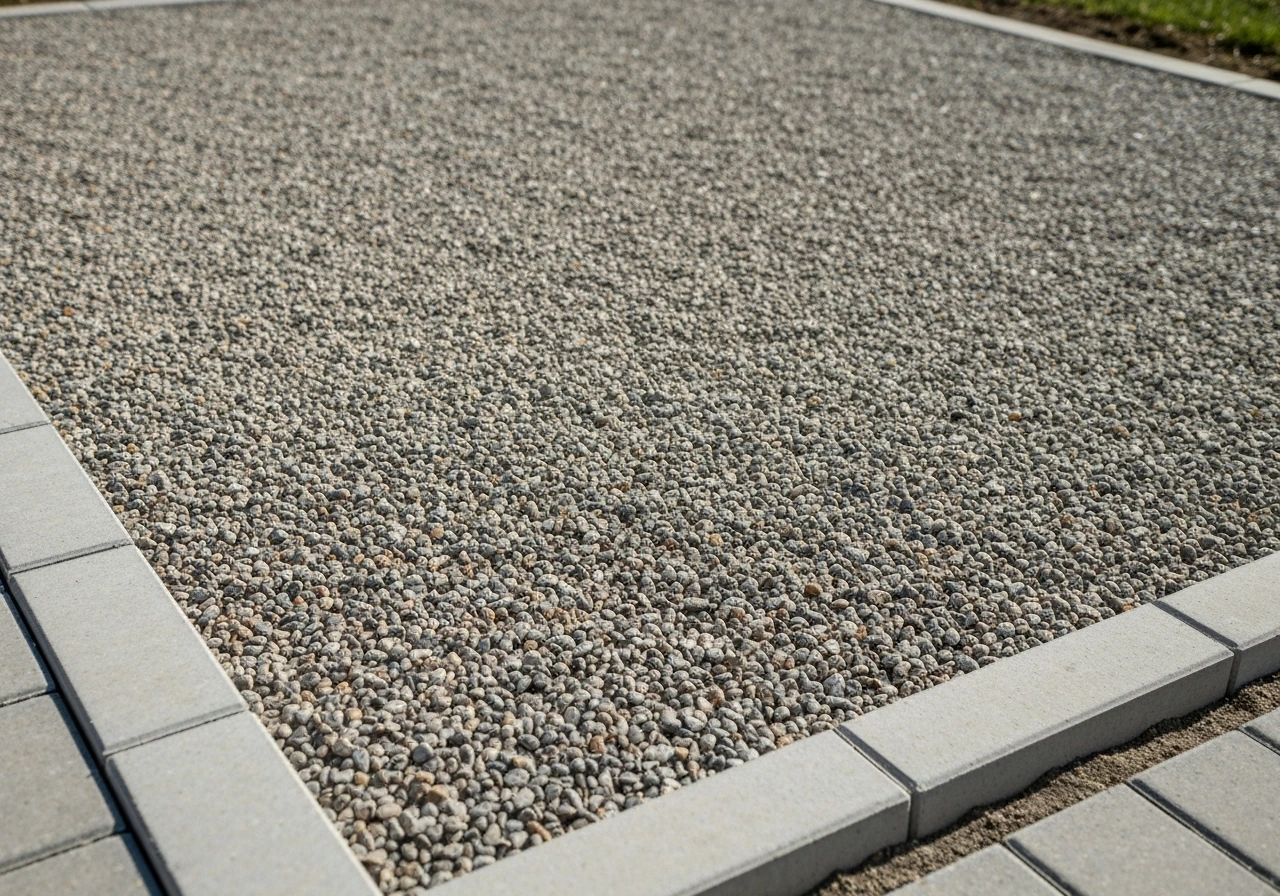
The best pea gravel for a patio is washed 3/8-inch rounded pea gravel, ideally in a natural mixed-tone blend, laid 2 inches deep over a 2–3 inch compacted crushed-rock base. If you want to compare options, these pea gravel patio reviews can help you judge what works for drainage, stability, and long-term look washed 3/8-inch rounded pea gravel. That combination gives you good drainage, a clean surface that doesn't track mud, and enough stability for chairs and foot traffic. Everything else, the color, the exact base depth, whether you use landscape fabric, comes down to your specific soil, climate, and how you plan to use the space. The rest of this guide walks you through all of it.
Best Pea Gravel for Patio: How to Choose and Install
Nolan Ellison
3 May 2026
What 'best' actually means for a patio
When people search for the best pea gravel for a patio, they usually have four real concerns bundled together: how it looks, whether it stays put, how well it drains, and what it costs. The problem is those goals sometimes pull against each other, so it helps to be honest about the trade-offs before you buy anything.
- Appearance: Color, uniformity, and whether it looks intentional or just dumped. Washed gravel wins here because fines and dirt are removed before it ships.
- Stability: Rounded pea gravel rolls underfoot more than angular crushed stone does. A proper compacted base and solid edging do most of the work of keeping it stable, but the gravel itself matters too.
- Drainage: Pea gravel drains very well on its own. The thing that kills drainage is the wrong base material, compacted fines below the gravel, or soil that can't absorb water quickly enough.
- Budget and effort: Pea gravel is one of the most affordable patio surface materials available, typically $30–$55 per ton, and installation is genuinely DIY-friendly. But cutting corners on the base will cost you more in repairs later.
If stability is your top priority, such as a seating area where chairs scoot around, know that angular chippings pack together better and move underfoot less than rounded pea gravel. Crushed stone with sharp edges physically interlocks where rounded pea gravel can't. That said, most homeowners pick pea gravel specifically because it looks good and feels softer underfoot. You just need to build the base right to compensate.
Pea gravel specs that actually matter
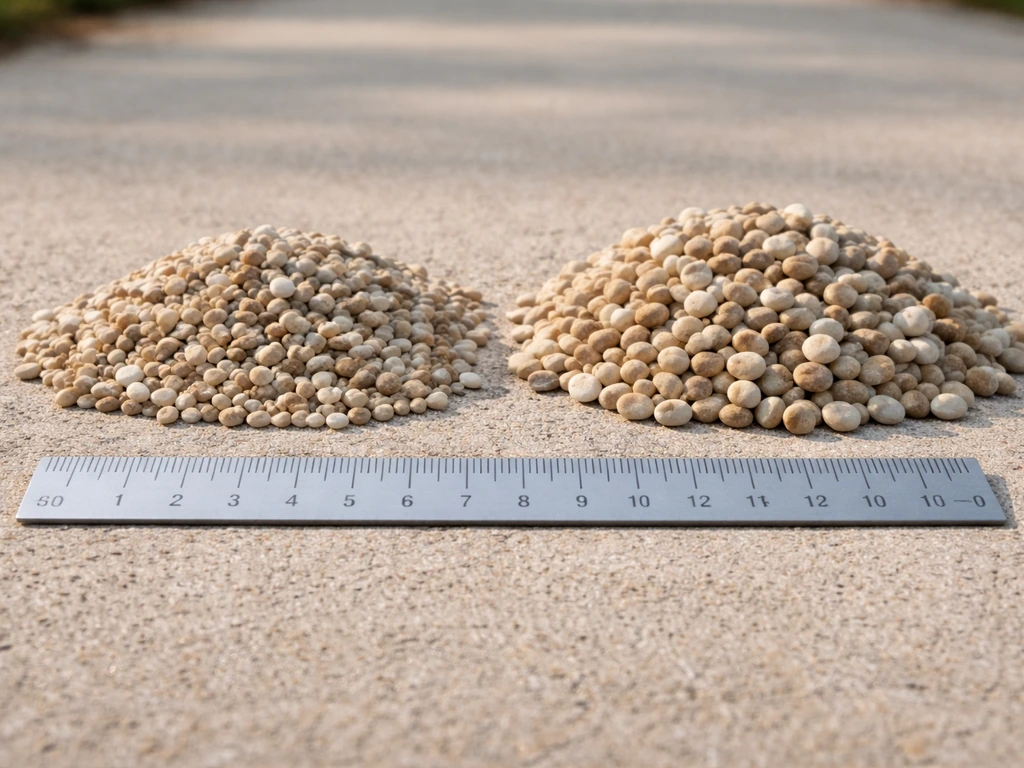
Not all bags or bulk loads labeled 'pea gravel' are the same. These are the specs to check before you order.
Size and gradation
Standard pea gravel runs from about 1/8 inch to 3/8 inch. For a patio surface, 3/8-inch is the sweet spot. It's large enough to stay visible and feel substantial underfoot, drains well between particles, and is small enough to re-level easily with a rake. The 1/8-inch size is sometimes marketed as better for weed suppression because it fills voids more tightly, but that same void-filling effect reduces drainage and can turn the surface into a packed, uneven layer over time. Stick with 3/8-inch for a patio.
Washed vs. unwashed
Always use washed pea gravel for a patio. Unwashed gravel comes with clay, silt, and fine particles still attached. Those fines look dirty, track into your house, and over time they compact and reduce drainage. Washed gravel has been run through water to remove that material, giving you clean, consistent stones. The visual difference is obvious the moment you pour them side by side.
Angularity and shape
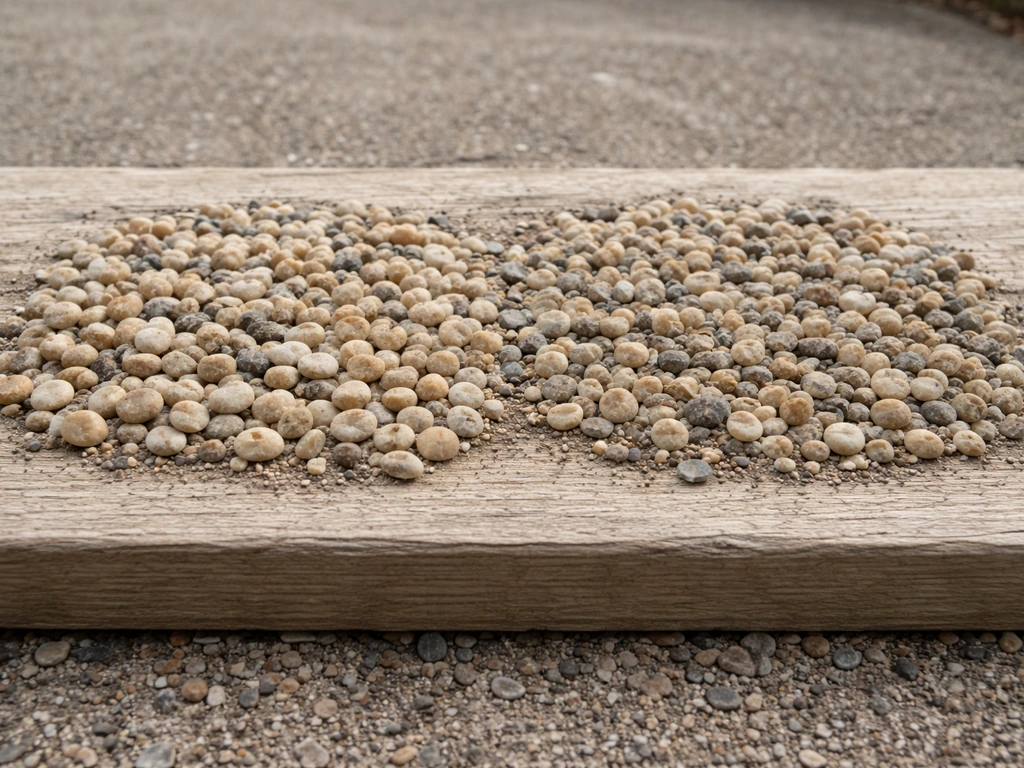
True pea gravel is smooth and rounded, worn by water over time. That's why it looks good and feels comfortable, but it's also why it rolls. If you want more stability in the surface layer itself, some suppliers offer a 'pea gravel blend' that mixes rounded stones with a small percentage of fines or slightly angular material. That small addition of fines helps the stones lock against each other without turning the surface into packed crusher run. Ask your supplier specifically about this when ordering in bulk.
Color and finish
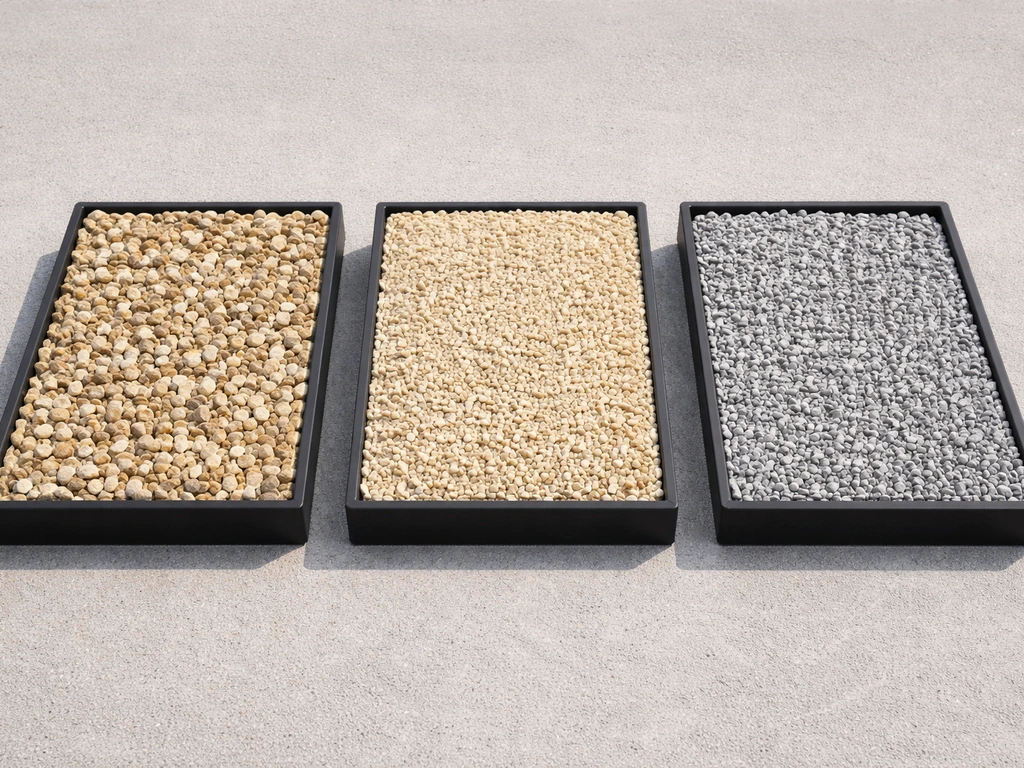
Pea gravel comes in natural mixed tones (tan, gray, white, brown), solid buff, solid gray, and quarried blends. The natural mixed-tone product is the most forgiving because slight color variations from batch to batch are invisible in a multi-tone stone. Solid-color or dyed products look great at first but can fade unevenly and any top-off material from a different lot will be obvious. If you're doing a large patio, buy all your material at once from the same quarry run to keep the color consistent.
Getting the base and thickness right
The base is where most pea gravel patios succeed or fail. The surface gravel gets the attention, but what's underneath determines whether your patio stays level in year three or develops dips, muddy soft spots, and gravel that wanders off to the edges.
Total depth target
Plan for a total excavation of 4 to 5 inches. That breaks down into a 2–3 inch compacted crushed-rock base, plus roughly 2 inches of pea gravel on top. On clay-heavy or poorly draining soils, lean toward the deeper end. On sandy, well-draining ground, the shallower end is fine. Keep in mind that loose aggregate compacts to roughly 80–85% of its spread depth, so order a bit more than your math suggests.
What to use as a base
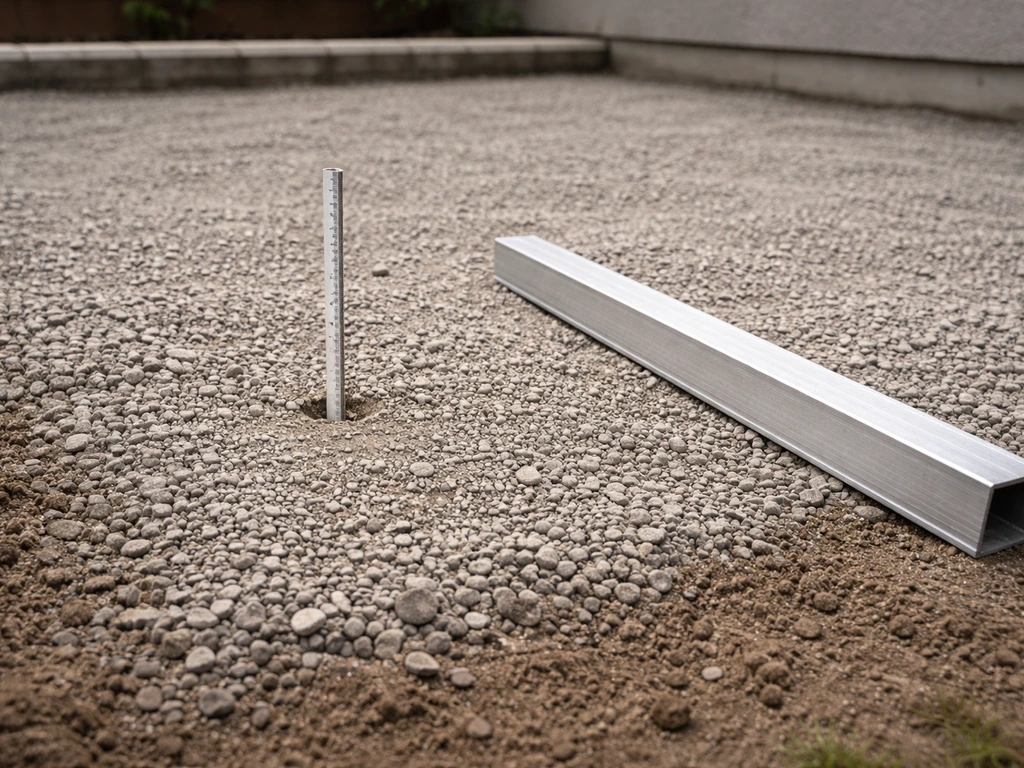
The best base for a pea gravel patio is a mix of 3/4-inch crushed rock and rock dust (sometimes called crusher run or road base). The angular particles and fine dust bind together when compacted, creating a stable, locked surface that pea gravel sits on without shifting. Pure crushed rock without fines won't compact as well. Pure sand is not a good base for a patio because it moves. Compact the base in layers no thicker than 2 inches at a time for proper compaction through the full depth.
Slope for drainage
Build in a slight slope of 1 to 2 percent away from your house or any structure. That's about 1/8 to 1/4 inch drop per foot. Do this at the subgrade level, not by piling more gravel on one side. Establishing slope during excavation means your base and surface both drain correctly without creating an uneven top layer.
Landscape fabric: use it correctly
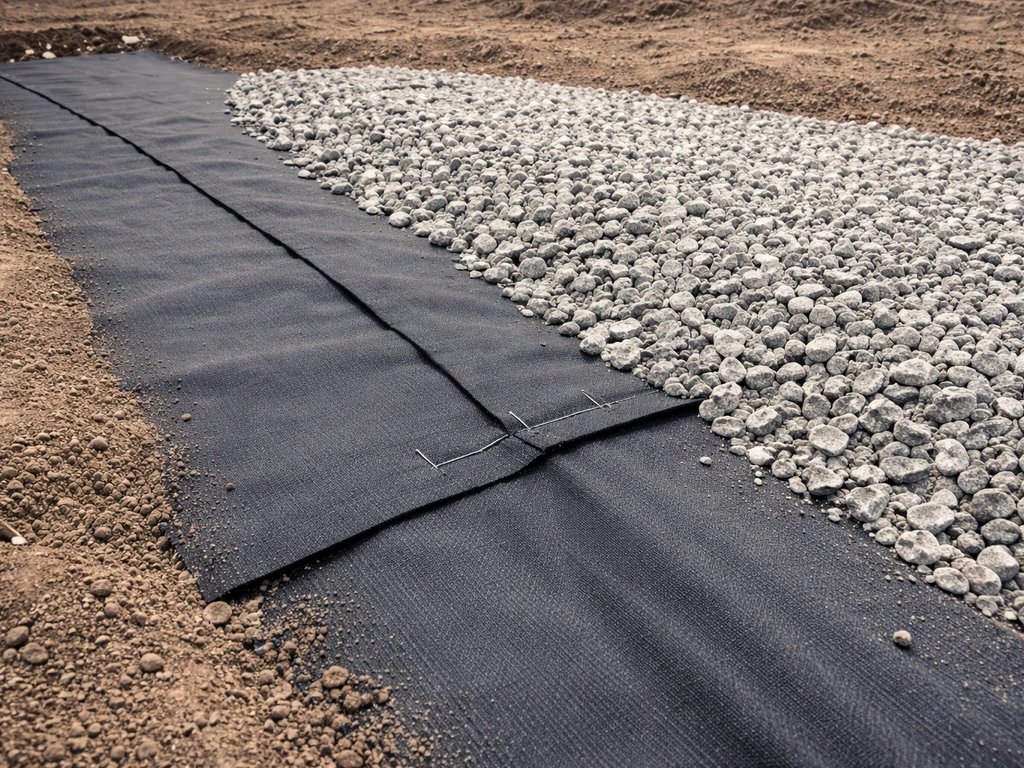
Landscape fabric goes under your base material, between the subgrade and the crushed rock. This placement lets it do its job (blocking weeds and separating soil from aggregate) without interfering with drainage through the pea gravel surface. For a patio, use a [nonwoven geotextile fabric rated for permeable applications](https://www. sandiegocounty.
gov/content/dam/sdc/dpw/WATERSHEDPROTECTIONPROGRAM/WatershedRebates/WRP/PDF/MulchandLandscapeFabricGuide. pdf). Woven stabilization fabric works for drives and paths under heavy load, but nonwoven fabric is more appropriate for a patio using permeable gravel. Do not put landscape fabric between the base and the pea gravel surface layer.
For bonding or surface repairs, use the best glue for a pea gravel patio that is made for outdoor stone and works on permeable surfaces best glue for pea gravel patio. Doing that prevents the pea gravel from ever binding with the base, making it even more likely to shift.
Edging: non-negotiable
Solid edging is what keeps pea gravel from migrating into your lawn, garden beds, and walkways. Steel landscape edging, aluminum edging, rot-resistant timber, or concrete curbing all work. Install edging before you add any gravel and make sure it's secure at grade height so the top of the edge is flush with or just slightly above your finished gravel surface. Loose or shallow edging is the single most common reason pea gravel patios look messy within a season.
Best pea gravel types and blends for patios
Here's a practical comparison of the main options you'll encounter when shopping at a landscape supply yard or home improvement store. If you are unsure which stone fits your patio best, compare river rock vs pea gravel for patio use before choosing your final material.
| Type | Size | Stability | Drainage | Appearance | Best For |
|---|---|---|---|---|---|
| Washed 3/8" pea gravel | 3/8 in | Moderate (rolls slightly) | Excellent | Natural mixed tones, clean | Most patios — best all-around choice |
| Washed 1/8" pea gravel | 1/8 in | Moderate, fills voids | Good (can reduce over time) | Fine, even texture | Tight weed suppression between stepping stones |
| Pea gravel blend with fines | 3/8 in + fine dust | Better than pure rounded | Good | Slightly less uniform | High-traffic seating areas that need more lockup |
| Angular crushed stone (pea-size) | 3/8–1/2 in | Best (interlocks) | Excellent | Rougher look, gray tones | Max stability; less comfortable underfoot |
| River rock (decorative) | 1/2–1 in | Poor (rolls significantly) | Excellent | Polished, varied color | Decorative borders, not walking surfaces |
For most homeowners building a patio where people will walk, sit, and move chairs around, washed 3/8-inch pea gravel with a proper compacted base is the right call. So, is pea gravel good for patios? Yes, washed 3/8-inch pea gravel works well when you pair it with the right base, depth, and drainage setup. If you're comparing pea gravel against river rock specifically, note that river rock rolls considerably more underfoot and needs even better edging to stay put. The comparison between those two materials is worth understanding before you commit to either one.
How to install a pea gravel patio that lasts
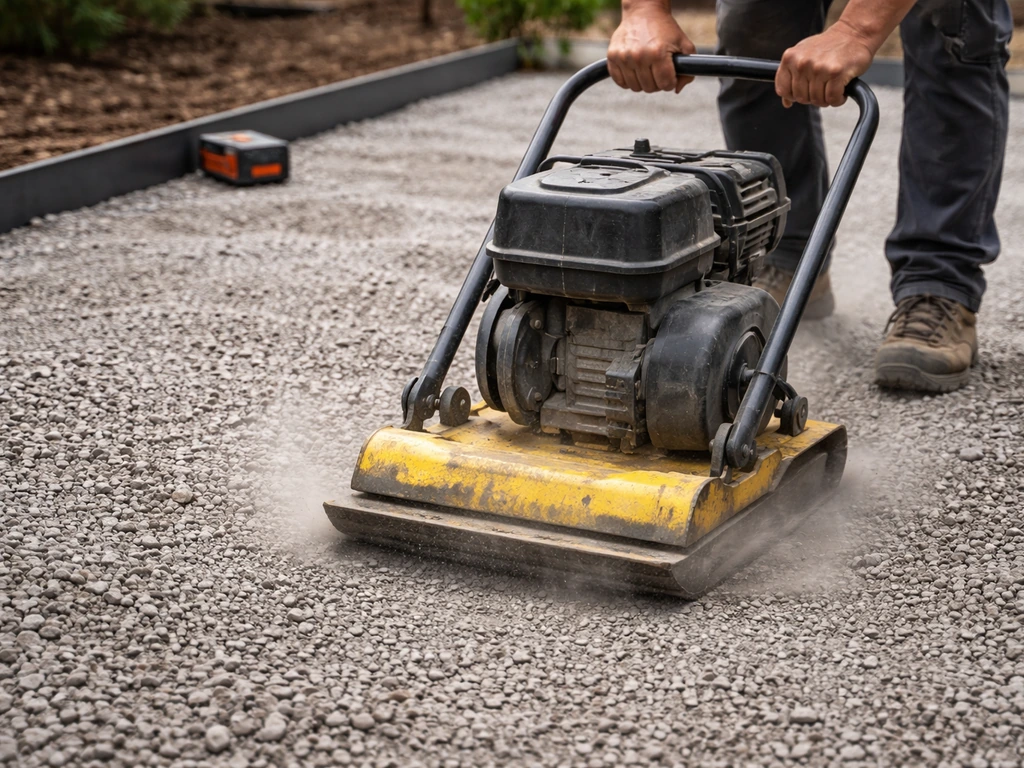
This is the sequence that experienced installers follow. Skipping or rushing any of these steps is where problems start.
- Mark and measure the patio area. Use spray paint or stakes and string to define the perimeter. Measure carefully because this is also when you calculate how much material to order.
- Calculate your material. Use the formula: Length (ft) × Width (ft) × Depth (inches) ÷ 324 = cubic yards needed. A quick rule of thumb is that 1 cubic yard covers about 100 square feet at 3 inches deep. Order about 10% extra to account for compaction and waste.
- Excavate to your target depth (4–5 inches total for base plus surface). Slope the subgrade 1–2% away from any structures. Remove all grass, roots, and organic material. This is not a step to rush.
- Install landscape fabric. Lay nonwoven geotextile fabric across the excavated area, overlapping seams by at least 6 inches. Stake it down at the edges. Trim to the perimeter.
- Install edging. Set your steel, aluminum, or timber edging around the full perimeter before adding any aggregate. Make sure it's secure and set to the right height.
- Add and compact the crushed-rock base. Spread your crusher run or 3/4-inch crushed rock with rock dust in 2-inch lifts. Compact each lift with a plate compactor before adding the next. Total base depth should be 2–3 inches after compaction. Check that your slope is correct at this stage.
- Spread pea gravel surface layer. Rake 2 inches of washed 3/8-inch pea gravel evenly over the compacted base. Check the surface for level and slope. The finished gravel surface should sit just below the top of your edging so it doesn't spill over.
- Rake to smooth and inspect. Walk across the surface and look for low spots. Fill and re-rake as needed. The gravel will settle slightly over the first few weeks.
Ongoing maintenance and weed control
Pea gravel patios are low maintenance, but they're not zero maintenance. Here's what the routine actually looks like.
Raking and smoothing
Rake the surface a few times a year, or whenever you notice uneven spots forming from foot traffic or furniture. A standard bow rake works fine. This also brings buried stones back to the surface and helps identify low spots that need topping off.
Topping off
Even a well-built pea gravel patio loses about half an inch of depth every few years from compaction, displacement, and normal wear. Keep a bag or small pile of matching gravel in reserve so you can top off low spots when needed. Try to source from the same supplier to keep color consistent, or factor a full top-off into your maintenance budget every three to five years.
Clearing debris
Leaves, twigs, and organic matter accumulate in pea gravel and eventually decompose into a layer of soil-like material that weeds love. Blow or rake debris off the surface regularly, especially in fall. A leaf blower on a low setting is faster and more effective than raking for light debris.
Weed control
Landscape fabric handles most of the weed pressure from below, but airborne seeds will still germinate in any accumulated organic matter on the surface. The most effective approach is a two-part strategy: apply a pre-emergent herbicide in early spring before weed seeds germinate, and spot-treat any breakthrough weeds with a post-emergent product. Pre-emergents prevent germination; post-emergents kill weeds already growing. Using both in sequence keeps the surface nearly weed-free without needing to disturb the gravel or base. Avoid overspraying near garden beds or lawn edges.
Common pitfalls and how to avoid them
I've seen the same problems show up repeatedly on gravel patio projects. Here's what causes them and how to avoid each one.
Settling and unevenness
This almost always traces back to the base. If you skip compaction or try to compact the base in one thick lift instead of 2-inch layers, you'll get uneven settlement over the first year. The gravel surface sinks in patches, puddles form, and the whole thing looks neglected. Compact properly during installation and you won't see this.
Gravel migration
Pea gravel wanders. A solid border made from durable materials is key to keeping a pea gravel patio looking neat and preventing gravel from spilling out borders for a pea gravel patio. Without solid edging, it spreads into adjacent lawn and garden areas within one season. Flimsy plastic edging that shifts or pops up doesn't count as solid edging. Use steel, aluminum, heavy timber, or concrete borders set at the right height, and inspect them annually for any sections that have moved.
Muddy tracks into the house
Mud tracked from a pea gravel patio usually means one of two things: either the base material included too much clay or organic material that's wicking up through the surface, or the subgrade drainage is poor and water is saturating the base. Washed gravel on a properly drained crusher-run base won't produce mud. If you're dealing with this problem on an existing patio, the fix is to pull up the surface gravel and assess the base.
Clogged drainage
Using unwashed gravel, the wrong base material, or the wrong landscape fabric placement can gradually clog the drainage path through your patio. Water starts pooling on the surface instead of draining through. This is why washed gravel and nonwoven geotextile fabric (placed under the base, not above it) matter. If your patio drains slowly after rain, the fines in the base or gravel are likely the culprit.
Wrong material choice for the use case
If your patio is going to see heavy furniture, pets, or kids running through constantly, pure round pea gravel will frustrate you. Consider a pea gravel blend with slight angular fines for better lockup, or look into whether a different patio material makes more sense for your situation. If pea gravel is frustrating for your setup, there are several alternative patio surfaces that can handle heavy traffic and stay stable. If you're weighing pea gravel against harder alternatives, it's worth understanding what the alternatives actually offer before you commit to either direction.
Quick sourcing and quantity guide
For small patios under 100 square feet, bagged pea gravel from a home improvement store is convenient. For anything larger, buying bulk from a landscape supply yard is significantly cheaper and gives you more control over the specific gradation and wash quality. When you call to order, ask specifically for washed 3/8-inch pea gravel and confirm it comes from a consistent quarry run if you're matching an existing area.
| Patio Size (sq ft) | Pea Gravel Needed (2" depth) | Base Material Needed (2.5" depth) | Total Cubic Yards |
|---|---|---|---|
| 100 sq ft | 0.6 cu yd | 0.8 cu yd | ~1.5 cu yd |
| 200 sq ft | 1.2 cu yd | 1.5 cu yd | ~2.7 cu yd |
| 300 sq ft | 1.9 cu yd | 2.3 cu yd | ~4.2 cu yd |
| 400 sq ft | 2.5 cu yd | 3.1 cu yd | ~5.6 cu yd |
Add 10% to both materials for waste, compaction loss, and any low spots you discover during installation. It's far easier to have a small surplus than to wait on a second delivery with a different batch color. Getting the base and surface right the first time is what separates a pea gravel patio that still looks good in five years from one that needs to be redone after the first winter.
FAQ
Is 3/8-inch pea gravel always the best pea gravel for patio use, even in freeze-thaw climates?
It’s a strong default, but in regions with frequent freeze-thaw, prioritize washed 3/8-inch and focus on drainage and slope first. If water can’t move away quickly (especially off clay or poorly drained subgrade), even the right stone can heave or migrate, so consider leaning toward the deeper base end and verify your site drains before installing.
Can I use pea gravel on top of existing concrete, pavers, or an old patio surface?
Usually not without addressing drainage and stability. Pea gravel needs a compacted crushed-rock base that locks, over a shaped subgrade with a slight slope. If you place it directly on an old flat surface, you risk trapping water and creating uneven settling, so plan on lifting out to recreate the base or consult an installer about water management.
Do I need landscape fabric if I’m already using a compacted crushed-rock base?
For patios, fabric is mainly a separation and weed-control layer, not a drainage stopper. Use nonwoven geotextile between the subgrade and the crushed rock, and make sure it’s permeable. Avoid putting fabric above the base, since that can block fines movement and contribute to surface pooling or mud.
How do I tell if a supplier’s “pea gravel” is really washed and correctly graded?
Ask the supplier to confirm it’s washed and request the nominal size (3/8-inch) plus whether it’s rounded pea gravel rather than screenings. If possible, inspect a sample by spreading it: unwashed material typically leaves visible dust or fine silt on the surface and can make water look cloudy during a quick pour test.
Will pea gravel be comfortable for bare feet and barefoot walking paths?
It usually feels softer than many crushed stones because the stones are rounded. Comfort still depends on how well the surface is leveled and whether you have consistent depth, if low spots form you’ll feel substrate or sharp base edges. Regular raking and periodic topping off help keep the surface pleasant.
Why does my pea gravel patio develop sinkholes or uneven low spots after rain?
The most common cause is inadequate base preparation, especially skipping proper compaction in 2-inch lifts or not compacting the base deeply enough. A second cause is poor drainage where fines or clay wash or migrate into voids. If it’s an existing patio, the reliable fix is to pull back gravel in problem areas, inspect the base, then rebuild the base rather than just adding more stone.
How much edging do I actually need to stop pea gravel from migrating?
You need edging that’s solid, set at the correct height, and installed before gravel goes in. A frequent failure is edging that sits too low, rises when stepped on, or uses flimsy plastic. For best results, use steel, aluminum, rot-resistant timber, or concrete curbing and check annually after freeze-thaw or heavy use.
Can I stabilize pea gravel with glue or pavers to reduce shifting?
Glue is generally not the right approach for a true pea gravel patio surface because it can reduce the natural permeability and bonding flexibility that helps prevent shifting. If you’re considering any bonding, keep it limited to specific repairs and follow products designed for permeable stone surfaces, otherwise you can create patchy areas that drain differently and collect fines.
What should I do about weeds if fabric is installed and I still get plants popping up?
Weeds often appear from seeds on top or organic debris that accumulates on the surface, leaf litter is a big driver. In practice, combine maintenance (blow or rake debris, keep surface clean) with seasonal weed control, pre-emergent early spring to stop germination, then spot-treat any survivors with a post-emergent product.
How often should I top off pea gravel, and how much should I add?
Plan on topping off when you notice unevenness or after furniture traffic redistributes stones, many patios lose noticeable depth over a few years. Keep matching gravel from the same quarry run, add a thin, even layer to restore grade, then rake to blend. For replacements, avoid mixing lots with different tones unless you’re okay with visible variation.
What’s the best way to order material so I don’t end up short or with mismatched color?
Order extra for waste and compaction loss (a common rule is about 10% added to both base and surface). For color consistency, buy the entire job from one bulk batch when possible, and if you must re-order, confirm it’s the same quarry run or blending spec so top-off matches the existing tones.