Pea gravel can be a genuinely good patio surface, but only in the right situation. It works beautifully for low-traffic zones, garden paths, decorative fills between stepping stones, and casual hangout spots where you're not constantly dragging chairs across it. Where it struggles is as a primary high-traffic seating patio, because the loose rounded stones shift under furniture legs, migrate beyond the edges, and require real ongoing maintenance to keep looking decent. Get the base, edging, and drainage right, and pea gravel is one of the most affordable and attractive loose-surface options available. Skip those steps, and you'll be raking gravel out of your lawn every weekend.
Is Pea Gravel Good for Patios? Pros, Cons, and Installation Tips
Nolan Ellison
24 Jun 2026
How pea gravel actually performs as a patio surface
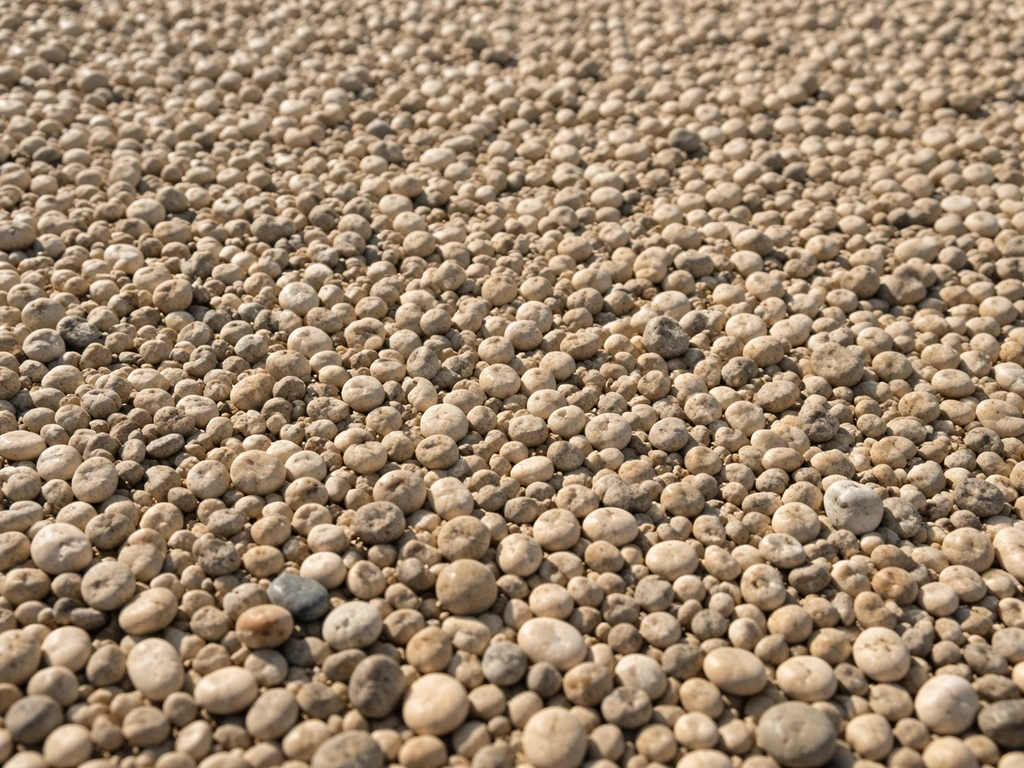
Pea gravel is a smooth, rounded aggregate that typically runs between 3/8 inch and 5/8 inch in diameter. That small, uniform size is what makes it comfortable to walk on barefoot, but it's also what makes it shift. Because pea gravel is a loose, rounded aggregate, it can shift or migrate under foot traffic over time and may be displaced by wind, water, and heavy use. Because the stones are round and loose, they don't interlock the way angular crushed gravel or decomposed granite does. Foot traffic, furniture weight, and even a hard rain will displace the surface layer over time.
In dry climates, pea gravel holds up reasonably well with minimal intervention. In freeze-thaw climates, the stones work themselves around as the ground heaves and settles through winter, so spring raking and redistribution become a regular ritual. Drainage is actually one of pea gravel's genuine strengths: water moves through it freely, which means no pooling, no slick surface after rain, and no freeze-over issues that you'd get with solid pavers on poorly graded ground.
The honest verdict from owners is mixed. Many love the look and the low upfront cost. Others find the ongoing maintenance more work than expected, especially weed intrusion and the constant need to re-level the surface. If you go in with realistic expectations and proper installation, it earns its place. If you expect a pea gravel patio to behave like a flagstone or concrete surface, you'll be disappointed.
Where pea gravel shines and where it falls flat
Best uses for pea gravel
- Garden paths and walkways with light foot traffic
- Decorative fill between flagstone, stepping stones, or pavers
- Low-use seating areas like a side-yard fire pit circle where chairs don't move constantly
- Play areas and sandpit-style zones where soft underfoot feel is a priority
- Around water features, raised beds, and landscaping borders
- Patios with a defined perimeter edging where migration can be controlled
Where it tends to fail
- High-traffic dining patios where chairs are pulled in and out constantly
- Sloped areas where gravity accelerates migration downhill
- Patios adjacent to lawn without solid edging, where gravel disappears into grass quickly
- Anywhere mobility accessibility matters, since loose gravel is unstable underfoot
- Covered patios with no drainage need, where gravel's main advantage (permeability) is irrelevant
- Households with dogs that like to dig or scatter material
One thing worth noting: pea gravel used as decorative fill between larger pavers or flagstone is a completely different experience from a pure loose-gravel patio. In that hybrid application, the stones stay contained by the surrounding solid material, the shifting issue largely disappears, and you get the best of both worlds visually and functionally.
Installation: the steps that actually make or break it
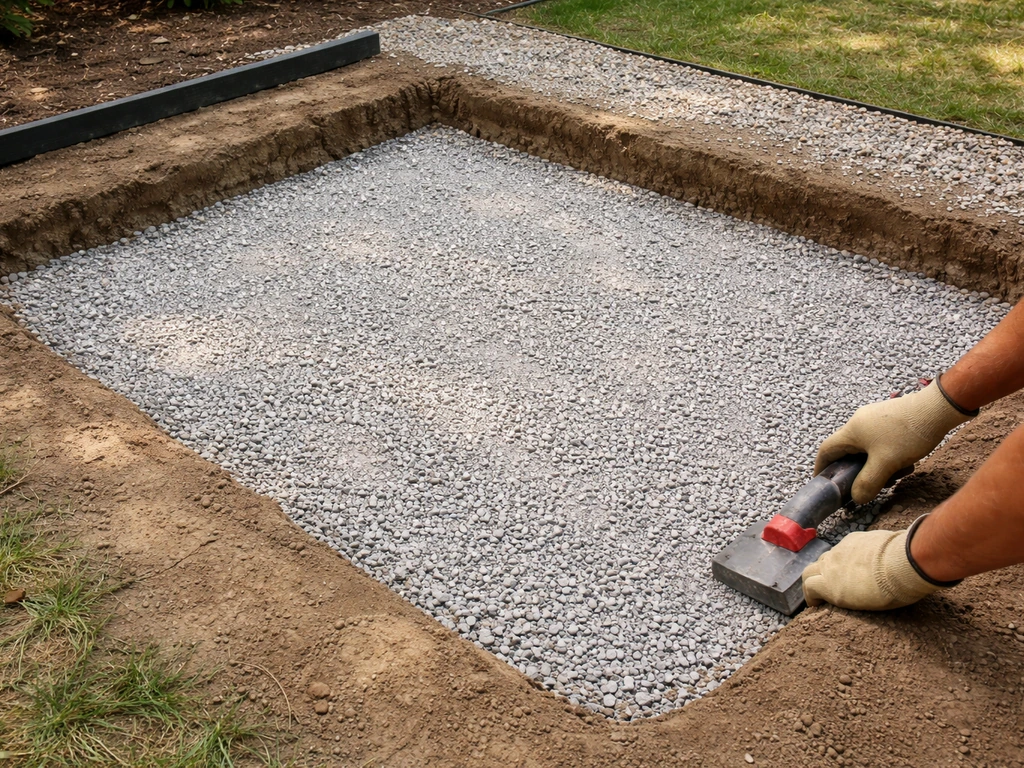
I've seen pea gravel patios fail within a single season, and in almost every case it came down to skipping the base prep or not installing edging. If you decide to keep stones in place with bonding solutions, the best glue for a pea gravel patio depends on your substrate, drainage needs, and expected traffic best glue for pea gravel patio. These are not optional steps. They're what separate a patio that stays looking good for years from one that turns into a patchy, weedy mess by summer's end.
Base preparation
Start by excavating 4 to 6 inches below your finished grade. The base layer should be 3 to 4 inches of compacted crushed stone (road base or Class II base rock works well). This angular aggregate packs tightly, creates stability, and allows drainage. A solid base is the best base for pea gravel patio success, since it stabilizes the surface and prevents shifting creates stability. On top of the base, lay a commercial-grade weed barrier fabric before adding your pea gravel. Landscape fabric is a debated topic, but for pea gravel specifically it's worth using because it prevents gravel from mixing down into the soil over time and helps with weed suppression, even if it doesn't eliminate weeds entirely.
Depth of pea gravel layer
Apply pea gravel at 2 to 3 inches of depth on top of your base and fabric. Less than 2 inches and the base fabric will show through quickly as the surface displaces. More than 3 inches and walking becomes unstable, like trudging through a ball pit. Two to two-and-a-half inches is the sweet spot for both appearance and function.
Edging and containment
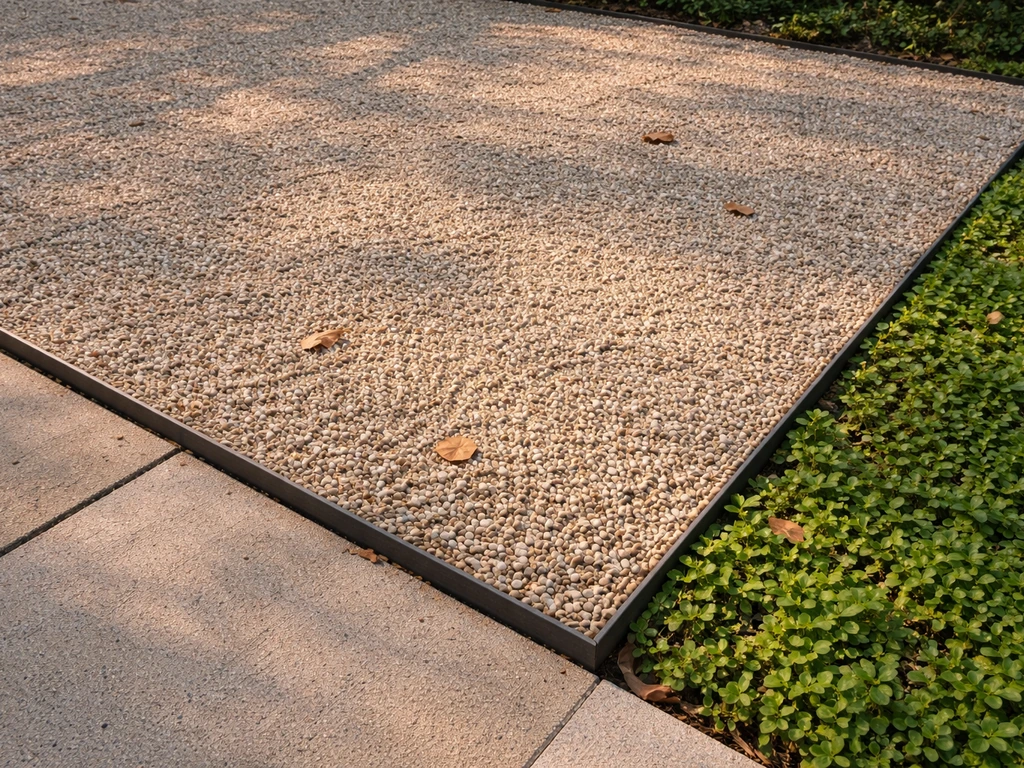
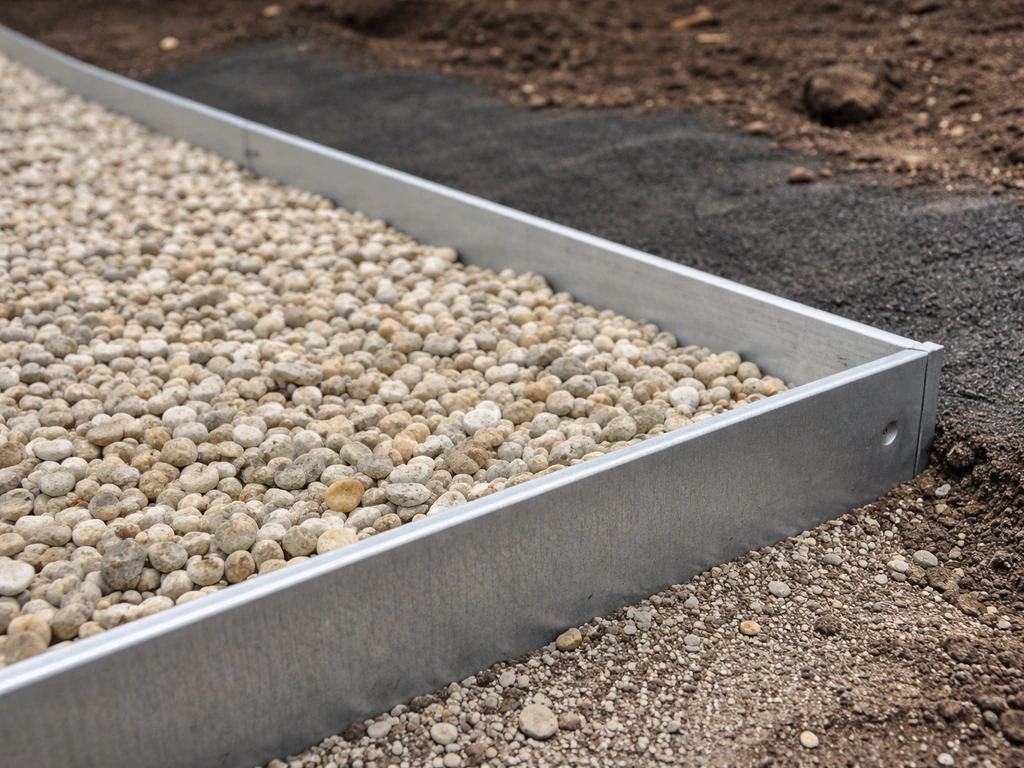
Edging is non-negotiable. blank" rel="noopener noreferrer">Without a solid border, pea gravel will migrate outward in every direction. Good edging options include steel or aluminum landscape edging spiked into the ground, pressure-treated lumber, concrete curbing, brick soldier courses, or natural stone borders. The edging needs to sit at least as high as the finished gravel surface, ideally 1/4 inch above it, to act as a true containment barrier. For detailed guidance on choosing the right border material, the best border for a pea gravel patio is worth reading before you source materials.
Grading and drainage
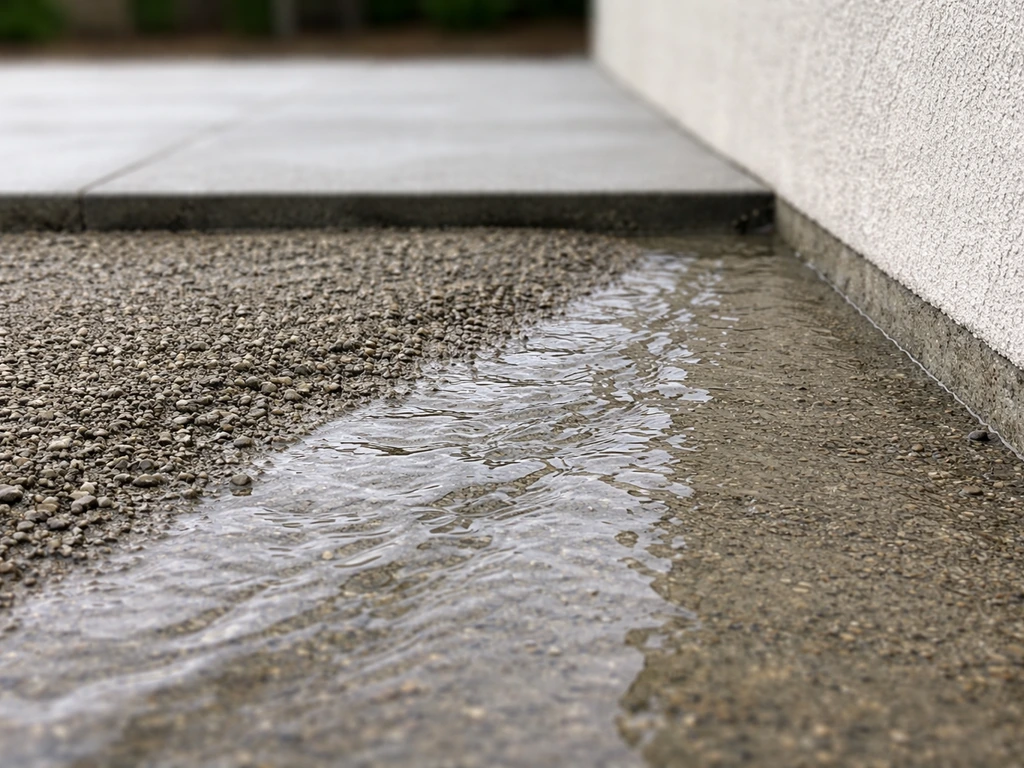
Grade the base layer with a very slight slope, about 1 percent (roughly 1/8 inch per foot) away from any structures. This directs surface water off the patio without being steep enough to accelerate gravel movement. Because pea gravel is highly permeable, most drainage happens vertically through the material, but you still want the base sloped so water doesn't puddle underneath.
Comfort, stability, and everyday usability
Walking on pea gravel barefoot is actually pleasant, which surprises people who've only experienced chunky crushed stone. The smooth rounded edges are easy on feet, and the surface gives a little, which some people prefer for standing around. That same give, however, creates problems the moment you put furniture on it.
Chair and table legs sink into loose gravel, tilt, and leave divots. Every time someone pulls a chair out, it scoops a little trail of gravel. Over a full outdoor dining season, a pea gravel patio under a table set starts looking like a choppy sea of ruts and ridges. Some homeowners solve this partially by placing a flat stepping stone or paver pad directly under each furniture leg, or by using furniture with wide flat feet or a base plate rather than thin legs. It helps, but it doesn't fully solve the issue.
For fire pit circles where chairs stay relatively still and the vibe is casual, pea gravel actually works well. For an outdoor kitchen or formal dining setup where you want a stable, level surface, you're better off with a solid material. Accessibility is also worth flagging: pea gravel is difficult to walk on with mobility aids and is not ADA-compliant, which matters if anyone in your household or regular visitors has mobility considerations.
Maintenance and keeping it in good shape over time
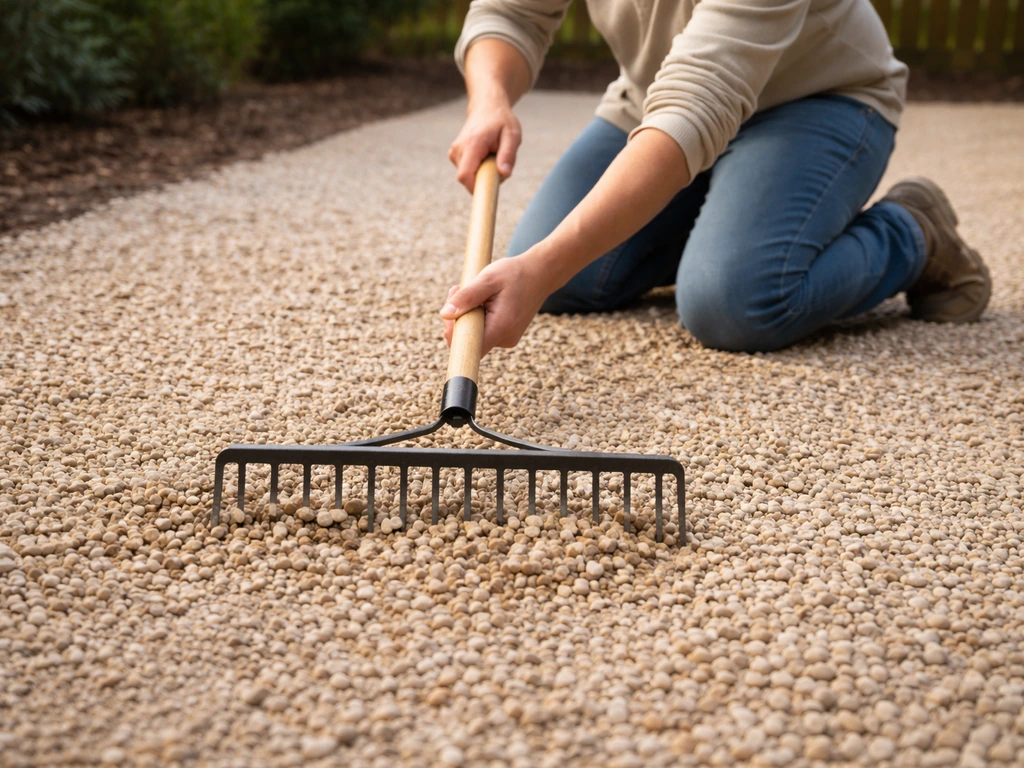
Pea gravel requires more ongoing maintenance than a hard patio surface, full stop. It's not a set-and-forget material. Here's what regular upkeep looks like in practice.
- Rake and redistribute: Plan to rake the surface every few weeks during active use to level out divots, high spots, and trails from foot traffic. A standard landscape rake works fine. In high-traffic spots, this might be weekly.
- Weed control: Even with a weed barrier, organic debris (leaves, dirt, seeds) collects on top of the gravel and weeds establish in that layer. Pull weeds by hand when they're small, or spot-treat with a targeted herbicide. A pre-emergent herbicide applied in early spring dramatically reduces weed germination.
- Replenish gravel annually: Expect to add a fresh top-up of gravel roughly once a year, or every two years if migration and loss are minimal. Gravel escapes through foot traffic, gets kicked out, and some fines wash away. A half-inch top-up per year keeps the depth consistent and the surface looking fresh.
- Leaf and debris removal: A leaf blower is faster than raking for clearing debris without disturbing the gravel. Blow at a low angle across the surface. Avoid raking leaves off pea gravel, because you'll move the gravel with them.
- Edge inspection: Check edging barriers each spring and after heavy rain. Re-stake any sections that have heaved or shifted to keep containment solid and prevent gravel from escaping.
Realistically, plan on 30 to 60 minutes of maintenance per month during the outdoor season if you want the patio to stay presentable. For homeowners who want a low-maintenance outdoor space, that's a dealbreaker. For those who don't mind a bit of weekend upkeep, it's manageable.
What it costs and how to source it well
Pea gravel is one of the most affordable patio materials available. Bulk pricing from a landscape supply yard typically runs between $25 and $55 per ton, depending on your region and whether it's washed and screened. One ton of pea gravel covers roughly 100 square feet at a 2-inch depth. Bagged pea gravel from home improvement stores runs $4 to $8 per 50-pound bag, which is fine for small top-ups but expensive for a full install. For anything over 150 square feet, order bulk delivery from a local landscape supplier, the per-unit cost is dramatically lower.
When sourcing, ask specifically for washed and screened pea gravel. Unwashed material contains fines (dust and small particles) that compact, muddy up in rain, and tend to encourage more weed growth. The washed product stays cleaner, drains better, and looks better long-term. Sizing matters too: 3/8-inch is the most popular patio size, offering good stability without being so small it packs like decomposed granite or so large it becomes uncomfortable underfoot. For a deeper breakdown of sizing and quality markers, the best pea gravel for patios covers what to look for before you buy. For a quick buying guide, it helps to know which stones perform best as a patio surface, including size, cleanliness, and how well they hold up over time best pea gravel for patios.
Installation labor, if you hire out, adds $1 to $3 per square foot depending on local rates and whether excavation and base work are included. A full pea gravel patio with professional base prep, edging, and installation typically comes in at $5 to $10 per square foot all-in, which is still well below flagstone, pavers, or porcelain tile.
Pea gravel vs other materials: a straight comparison
Before committing, it helps to see exactly how pea gravel stacks up against the alternatives you're most likely considering. The table below covers the options most relevant to homeowners choosing a patio surface today.
| Material | Cost (installed, per sq ft) | Stability | Maintenance | Drainage | Best for | Weaknesses |
|---|---|---|---|---|---|---|
| Pea gravel | $5–$10 | Low (shifts) | Moderate (raking, top-ups) | Excellent | Casual patios, paths, decorative fill | Migrates, unstable for furniture, ongoing upkeep |
| Crushed angular gravel / decomposed granite | $4–$8 | Moderate (packs better) | Low to moderate | Very good | Paths, driveways, rustic patios | Dusty when dry, muddy when wet, hard underfoot |
| River rock (larger, smooth) | $6–$12 | Very low (rolls) | Low (less weed intrusion) | Excellent | Decorative borders, water features | Very uncomfortable underfoot, not a functional patio surface |
| Flagstone | $15–$30 | High | Low (occasional sealing) | Moderate (depends on joints) | Permanent patios, formal spaces | High cost, harder DIY install |
| Porcelain tile (outdoor) | $20–$40 | Very high | Very low | Poor if not graded well | Modern, high-end patios | Slippery when wet, expensive, rigid subbase required |
| Brick | $15–$25 | High | Low to moderate (re-leveling over time) | Moderate | Traditional, classic patios | Heaves in freeze-thaw, needs firm base |
| Natural stone (bluestone, travertine) | $20–$45 | High | Low (sealing recommended) | Moderate | Upscale permanent patios | High cost, heavy, professional install recommended |
| Composite / rubber pavers | $10–$20 | High | Very low | Good (permeable options) | Modern low-maintenance spaces | Limited aesthetic options, higher upfront cost than gravel |
Pea gravel vs angular / crushed gravel
If stability is your main concern but you still want a loose-surface look, angular crushed gravel or decomposed granite is a better pick than pea gravel. Angular particles lock together under compaction, creating a firmer surface that doesn't shift nearly as much under furniture or foot traffic. The tradeoff is that it's harder underfoot and can be dusty or muddy depending on the specific material. The river rock vs pea gravel comparison is worth considering too: river rock is smooth and attractive but even less stable than pea gravel for walking, making it best reserved for decorative uses rather than functional patio surfaces.
When to skip gravel entirely
If your patio will see daily use, host frequent outdoor dining, or serve as your primary entertaining space, invest in a solid surface. Flagstone, natural stone, or even well-installed brick will serve you better over ten years than any loose gravel option, because you won't be fighting migration, leveling, and weed intrusion season after season. The upfront cost is higher, but the total maintenance time and long-term replenishment costs narrow that gap more than most homeowners expect. If you're weighing those options carefully, the alternatives to a pea gravel patio covers the full range of substitutes worth considering.
Is pea gravel the right call for your patio?
Here's the honest summary. Pea gravel is a genuinely good patio material if you're working with a modest budget, want a casual and natural aesthetic, don't need a high-traffic primary entertaining surface, and are willing to spend a little time each month keeping it in shape. It's also one of the easiest materials to install yourself, which stretches the budget further. Do the base right, install solid edging, use washed and screened 3/8-inch gravel at 2 to 2.5 inches of depth, and lay a weed barrier underneath. Those four steps resolve most of the complaints people have about pea gravel patios.
If you want zero-maintenance, solid footing for furniture, or a formal appearance, pea gravel will frustrate you. Choose flagstone, porcelain, brick, or natural stone instead and budget accordingly. The good news is that those decisions are clear-cut once you know how you plan to use the space. Think through your actual daily use patterns before you order materials, and you'll land on the right choice without second-guessing it later. If you want to sanity-check the real-world tradeoffs, pea gravel patio reviews are a great place to see what homeowners experience after installation.
FAQ
Is pea gravel good for a patio if I need it to be level and stable for outdoor dining?
It can work in low-traffic areas, but for dining it is usually not stable enough because table and chair legs sink and leave ruts. A practical compromise is to place paver or stepping-pad “leg zones” under each chair leg (or use furniture with wide, flat feet and base plates) so the gravel load is spread out.
How do I keep pea gravel from washing away during heavy rain?
The key is correct edging height plus a properly sloped base. Make sure your edging sits slightly higher than the finished gravel (about a quarter inch) and that the base falls gently away from structures so water exits the patio rather than flowing across it and carrying stones with it.
Do I need both weed barrier fabric and a geotextile underlayment?
For most pea gravel patios, one layer of weed barrier fabric is the relevant requirement. Don’t stack multiple overlapping fabrics without a plan, because excess layers can trap moisture or create uneven settling; focus on coverage seams (overlap and tape if needed) and keep fabric taut over the base before gravel placement.
Will pea gravel compact, or stay loose forever?
Pea gravel typically does not “lock” like angular stone, but the surface layer can compact over time, especially if you used unwashed material with fines. If you see a muddy, cement-like layer after rain, that is a sign the gravel likely contains too many fines and may need top-up with washed and screened stone.
How often should I rake and top up pea gravel to keep it looking good?
Expect periodic raking in spring (especially in freeze-thaw climates) and light top-ups during the season. A good decision rule is to rake after the first major rain cycle and refill only where the fabric or base is showing, rather than trying to maintain a perfectly uniform depth everywhere.
Can I install pea gravel over existing soil or grass?
Not reliably. Skipping excavation and compaction is a common failure point because the gravel migrates and the surface becomes uneven. If you must adapt, remove organic material, compact the subgrade, and still build a compacted crushed-stone base layer, otherwise you will end up doing maintenance far sooner than expected.
Is pea gravel safe to walk on for kids and pets?
Barefoot comfort is generally good, but small stones can track into the house, and loose gravel can be irritating for some pets’ paws. Consider adding a small gravel-free transition mat or a paver strip at doorways, and keep edging tight so stones don’t spread into walk paths.
Does pea gravel work in freeze-thaw climates, or will it heave?
It can work, but you should plan for movement. Freeze-thaw causes settling and redistribution because the base and top layer are not rigid, so build with a stable compacted base and expect to do a seasonal redistribution and re-leveling after winter.
What thickness of pea gravel is best, and what goes wrong when it’s too thin or too thick?
Around 2 to 2.5 inches is usually the sweet spot. Under about 2 inches, the fabric shows and the base gets exposed as the surface displaces. Over about 3 inches, the surface becomes unstable enough to feel like walking through loose fill.
Can I use pea gravel around a pool or near standing water?
Possibly, because drainage is one of its strengths, but ensure the base is built to direct water away and that edging prevents migration. Also confirm that the patio grade and waterproofing around pool structures are handled correctly, since any drainage issues will affect surrounding materials.
Is pea gravel ADA-compliant for accessibility needs?
Generally no. Loose, shifting aggregate is not considered suitable for ADA accessibility requirements, especially with mobility aids. If accessibility matters, choose a rigid surface (brick, pavers, flagstone, or another stable option) or create dedicated accessible paths with firm materials.
Should I use a weed barrier, or will I still get weeds?
Weed barrier fabric reduces weed intrusion, but it usually does not eliminate all weeds. Weed seeds can arrive from soil carried in on shoes or mulch nearby, and tears or gaps in the fabric will also invite growth, so inspect seams and keep top-up gravel clean.