For most homeowners, bluestone and granite are the best all-around patio stones. Bluestone gives you that classic, natural look with solid durability and reasonable cost (roughly $15 to $30 per square foot installed). Granite is the most freeze-thaw resistant option you can buy, making it the right call if you live somewhere that regularly dips below freezing.
What Stone Is Best for Patio Floors: Top Picks
Nolan Ellison
11 Jun 2026
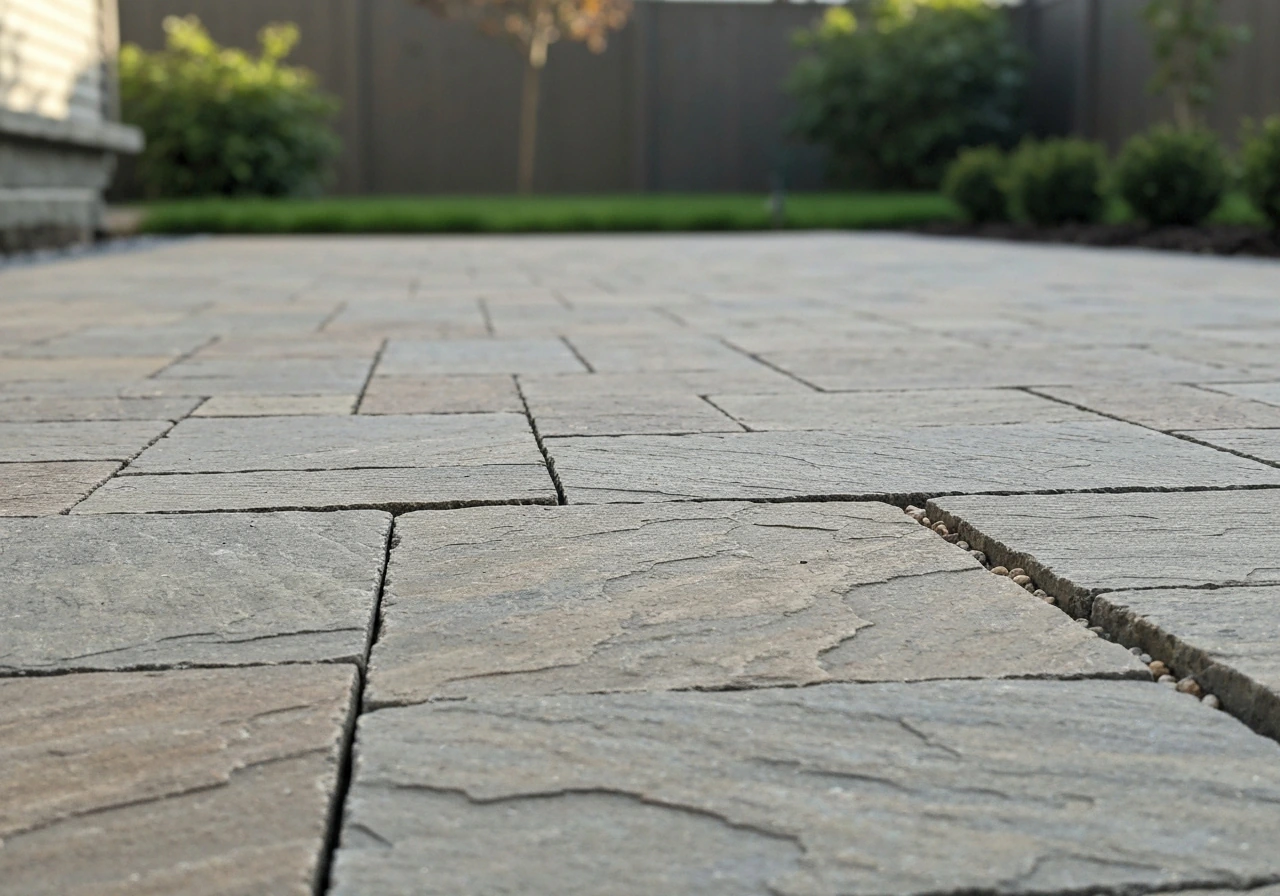
Flagstone (a catch-all term for flat-cut sedimentary stone like sandstone, limestone, or slate) works beautifully for organic, casual patios but needs more maintenance. If your budget is tight or you want zero maintenance, porcelain pavers beat every natural stone on longevity and stain resistance, though the look is more manufactured.
The "best" stone really does shift depending on your climate, how the patio gets used, and what you're willing to spend and maintain over time, so let's work through the decision properly. If you want the best stone for a backyard patio, start by matching the material to your climate, use, and maintenance expectations.
For most homeowners, the best rock to use for a patio is the one that matches your climate, your maintenance tolerance, and the way the space will be used.
How to choose the best patio stone for your space
Before you fall in love with a stone at the yard, nail down three things: your climate, your traffic, and your honest budget. Everything else is secondary.
Climate is the biggest deciding factor
In freeze-thaw climates (basically anywhere that sees hard winters), water absorption is the number one concern. When water seeps into a porous stone and freezes, it expands and eventually cracks the surface. U. S.
GSA’s “Checklist for Inspecting Stone Masonry Failures” provides an authoritative inspection framework for assessing stone condition, including patterns associated with freeze-thaw damage freeze-thaw cycles crack porous stone surfaces. Look for stone with water absorption under 0.
5% by weight, which is why granite and porcelain are the gold standard for cold climates. Limestone and sandstone are more porous and require diligent sealing to survive repeated freeze-thaw cycles. In warm, wet climates the concern flips to slip resistance and moss/mildew buildup. In dry, sunny climates, heat retention and fade resistance matter most.
Match the stone to how the patio gets used
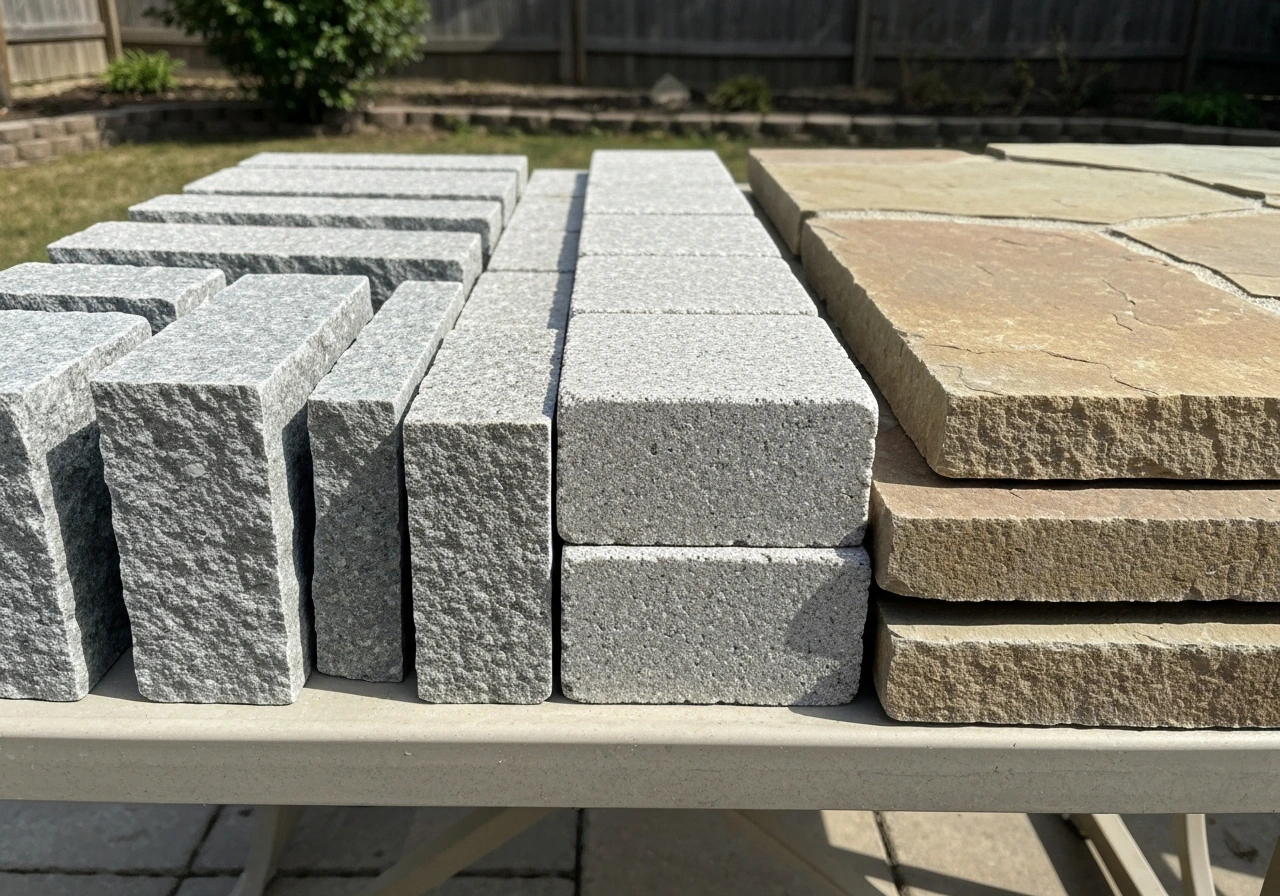
A patio that doubles as a party space with heavy furniture, grills, and foot traffic needs something dense and hard, like granite or thick bluestone (1.5 inches minimum). A quiet sitting area or garden path can handle a softer stone like limestone or irregular flagstone. If you have dogs, rough-textured stones like brushed granite or natural cleft slate give paws better grip and hide scratches. If you entertain a lot and spill drinks and food regularly, avoid limestone and travertine, which etch and stain easily, and go for granite or a sealed bluestone instead.
Budget: what the numbers actually mean
Flagstone patios run about $15 to $27 per square foot on average, with installed costs ranging from $15 to $30 per square foot depending on stone type and your market. Irregular flagstone on a sand setting is typically cheaper to install than cut stone set in mortar. Granite pavers sit near the top of the natural stone price range. Porcelain can be comparable in material cost to mid-range natural stone but often saves money over time because it needs almost no sealing or specialized care. Always price installed cost, not just the stone, because a cheaper stone with expensive labor or thick base requirements can end up costing more than a pricier stone that installs faster.
Top natural stone options for patio floors
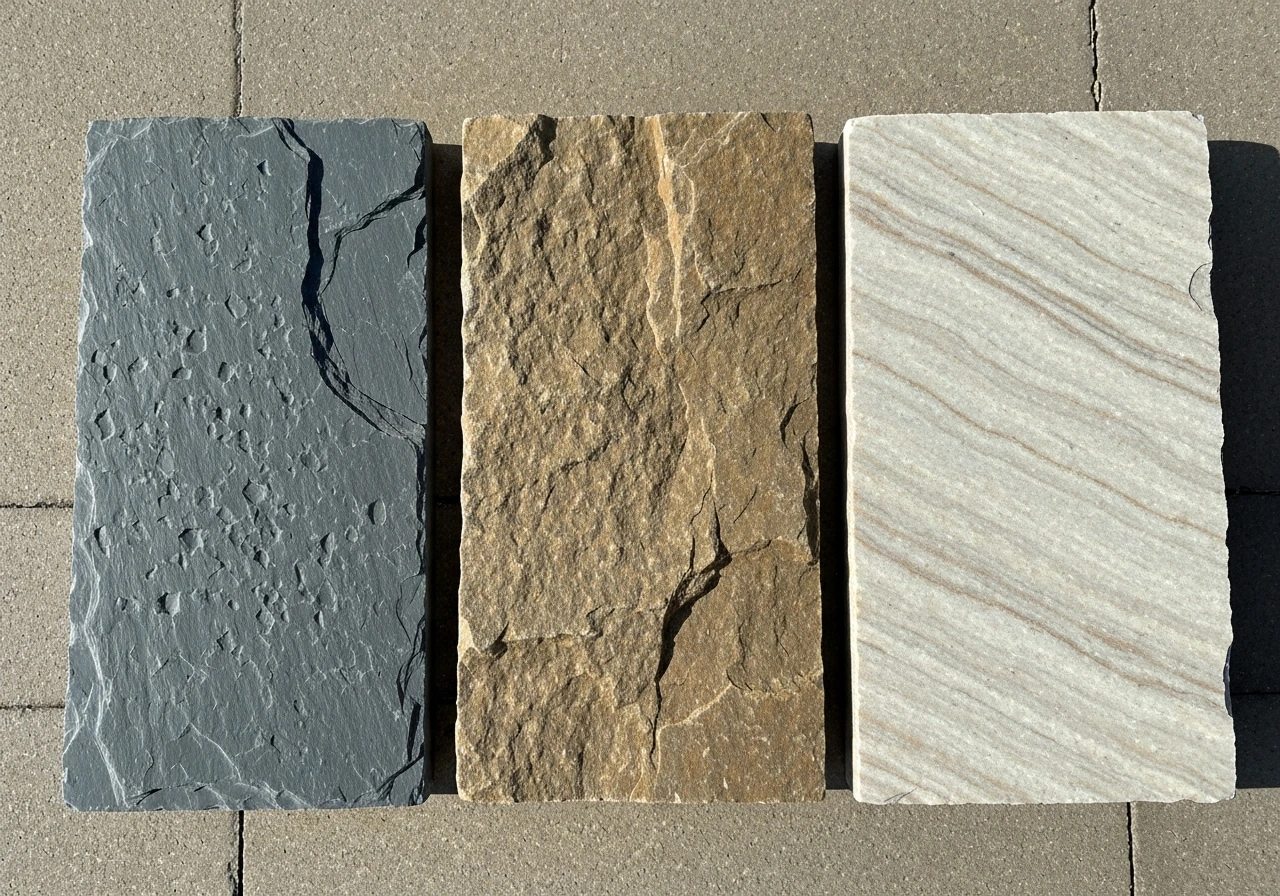
Here is how the main stone types stack up for actual patio walking surfaces. These are the options worth seriously considering, not everything you could technically lay on the ground.
| Stone Type | Best Climate | Durability | Slip Resistance | Maintenance | Relative Cost |
|---|---|---|---|---|---|
| Bluestone | All climates (seal in cold zones) | High | Good (natural cleft finish) | Moderate (seal every 3–5 yrs) | Mid-range |
| Granite | All climates, especially cold | Excellent | Good (brushed/flamed finish) | Low (seal every 3–5 yrs) | Higher |
| Flagstone (sandstone) | Mild to moderate climates | Moderate | Good (natural texture) | Moderate (seal every 2–3 yrs) | Lower–Mid |
| Limestone/Travertine | Warm/dry climates only | Moderate | Moderate (honed OK, avoid polish) | High (seal every 1–2 yrs) | Mid-range |
| Slate | Moderate climates | Good | Excellent (natural cleft) | Moderate (seal every 2–4 yrs) | Mid-range |
| Porcelain Pavers | All climates | Excellent | Good (textured outdoor grades) | Very Low (no sealing needed) | Mid to Higher |
Bluestone
Bluestone is probably the most popular patio stone in the northeastern U.S. for good reason: it looks great, cuts cleanly into uniform pieces or splits into natural cleft surfaces, holds up well under foot traffic, and is available in both irregular and cut formats. The natural cleft finish gives excellent grip in wet conditions. It does need sealing in freeze-thaw climates and can develop a white haze (efflorescence) if moisture gets beneath it, so base prep matters a lot. One thing to know: stated bluestone dimensions often differ slightly from actual measurements, so when planning a cut-stone layout, account for grout joints in your spacing.
Granite
Granite is the hardest and densest natural patio stone you can realistically buy. Its very low water absorption (well under 0.5%) means it handles freeze-thaw better than almost anything else in the natural stone category. A flamed or brushed finish gives it excellent traction. The downsides are cost and weight: it is heavier to work with and typically more expensive than bluestone or sandstone. If you are in a cold climate and want natural stone that will genuinely last decades with minimal drama, granite is the call.
Flagstone (sandstone, bluestone slabs, quartzite)
Flagstone is a shape and format descriptor more than a specific stone type. It usually means flat, irregularly shaped pieces of sedimentary or metamorphic stone, often sandstone, quartzite, or limestone. The organic, puzzle-piece look is a big reason people choose it. Sandstone flagstone is more porous and softer than granite or bluestone, making it less ideal for cold climates unless sealed aggressively. Quartzite flagstone is significantly harder and more freeze-resistant. When shopping, ask specifically what the stone is, not just that it is flagstone, because durability varies enormously between species.
Limestone and travertine
Beautiful in warm climates and perfect for a Mediterranean or resort-style look. The problem is that both are calcium carbonate stones, which means acidic spills (wine, citrus, rain in polluted areas) etch and dull the surface over time. They are also more porous, so they stain more easily and need sealing every one to two years in outdoor use. In a freeze-thaw climate, I would avoid both unless you are committed to annual maintenance and very thorough sealing. In a dry, warm climate like Arizona or Southern California, they can be stunning and relatively manageable.
Slate
Slate's natural cleft surface gives it outstanding grip, which makes it a great choice for wet climates or poolside areas. It splits into thin, relatively lightweight pieces. The main watch-out is that some slate (particularly imported varieties) can delaminate over time, especially if it gets wet repeatedly and the freeze-thaw cycle works into the layers. Stick with high-quality Brazilian or domestic slate and seal it every two to four years to keep it in good shape.
Flagstone and irregular stones vs uniform pavers: look, feel, and install
This is one of the most common trade-offs homeowners wrestle with, and the right answer depends on your aesthetic and your DIY comfort level.
Irregular flagstone gives a relaxed, natural look that fits cottage gardens, informal entertaining spaces, and yards with a lot of organic planting. The joints between pieces are wider and uneven, typically filled with polymeric sand, decomposed granite, or even planted with ground cover. Setting irregular flagstone is more forgiving for a DIYer because you are not trying to keep a perfect grid, but the tradeoff is more time spent fitting pieces together and more variation in surface height if you are not careful with leveling each piece individually.
Uniform cut pavers (whether granite, bluestone, or porcelain) give a cleaner, more architectural look and are faster to lay in a pattern because the pieces are consistent. The consistent thickness also makes it easier to maintain a flat, level surface. The joints are tighter and typically filled with polymeric sand or mortar grout. Cut stone patios tend to cost more in material because of the additional processing, but installation labor can be faster.
For foot feel, irregular natural stone feels more tactile and uneven underfoot, which some people love and others find uncomfortable (especially in bare feet or heels). Uniform cut stone feels more like a solid floor. If you are building a space where people will walk barefoot regularly, like near a pool, uniform cut stone or smooth flagstone with tight joints is more comfortable. For a garden path or casual seating area, irregular flagstone is perfectly pleasant.
Installation essentials for stone patios
The most common reason a stone patio fails, whether it is cracking, settling unevenly, or developing drainage problems, comes down to base preparation, not the stone itself. Get the base right and almost any stone will last for decades.
Base depth and materials
The standard base for a pedestrian patio is 4 inches of compacted crushed stone aggregate (gravel) topped with 1 inch of bedding sand. In sandy or gravelly native soil, 4 to 6 inches of compacted aggregate is the recommended range. The gravel must be compacted in lifts, not just dumped in. Lay a geotextile fabric under the gravel base to prevent fine soil from migrating up into the aggregate over time, which is one of the main causes of long-term settlement. In cold climates with deep frost lines, some builders go to 6 or even 8 inches of base to get below the frost, but 4 inches is the standard minimum for patios.
Drainage slope
Every stone patio needs to slope away from the house. The standard recommendation is a 1-inch drop for every 8 feet of patio. That is not visible to the eye but it is enough to move water away consistently. If water pools near the foundation, you will get basement moisture problems and the freeze-thaw cycle will attack your base and your stone from below. Set this slope in your sub-base, not by trying to adjust the pavers on top.
Jointing and polymeric sand
For most sand-set natural stone and paver patios, polymeric sand is the best joint filler. It uses water-activated polymer binders that harden the joint material to resist washout, weed growth, and insect intrusion. The installation process matters: run a plate compactor (with a rubber pad to protect the stone) over the entire surface twice before applying polymeric sand. Sweep the sand into the joints dry, then activate with a fine mist of water.
Do not apply when rain is forecast within 8 hours, and never sweep polymeric sand over damp stone surfaces, as it will bond to the surface and leave a haze that is difficult to remove. Allow 24 to 36 hours of cure time before using the patio. On natural stone specifically, wait at least 24 hours after any rain before applying, and make sure the surface is fully dry first.
Stone thickness
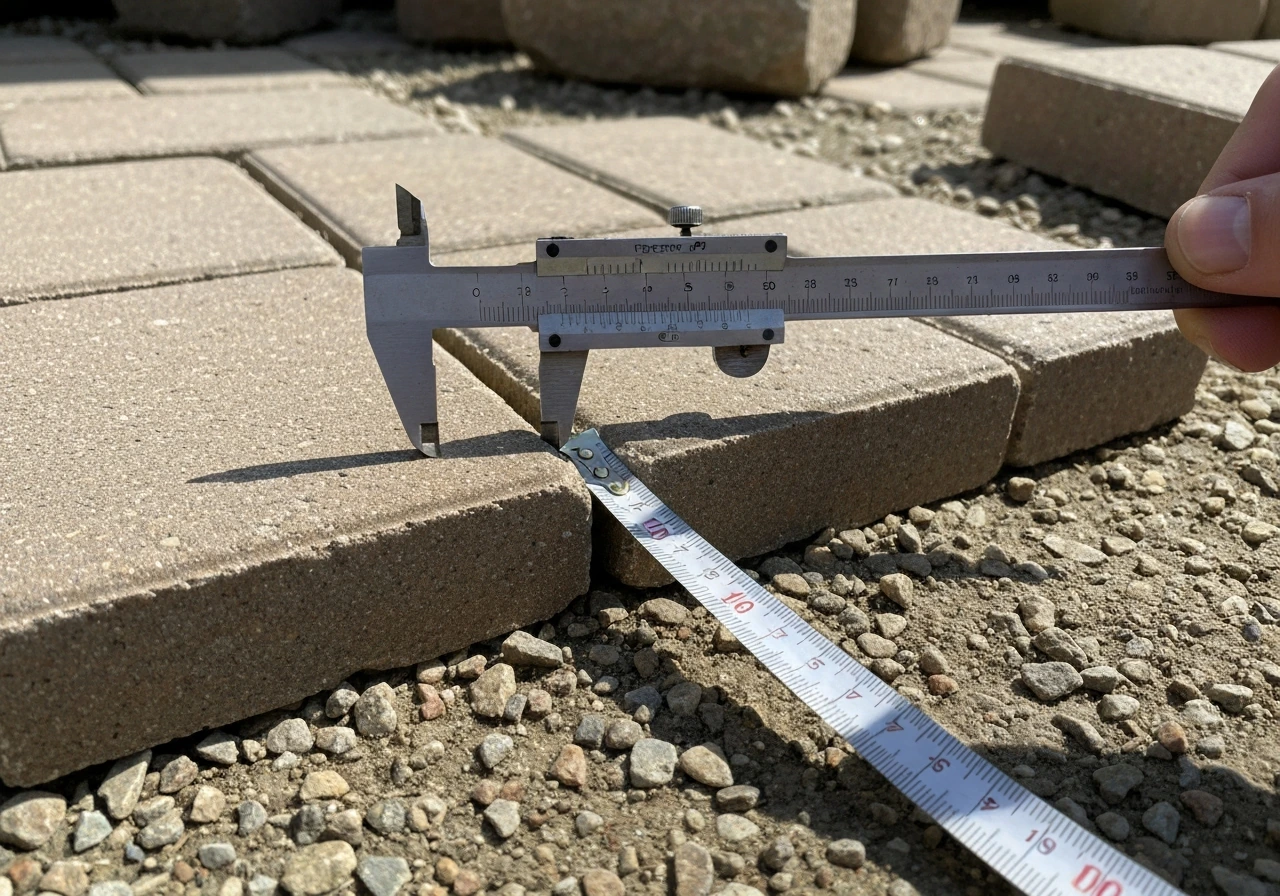
For a patio walking surface, use a minimum of 1.25 inches (about 30mm) of stone thickness for uniform cut pavers, and at least 1.5 inches for flagstone or irregular pieces that will span wider joints. Thinner pieces are fine for wall cladding or indoor floors but crack easily underfoot outdoors, especially if the base has any soft spots. For high-traffic patios or those supporting heavy furniture and grills, 2-inch thickness gives you an extra margin of safety.
Safety and comfort factors
Slip resistance
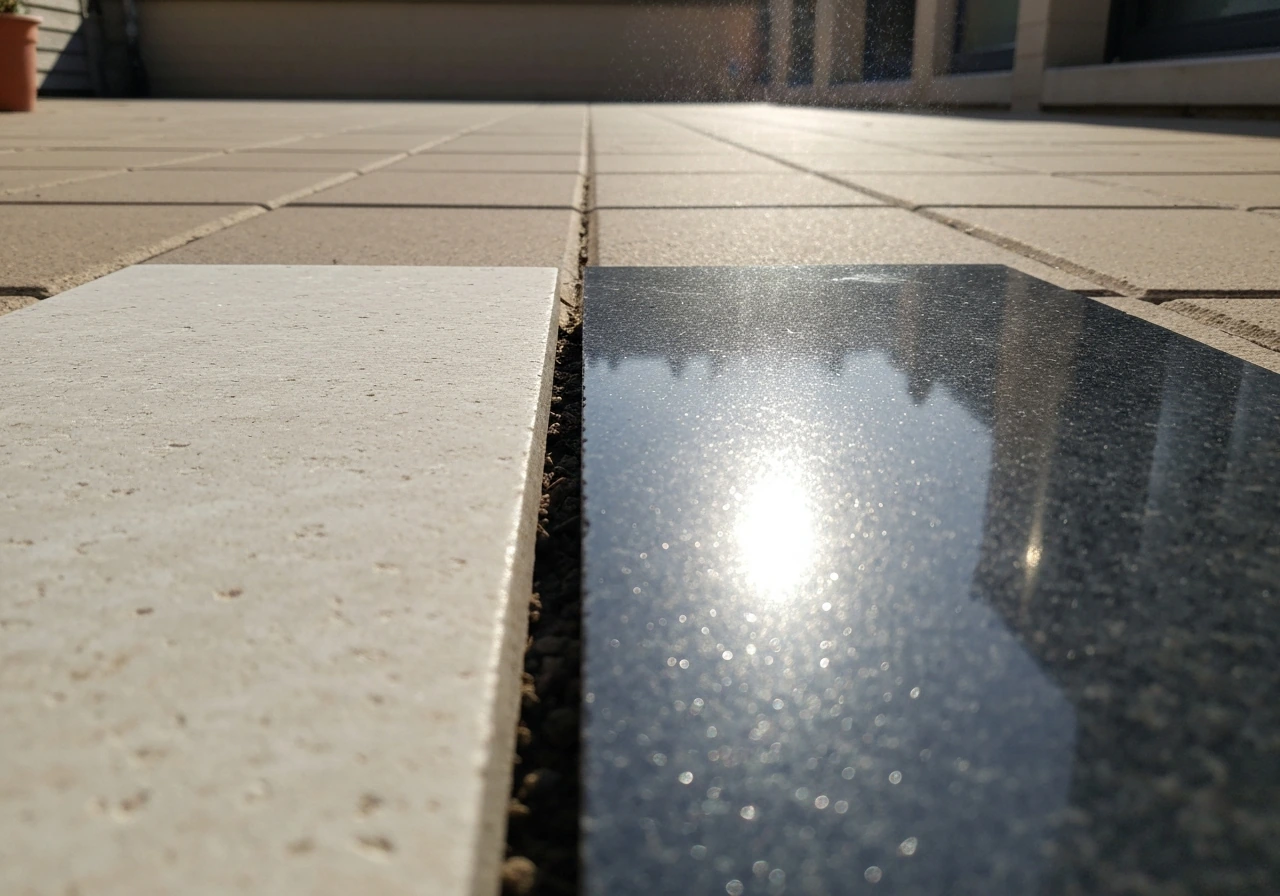
For any outdoor patio surface, you want a wet DCOF (Dynamic Coefficient of Friction) of 0.42 or higher. This is the threshold used in ADA and tile industry guidelines for safe walking surfaces in wet conditions. Natural cleft surfaces (bluestone, slate, quartzite) generally meet this comfortably. Honed finishes are acceptable for most outdoor use, but avoid polished stone on any area that gets wet. Polished granite or limestone is appropriate for indoor use only. When buying porcelain pavers for outdoor use, confirm the product is rated for exterior use with a textured surface finish, not a polished floor tile.
Heat retention
Dark stone absorbs and retains heat significantly more than light stone. Dark granite or dark slate on a sun-exposed patio in a hot climate can become uncomfortably hot to walk on barefoot by midday. If you are in a warm climate, choose lighter-colored stone (beige limestone, light bluestone, buff sandstone) or make sure there is shade coverage. Lighter porcelain is actually quite good in hot climates because it tends to reflect more heat than dark natural stone.
Uneven settling and tripping hazards
Even with a perfect base, large irregular flagstone pieces can settle unevenly over time as the soil beneath them compacts differently. The edges of pieces can lift slightly and create a lip that is easy to trip on. This is more common with sand-set flagstone than with mortar-set or interlock paver systems. If you have older family members or young children using the patio regularly, prioritize a uniform cut-stone system with tight joints over wide irregular flagstone.
Pets
Dogs do well on rough-textured natural stone like natural cleft bluestone, slate, or brushed granite. Their nails actually grip better on these surfaces than on smooth concrete or polished stone. The concern with pets is more about the joints: wide sand-filled joints in irregular flagstone get dug at by dogs and can erode quickly. Polymeric sand helps, but if you have a dedicated digger, a mortar-grouted cut stone patio or a tightly laid interlock system gives you less to fight with over time.
Maintenance, sealing, and long-term durability
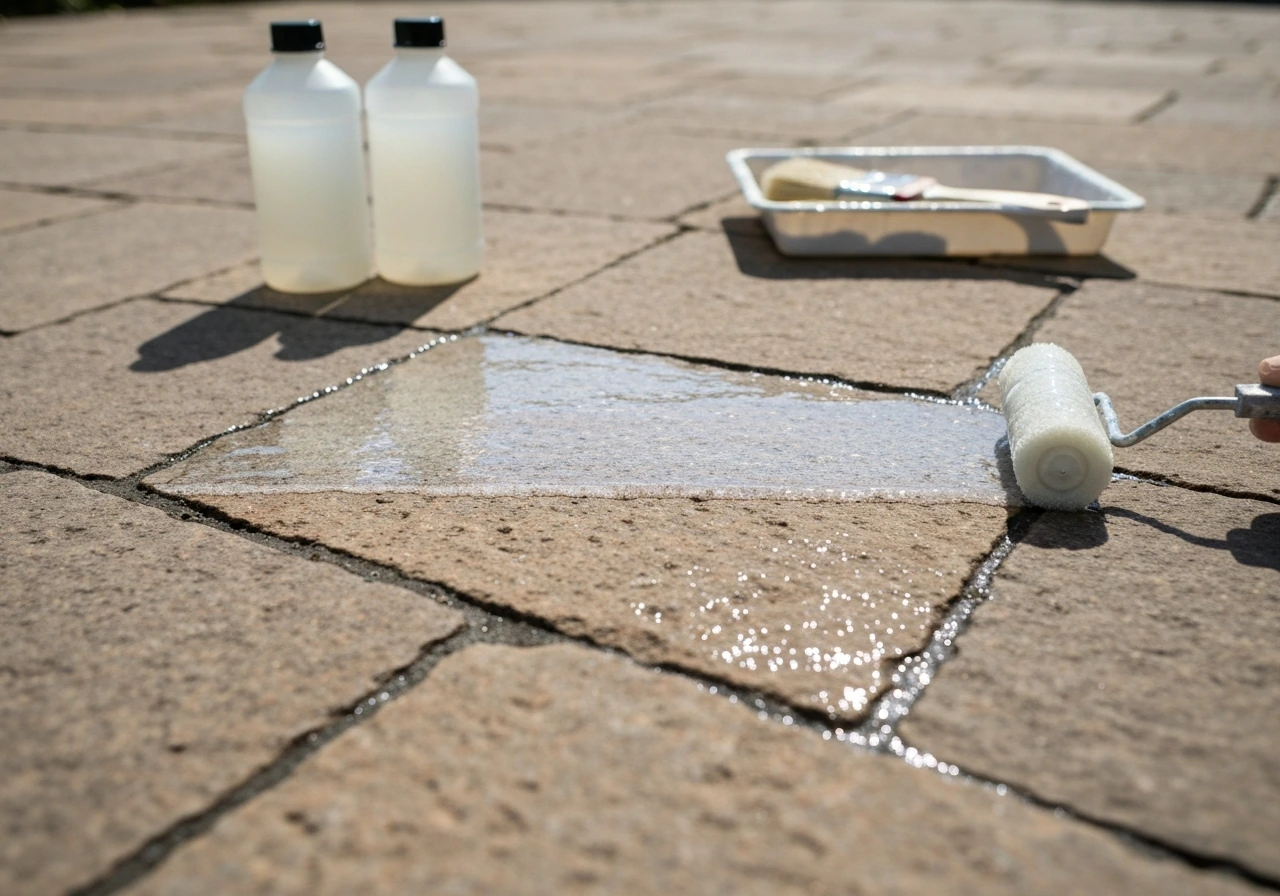
How much time you want to spend maintaining your patio every year is a completely legitimate factor in choosing a stone. Here is an honest picture of what each option demands.
| Stone Type | Sealing Frequency | Weed/Joint Care | Stain Risk | Freeze-Thaw Durability | Lifespan (with proper care) |
|---|---|---|---|---|---|
| Granite | Every 3–5 years | Low (tight joints) | Low | Excellent | 50+ years |
| Bluestone | Every 3–5 years | Moderate | Moderate | Good (sealed) | 30–50 years |
| Slate | Every 2–4 years | Moderate | Moderate | Moderate | 25–40 years |
| Sandstone Flagstone | Every 2–3 years | Higher (wider joints) | Higher | Fair (seal required) | 15–30 years |
| Limestone/Travertine | Every 1–2 years | Moderate | High (etching) | Poor in cold climates | 15–25 years (warm climates) |
| Porcelain Pavers | None required | Low (tight joints) | Very Low | Excellent | 40+ years |
For sealing, use a penetrating (impregnating) sealer rather than a film-forming topcoat for outdoor stone. Penetrating sealers soak into the stone and protect from within without creating a slippery film on the surface. Some penetrating paver sealers claim protection ranges of up to 10 years, though real-world performance depends heavily on traffic and climate. For limestone and travertine outdoors, stick to the 1 to 2 year interval regardless of label claims. For granite and bluestone, every 3 to 5 years is realistic.
Weed control in joints comes down to your jointing material. Polymeric sand is far better than regular sand at suppressing weed growth because the hardened joint leaves no loose soil for seeds to germinate in. Even so, some weeds will eventually find their way in, especially at the edges. A quick spray with a weed killer in early spring is usually all the maintenance needed on a well-installed polymeric sand joint. If you are using mortar grout, check for cracked or missing grout each spring and repoint as needed.
For routine cleaning, a garden hose and a stiff brush handle most outdoor stone maintenance. Pressure washing is fine on granite and hard bluestone but can erode softer sandstone and loosen joint sand if aimed directly at joints. For stains, use a pH-neutral stone cleaner. Acidic cleaners (including vinegar) will etch limestone and travertine and can dull sealer coatings on other stone types.
Quick decision checklist and sourcing tips before you buy
Decision checklist
- Does your climate have hard freezes? If yes, choose granite, bluestone (sealed), quartzite flagstone, or porcelain. Avoid limestone, travertine, and soft sandstone.
- Is the patio in full sun in a hot climate? Choose a light-colored stone to reduce heat retention underfoot.
- Do you have high foot traffic, dogs, or heavy outdoor furniture? Choose a stone 1.5 inches or thicker. Dense stone (granite, bluestone, quartzite) handles this best.
- Do you want a natural, informal look? Irregular flagstone or natural cleft bluestone. Clean, architectural look? Uniform cut pavers in granite, bluestone, or porcelain.
- How much time do you want to spend on maintenance? Porcelain = lowest effort. Granite and bluestone = moderate. Limestone and travertine = highest effort outdoors.
- What is your installed budget per square foot? Under $20: sandstone flagstone or basic bluestone may work. $20–$30: bluestone, slate, mid-range granite. Over $30: premium granite, large-format porcelain.
- Is slip resistance a concern (near a pool, rainy climate, elderly users)? Confirm any stone or porcelain has a wet DCOF of 0.42 or higher. Stick to natural cleft or textured/brushed finishes.
How to inspect stone before you buy
When you visit a stone yard, do not just look at a display sample. Pull pieces from the actual pallet or lot you are buying from, because color, thickness, and quality vary within a single shipment. Here is what to check on each piece:
- Consistent thickness within your chosen lot (variation over 1/4 inch will make leveling much harder)
- No visible cracks, spalling edges, or delamination (on slate, check that the layers are not separating)
- Uniform color tone across the lot, or confirm you are comfortable with natural variation
- Surface finish matches what you expect: natural cleft, honed, or brushed (not polished for outdoor use)
- Ask the supplier for the stone species name and origin, not just a marketing name, so you can verify absorption and durability specs
- For freeze-thaw climates, ask if the supplier can confirm water absorption under 0.5% (granite and porcelain will meet this easily; sandstone and limestone often will not)
Where to source patio stone
Local stone yards almost always give you better selection, more knowledgeable staff, and the ability to inspect the actual lot before buying compared to big-box stores. Big-box stores are fine for uniform concrete pavers and some porcelain products, but for natural stone, a regional stone yard is worth the extra trip. For large projects, get quotes from at least two suppliers and compare price per square foot on the same stone species and thickness. Prices for stone vary more regionally than most people expect, and proximity to quarry sources (bluestone in the Northeast, granite in New England and the South) can make a real difference in cost.
If you are looking at crushed stone or loose aggregate for fill or loose-laid areas rather than a solid patio floor, those choices involve different trade-offs around compaction, drainage, and comfort. For a loose stone path or fill area, focus on drainage and stability so the aggregate stays comfortable underfoot and does not shift best loose stone for patio.
If you are specifically shopping for patio base material, the best crushed stone is the one that compacts well and drains cleanly, so it supports the surface you install on top best crushed stone for patio. Similarly, pool-adjacent patios have specific slip and heat requirements that narrow the field further toward light-colored, textured granite or porcelain.
The principles above apply across all those use cases, but the best stone for a pool deck or a loose stone path will weight certain factors differently than a standard entertaining patio.
FAQ
If I’m in a freeze-thaw climate, is granite always the safest pick, or are there surprises?
In cold climates, the usual “best” choice is granite or porcelain, but you should still confirm the stone’s water absorption spec (for example, under 0.5% by weight) and verify the finish is textured, not polished. Polished or honed surfaces can look great, but they can become slick when wet.
What should I look for when choosing porcelain pavers for an outdoor patio in winter?
Yes. Porcelain can be the lowest maintenance option outdoors, but only if you buy exterior-rated pavers with a textured surface. Also ask whether it’s intended for freeze-thaw exposure in your region, since some “porcelain-looking” products are not truly rated for exterior conditions.
Why do my bluestone patio measurements keep coming out wrong?
Not necessarily. “Bluestone” often means different regional cuts and even slightly different actual dimensions than what’s listed. Before you order, measure a few sample pieces and plan your grout joint spacing so you do not end up short on material or with uneven strip lines.
What joint filler is best if I want the least weeds and the fewest repairs?
If your goal is minimal maintenance and strong weed suppression, use polymeric sand joints for most sand-set patios. If you plan to use mortar grout instead, expect spot repairs each spring (repointing cracked or missing grout) rather than occasional joint top-ups.
How can I verify traction on a specific stone finish before I buy?
Use at least a wet-area safe friction value target (the article mentions 0.42 or higher). In practice, avoid polished stone anywhere it gets wet (poolside, entry by a door, steps). Also test traction with actual conditions, pouring a small amount of water on a sample piece and walking on it.
Will a thinner stone crack if my base is properly built?
For a patio that gets a lot of furniture and grills, prioritize thickness and base consistency, then consider granite or thick bluestone. If you choose thinner stone, your limiting factor becomes base quality, and soft spots can telegraph through as unevenness within a season.
Is irregular flagstone less safe to walk on than cut pavers over the years?
Yes. Large irregular pieces can shift slightly as the sand-set base compacts over time, creating a lip you can trip on. If you have children, mobility concerns, or you want a more uniform surface, cut stone with tighter joints or an interlock-style system is usually safer long-term.
What’s the best patio stone choice if I have a dog that digs at joints?
For dogs, the stone matters less than the joint system. Wide sand-filled joints are prone to being dug and eroding. A tightly installed cut-stone patio with mortar grouted joints or very stable interlock patterns typically holds up better than loose-fill joints.
How do I prevent my patio from becoming too hot to walk on barefoot?
Heat buildup is mostly about color and finish, not just the “type” of stone. Dark granite and dark slate can become painfully hot in sun, so in hot regions choose lighter-colored stone or plan shade coverage (umbrellas, pergola, or overhead structures).
If I love the look of limestone or travertine, can I make it work for a patio that hosts parties?
Yes, especially with limestone and travertine. Even if you seal, acidic spills can etch and dull the surface. Consider keeping citrus and wine away from those stones, use coasters promptly, and choose granite or sealed bluestone if entertaining with drinks is frequent.
How do I know when it’s actually time to reseal my patio stone?
Don’t rely on label “coverage years” for sealing. Traffic, rainfall, and how porous the stone is will change performance. Plan to re-check in your first year with a water test (sprinkle water and watch for absorption), then set your renewal schedule based on what you observe.
What’s the most common mistake that causes patio cracking or settling?
Avoid pooling and edge failures by setting the patio slope in the base before placement, then verify it again after the base is compacted. If water pools near the foundation or low spots after installation, the stone will eventually suffer from freeze-thaw and base movement.
What’s different about choosing stone for a pool-adjacent patio compared with a backyard patio?
If you’re near a pool, prioritize slip resistance and use textured finishes designed for wet areas. Also keep in mind heat, lighter porcelain or light-colored textured granite can feel cooler than dark stones in direct sun, and you’ll want joint systems that do not wash out from splash zones.