The cheapest stone option for a patio is decomposed granite (DG), which runs roughly $1.50 to $4.50 per square foot installed, depending on whether you DIY or hire out. Pea gravel is similarly affordable. If you want something that looks more like a traditional stone patio, irregular flagstone bought by the ton from a local quarry or stone yard comes in at $6 to $15 per square foot for materials alone, making it the cheapest true stone surface you can set in place. The catch is that "cheapest stone" and "cheapest total installed cost" are two different things, and base prep, labor, and climate can flip the rankings entirely.
What Is the Cheapest Stone for a Patio? Cost and Options
Nolan Ellison
26 Jun 2026
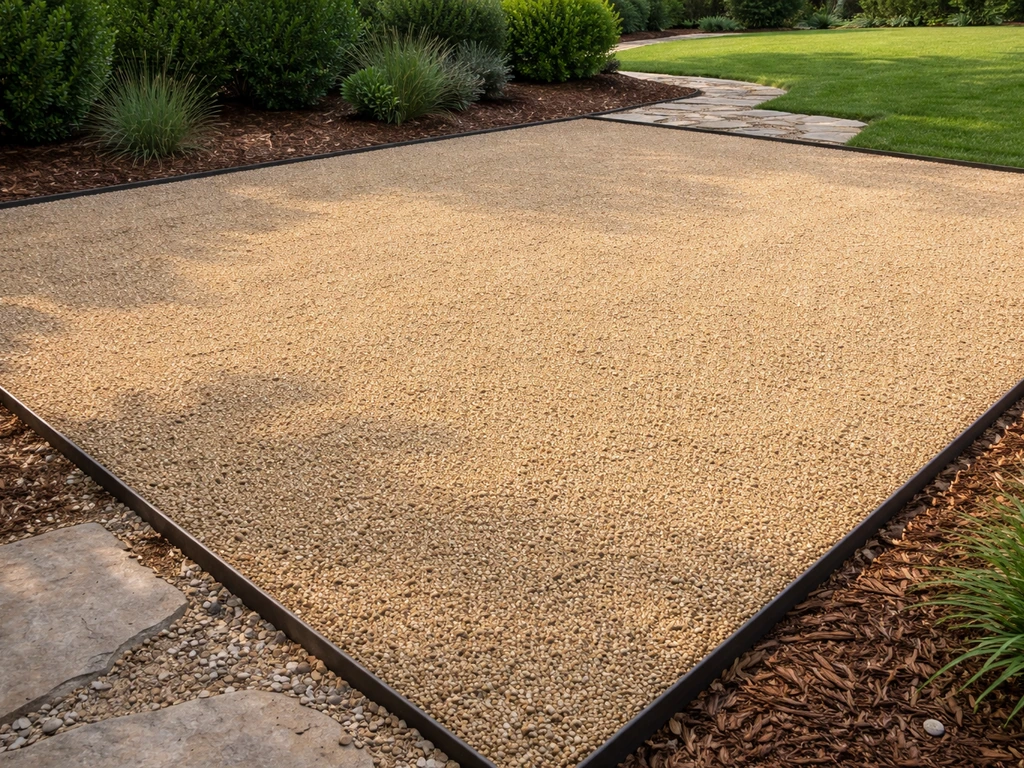
Cheapest patio stone options, ranked by material type
Here are the main low-cost stone and stone-adjacent surface options, from least expensive to most, based on 2026 material pricing.
Decomposed granite (DG)
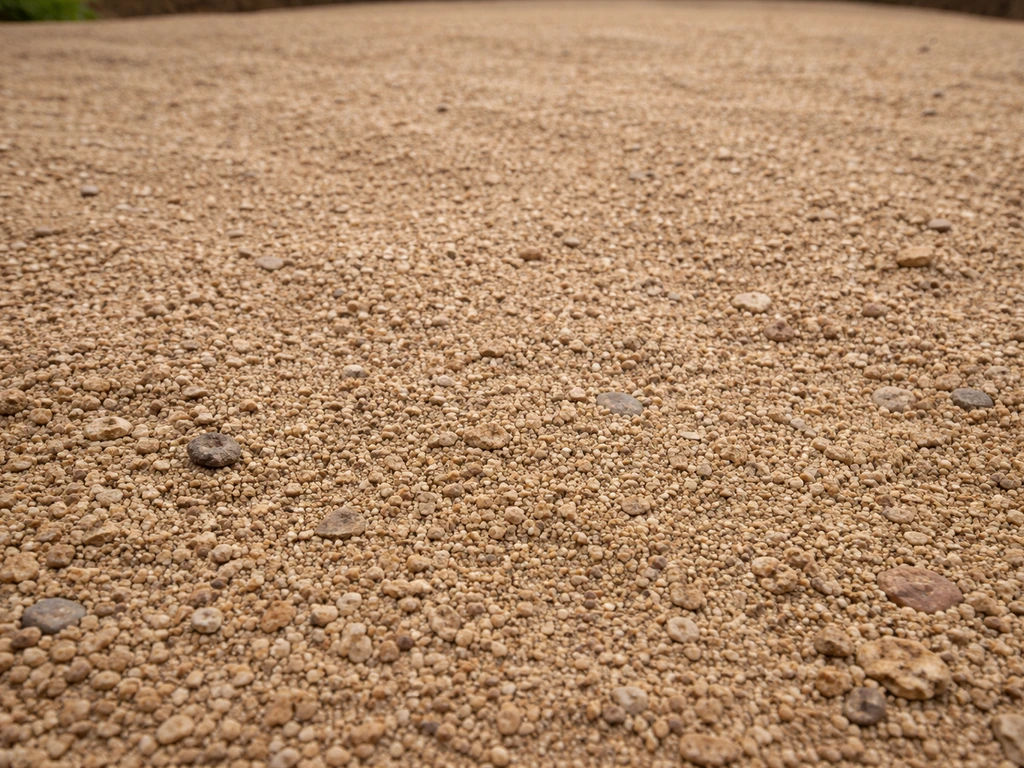
DG is crushed granite that compacts into a firm, gravel-like surface. It is one of the cheapest options you can buy in bulk, with raw material costs depending heavily on local quarry pricing. In small retail bags from a home improvement store you will pay a premium, so buying by the ton or yard from a landscape supply yard is the right move for anything larger than a tiny area. It is not a "stone" in the traditional sense, but it is a stone-derived material and a legitimate, widely used patio surface, especially in dry and mild climates.
Pea gravel
Washed 3/8-inch pea gravel runs about $30 to $55 per ton delivered in bulk. For a DIY installation, material costs come in around $1 to $2.50 per square foot. Professionally installed, expect $1.50 to $4.50 per square foot. It is loose underfoot, shifts with traffic, and needs edging to stay contained, but the upfront cost is hard to beat and it drains exceptionally well.
Irregular (random) flagstone
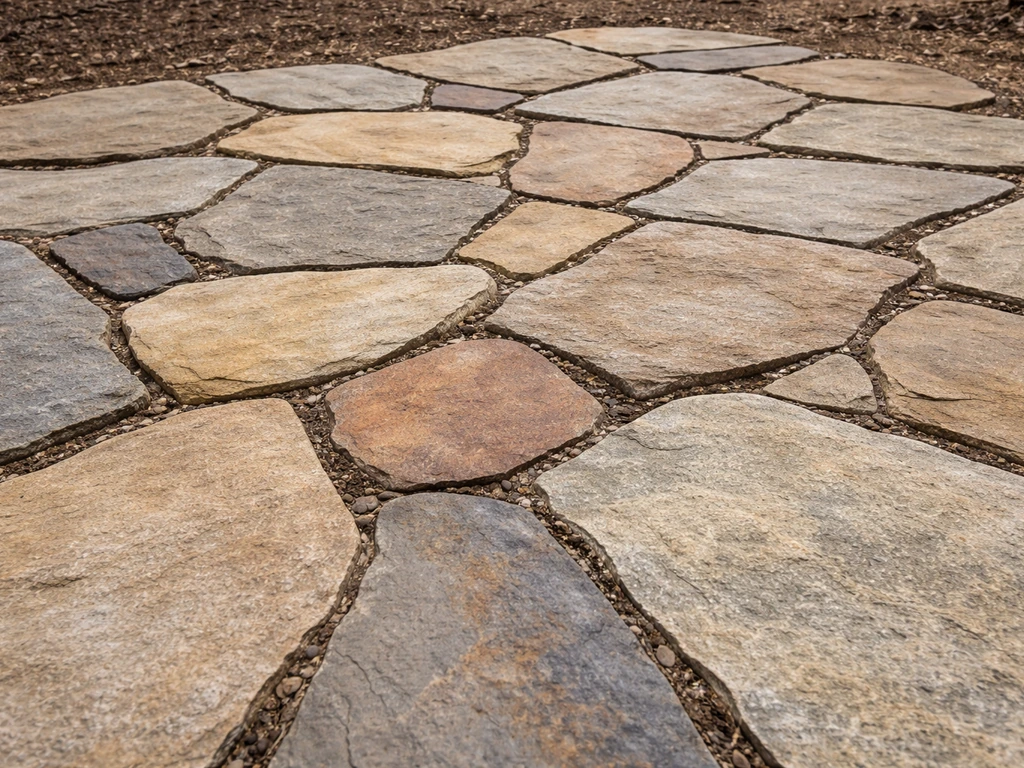
This is the cheapest option if you want actual set stone that does not move around. Irregular flagstone sold by the ton from a stone yard or quarry typically runs $6 to $15 per square foot for materials. The wide range reflects thickness, stone type (sandstone tends to be cheaper than bluestone or slate), and how far it has to ship. Buying irregular cuts rather than dimensional (pre-cut square or rectangular) pieces is the key to keeping costs down. A dry-laid flagstone patio installed by a pro comes in at roughly $15 to $32 per square foot all-in, with DIY installations on the lower end once you factor in only materials and base prep.
Concrete pavers
Concrete pavers are not natural stone, but they sit in this price range and are worth including for comparison. Concrete pavers can be a strong option when you want a smooth, level patio surface, but they are usually not the best material for patio paving if lowest cost is your main priority. Material costs are moderate, but professionally installed paver patios in most markets run $45 to $62 per square foot in 2026, largely because of the labor-intensive base preparation and cutting involved. They are durable and look polished, but they are not the cheapest path if your goal is lowest total cost.
Flagstone (installed, average)
A finished flagstone patio, professionally installed, averages about $15 to $27 per square foot according to multiple 2026 cost reports. LawnLove also reports that a professionally installed flagstone patio in 2026 typically runs roughly $15, $27 per square foot, based on its cost research averages about $15 to $27 per square foot according to multiple 2026 cost reports. That places it in the middle of the pack for total installed cost. DIY installation, where you handle all labor, can bring that number down dramatically, leaving you with mostly the cost of stone and base materials.
Real cost comparison: material plus base, labor, and hidden factors
The stone itself is rarely the biggest cost driver. Here is what actually moves the number on your total project cost.
| Material | DIY Materials (per sq ft) | Pro-Installed (per sq ft) | Base Needed | Edging Required |
|---|---|---|---|---|
| Decomposed granite | $1–$2.50 | $1.50–$4.50 | 4–6" compacted aggregate | Yes, essential |
| Pea gravel | $1–$2.50 | $1.50–$4.50 | 4" compacted base optional | Yes, essential |
| Irregular flagstone (dry-laid) | $6–$15 | $15–$32 | 4–6" crushed stone + 1" sand | Recommended |
| Concrete pavers | $3–$7 | $45–$62 | 4" compacted gravel + 1" sand | Yes, required |
| Flagstone (avg, pro-installed) | $6–$15 materials | $15–$27 | 4–6" crushed stone + 1" sand | Recommended |
The sub-base is where you cannot cut corners
For any paved or set-stone surface, a proper sub-base is non-negotiable. For a pedestrian patio, plan on 4 inches of compacted crushed aggregate base plus a 1-inch bedding sand layer. In areas with deep frost or clay soil, you need 6 inches of compacted base or more. The base material, compaction equipment rental (or labor), and disposal of excavated soil add real cost to every project. Skipping or thinning the base is the single most common reason cheap patios fail within a few years.
Other cost factors that add up fast
- Geotextile landscape fabric: $0.15 to $1.25 per square foot; required on clay or unstable subgrades, optional on sandy soils, but worth adding on any budget project
- Edging: plastic, steel, or stone edging keeps loose surfaces and pavers from migrating; budget $1 to $3 per linear foot
- Drainage slope: all patios need a 1 to 2 percent slope away from the house; excavation to achieve this adds labor time
- Polymeric jointing sand: used between flagstone or paver joints to lock pieces together and resist weeds; figure $50 to $100 for a typical 200-square-foot patio
- Excavation and disposal: removing 6 to 8 inches of soil from a 200-square-foot area means hauling away roughly 8 to 10 cubic yards; factor this into your budget or rent a dumpster
Best pick by use case: walkway, seating area, or freeze-thaw climate
The right cheap stone choice depends on what you are actually building and where you live. The best material for a patio depends on your budget, climate, and how much maintenance you are willing to do The right cheap stone choice. One material does not win across every scenario.
Casual patio seating area in a mild climate
Decomposed granite or pea gravel wins here on pure cost. Both drain well, install quickly, and look natural. DG compacts into a semi-firm surface that works fine under outdoor furniture. Pea gravel is softer underfoot but shifts slightly under heavy chair legs. In dry, warm, or Mediterranean climates these materials perform for years with minimal upkeep. If you want the best material for a backyard patio overall, it usually comes down to matching the surface to your climate, drainage needs, and how much traffic the patio will handle best material for backyard patio.
Walkway or high-traffic path
For a walkway, irregular flagstone dry-laid on a compacted base is the cheapest set-stone option that stays stable underfoot. Loose gravel and DG work for lightly trafficked garden paths, but they can be uncomfortable and require more frequent re-grading. If you want stone you set once and largely forget, irregular flagstone at $6 to $15 per square foot in materials is the right call. For many homeowners, this makes irregular flagstone one of the best material choices for a pool patio when paired with a solid base and proper drainage irregular flagstone at $6 to $15 per square foot in materials.
Freeze-thaw climates (northern US, Canada, high altitude)
Loose stone surfaces like DG and pea gravel actually tolerate freeze-thaw cycles well because they flex rather than crack. Flagstone can heave if the base is inadequate, but a properly compacted 6-inch crushed stone base with 1 inch of bedding sand resists frost movement well. What fails in freeze-thaw conditions is almost always an undersized base, not the surface material itself. Wood posts are a separate consideration, but choosing rot-resistant, pressure-treated lumber is typically the best wood for patio posts. Avoid mortared flagstone on a budget if you are in a heavy-frost zone since mortar cracks and repair costs pile up fast.
Quick reference by situation
| Use Case | Best Cheap Choice | Why |
|---|---|---|
| Casual seating, mild climate | Decomposed granite or pea gravel | Lowest installed cost, good drainage, easy DIY |
| Walkway, moderate traffic | Irregular flagstone (dry-laid) | Stable footing, one-time installation, affordable by the ton |
| Freeze-thaw zone, patio | Irregular flagstone (dry-laid, deep base) | Flexible jointing tolerates frost movement better than mortar |
| Budget seating, any climate | Irregular flagstone (dry-laid) | Best balance of cost, durability, and looks |
| Absolute lowest spend | Pea gravel | Cheapest material and installation, any climate |
How to install irregular flagstone the right way (dry-laid method)
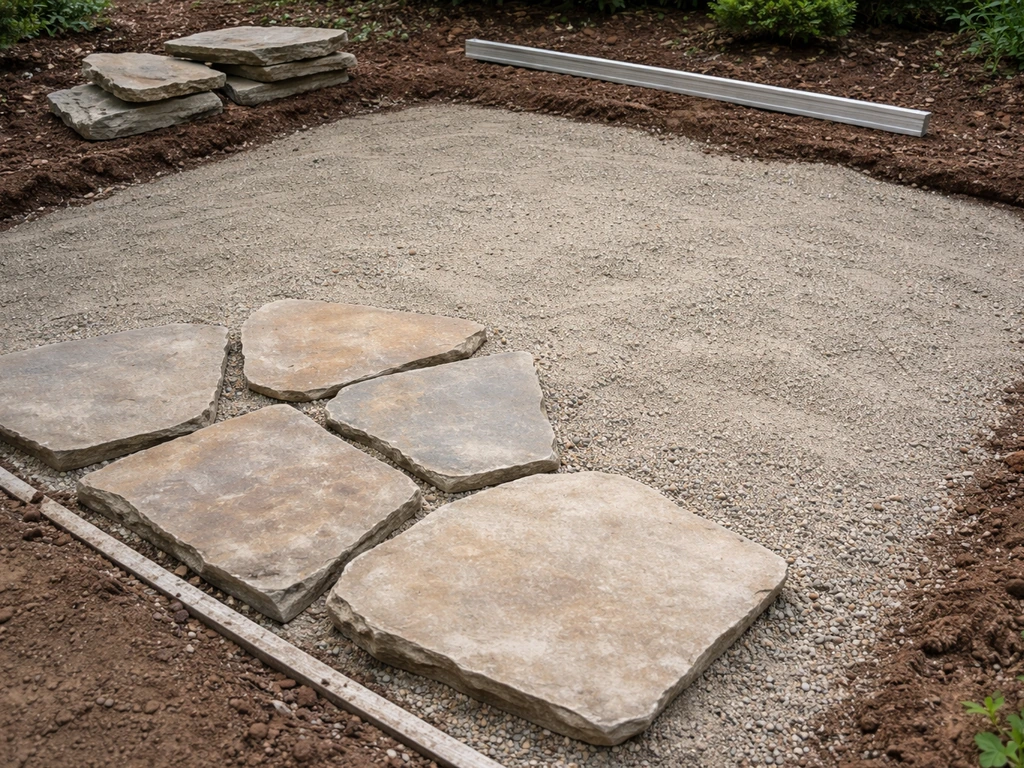
Dry-laid irregular flagstone is the most DIY-friendly cheap stone patio you can build. I have seen homeowners with zero hardscape experience put in a solid 200-square-foot patio over a weekend using this method. Here is what the process looks like done correctly.
- Mark and excavate the area to a depth of 6 to 8 inches, pitching the bottom of the excavation at a 1 to 2 percent slope away from any structure. This is the slope that will protect your foundation.
- On clay or unstable soil, lay down a layer of geotextile landscape fabric over the compacted subgrade before adding base material. On sandy or well-draining soil this is optional but still worthwhile.
- Add 4 to 6 inches of compacted crushed stone (also called road base or Class II base) in two lifts of 2 to 3 inches each. Compact each lift with a plate compactor before adding the next. Do not try to compact 6 inches in one go.
- Spread and screed a 1-inch layer of coarse bedding sand evenly over the compacted base. This layer lets you fine-tune the level of each stone without disturbing the base.
- Lay flagstones with roughly 1 to 2 inch gaps between pieces, working from one corner outward. Set each stone and check it for wobble. If it rocks, pull it up and add or remove a little sand underneath.
- Fill joints with polymeric jointing sand, sweeping it into the gaps and misting with water to activate the polymer binder. Follow the product's timing requirements: do not apply within 24 hours of significant rain and wait at least 30 days before sealing.
- Check the surface after the first heavy rain to confirm drainage is working as designed and no stones have shifted or settled unevenly.
The base is the most important part of this entire process. Every installation guide, from Lowe's to the Interlocking Concrete Pavement Institute (ICPI), repeats the same thing: a properly prepared, compacted, sloped base is what separates a patio that lasts 20 years from one that looks rough in three. Do not rush it.
Maintenance, durability, and what things actually cost over time
Low upfront cost does not always mean low lifetime cost. Here is an honest look at what each option demands over time.
Decomposed granite and pea gravel
Both loose stone surfaces need periodic replenishment. DG compacts down over time and can develop low spots or bare patches, particularly where traffic concentrates. Expect to top-dress with fresh material every two to four years. Gravel migrates toward edges and needs to be raked back regularly, and edging eventually loosens and needs resetting. Weeds can establish in both surfaces if the landscape fabric underneath was skipped or damaged. These are low-cost fixes individually but add up if you ignore them for years.
Dry-laid flagstone
A well-built dry-laid flagstone patio requires very little ongoing maintenance. Individual stones that heave or rock can be pulled up, the base corrected, and the stone reset in an afternoon. Polymeric sand in the joints needs to be inspected annually and touched up where washout has occurred. One of the advantages of dry-laid over mortared is that repairs are cheap and straightforward. Mortared flagstone, by contrast, can crack in freeze-thaw conditions and require professional repair.
Sealing: when it is worth it and when it is not
Sealing natural stone slows staining and can extend the life of polymeric sand joints, but it is an added cost and labor step. For a budget project, sealing is optional in most climates. If you do seal, wait at least 30 days after polymeric sand installation before applying a sealer, and plan to reseal every two to four years depending on traffic and sun exposure.
Long-term cost reality check
A $1.50 per square foot gravel patio that needs $0.50 per square foot in fresh material every three years is still cheaper over a decade than a $20 per square foot installed flagstone patio. But if you replenish gravel carelessly, skip edging maintenance, and eventually end up with a muddy mess you need to rebuild from scratch, the economics flip. Cheap materials paired with poor installation or zero maintenance often end up costing more than mid-range materials installed correctly. That is the honest trade-off with every budget patio option.
Where to buy stone cheap and how to get the lowest price
Where and how you buy stone matters as much as which stone you choose. These sourcing strategies can cut material costs significantly.
- Buy direct from a stone yard or quarry, not a big-box retailer. Retail bags of DG or flagstone at home improvement stores carry a substantial markup per unit of material. A local stone yard selling by the ton will almost always be cheaper per square foot for any volume project.
- Ask for irregular cuts and backsized pieces. Dimensional, pre-cut flagstone is priced at a premium. Irregular flagstone sold by the ton, with variation in shape and thickness, is the same material for significantly less money. Tell the stone yard you are doing a dry-laid patio and want irregular cuts.
- Request surplus, remnant, or discontinued material. Stone yards often have leftover pallets from larger projects or discontinued colors they want to move. These are typically priced below standard inventory.
- Buy in bulk and buy once. Ordering a slightly larger quantity in one trip is almost always cheaper per unit than two smaller orders. Delivery fees are a real cost; combining material orders saves money.
- Time your purchase for off-season pricing. Late fall and winter are slower seasons for hardscape work in most of the US. Some suppliers offer lower pricing or better terms during slow periods.
- Compare local aggregate suppliers for base material. The crushed stone base under your patio costs real money too. Get quotes from two or three local aggregate suppliers, not just the one the stone yard recommends.
- Check local classifieds and salvage yards. Leftover flagstone from construction or renovation projects frequently appears on online marketplaces at low or no cost. The stone is real, it just requires more sorting and potentially more waste.
If you are choosing between stone surface types with the goal of keeping total cost down, the material cost is only part of the equation. The cheapest stone patio that is installed correctly on a proper base, in a material that suits your climate and traffic, will always beat a rock-bottom-priced surface that fails in two seasons. Start with the right base, choose the material that fits your use case from the options above, and shop smart on sourcing. For many homeowners, the best material for a patio deck is the one that matches your climate, drainage needs, and maintenance tolerance. That combination is where the real savings live.
FAQ
What’s the cheapest patio stone option if I want it to feel stable underfoot like a set patio?
Decomposed granite can feel firm after compaction, but the most stable budget option is dry-laid irregular flagstone on a properly compacted base. If you expect foot traffic with heavy chair legs or frequent movement, flagstone will stay more consistent than DG or loose pea gravel.
Is decomposed granite or pea gravel cheaper once I include edging and base prep?
Often DG stays cheaper overall, but it depends on edging. Pea gravel typically needs more frequent reshaping, so budget extra for edging that holds the material and plan for periodic raking. DG also needs edging, but it usually resists migration better because it compacts tighter.
Can I use DG or pea gravel for a patio in freezing climates?
Yes, especially if you use the correct base thickness and compaction. Loose surfaces tolerate freeze-thaw because they can flex, but the common failure is an undersized base. For cold or clay-prone sites, plan on at least about 6 inches of compacted crushed stone before any bedding layer.
What’s the cheapest option if the area drains poorly or becomes muddy?
Choose a surface that supports drainage and avoid anything that traps water. DG and pea gravel generally drain well, but you still need a sloped, compacted sub-base with proper runoff. If your yard is prone to standing water, invest in improving grading before selecting the cheapest stone.
Do I need landscape fabric under DG or pea gravel to keep weeds down?
You often need some kind of weed-control layer, but it should not replace good base prep. If fabric gets damaged during excavation or shifts over time, weeds can still come through and the surface can sink unevenly. A better approach is to prepare the base thoroughly, install weed control correctly, then compact carefully around it.
Is it cheaper to buy stone in bulk or from retail bags?
For anything more than a tiny test area, bulk purchasing is usually cheaper because retail bags include packaging and handling markups. DG and pea gravel are especially sensitive to this, since the per-bag price rises quickly. Estimate square footage, convert to depth-based tonnage, and buy from a local landscape supply for the lowest unit cost.
Can I install flagstone without hiring help if I want the lowest total cost?
Yes, dry-laid irregular flagstone is one of the most DIY-friendly set-stone approaches, but the critical requirement is an accurate sub-base build and leveling. If you cannot compact evenly or manage the slope toward drainage, DIY savings can disappear due to rocking stones and washouts.
What are the most common mistakes that make the cheapest patio fail early?
The biggest causes are skipping or thinning the compacted base, no slope, and weak edging that lets loose materials migrate. Even with the right stone, a shallow base or poor drainage leads to settlement, uneven surfaces, and freeze-thaw heave.
How do I choose between DG, pea gravel, and irregular flagstone for a pool patio?
For lowest cost with a stable feel, irregular flagstone on a solid base is usually the best match. DG and pea gravel can work for lighter, less-slippery-foot-traffic areas, but pea gravel can shift and feel softer underfoot. For pool surrounds, also consider drainage speed so water does not sit near decking or coping.
Do I need to seal decomposed granite or set stones to keep it looking good?
DG is typically not sealed for normal patio use, and sealing is more about stain control than structural failure. For dry-laid flagstone, sealing is optional, but polymeric sand joints need time to cure before any sealer. If you mainly want the lowest cost, prioritize correct installation and joint upkeep over sealing.