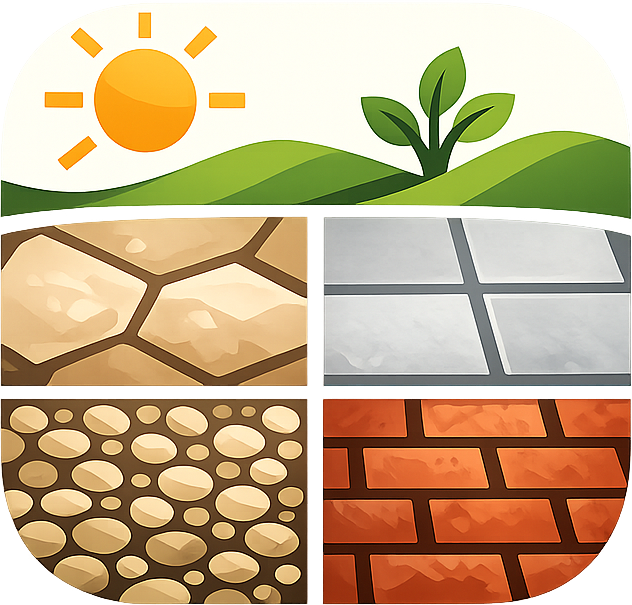
For most homeowners, concrete pavers or natural flagstone hit the best balance of durability, cost, and looks. If you want one honest pick, concrete pavers (interlocking or large-format) are the most forgiving across climates, budgets, and DIY skill levels. Flagstone is the premium choice for character and longevity when you use quality stone and get the base right. Porcelain tile wins on aesthetics and low maintenance in mild climates.
What Is the Best Material for a Patio? Options by Use
Nolan Ellison
26 Jun 2026
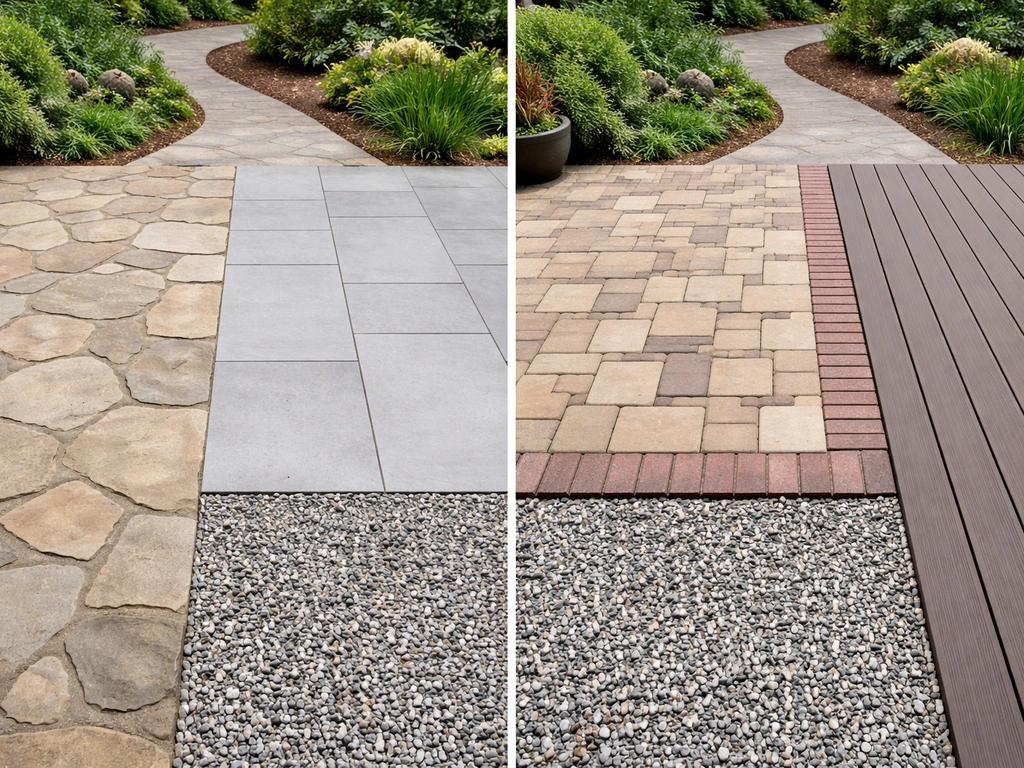
Gravel is the cheapest and easiest to install. Brick is timeless but more labor-intensive. Composites make sense mainly for raised decks, not ground-level patios. The right choice for you depends on five things: your climate, your budget, how much traffic the patio sees, how much maintenance you're willing to do, and whether you're DIYing or hiring out.
Best patio material by your situation (quick answer)
Before diving into each material, here's a fast reference. Match your situation to the recommendation, then use the deeper sections below to confirm it fits your specific conditions.
| Your situation | Best material choice |
|---|---|
| Freeze/thaw climate, want something that lasts 30+ years | Concrete pavers or high-density natural stone (dry-laid) |
| Mild climate, want a clean modern look with almost no upkeep | Large-format porcelain tile (mortar-set on a concrete slab) |
| Tight budget, DIY project, any climate | Gravel or compacted decomposed granite |
| Classic look, moderate budget, mild to moderate climate | Brick (dry-laid on compacted gravel/sand base) |
| Natural look, willing to pay premium, skilled installer available | Flagstone (dry-laid with high-quality stone) |
| Raised patio or deck surface, want wood look without rot | Composite decking boards |
| Pool surround or high-moisture zone | Porcelain tile or textured concrete pavers |
The full material lineup: what each one is actually best for
Flagstone
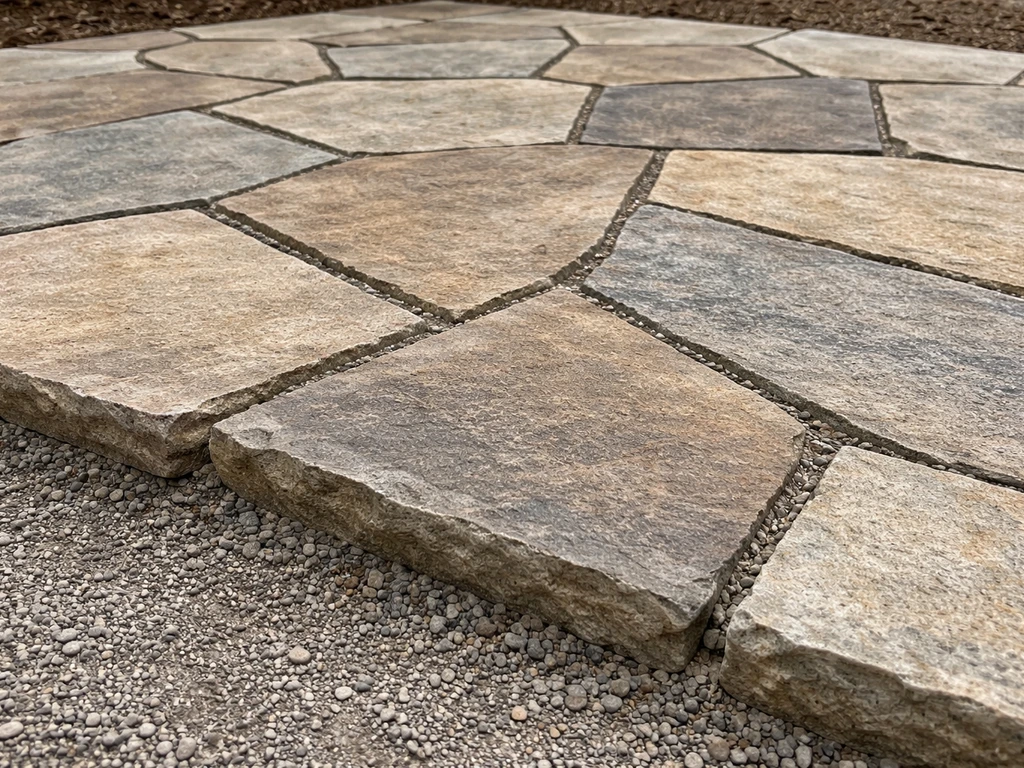
Flagstone is one of the most popular premium patio choices, and for good reason. It looks natural, ages beautifully, and when dry-laid correctly over a deep compacted base, it can last decades without issues. The key word there is 'correctly. ' I've seen flagstone patios that were still solid at 20 years and others that were crumbling at six.
The difference almost always comes down to two things: stone density and base preparation. Lower-density flagstone (some softer limestone or sandstone varieties) will spall and separate in freeze/thaw climates, especially if mortared rather than dry-laid. If you're in a cold region, stick with dense bluestone, quartzite, or granite-family flagstone, and have it dry-laid on a 4 to 6 inch compacted gravel base with a sand setting bed. [Mortared flagstone in freeze/thaw zones needs re-grouting over time as joints crack.
](https://www. landscapingnetwork. com/flagstone/maintenance. html) Professional installation runs about $15 to $22 per square foot installed, which is toward the higher end of the market.
Porcelain tile
Outdoor porcelain tile has become genuinely excellent over the last decade. The newer large-format rectified tiles (24x24 or 24x48 inch) are dense, frost-resistant (check for a PEI rating of 4 or 5 and a water absorption rate below 0. 5%), and nearly maintenance-free once set. They won't stain, they clean up with a hose, and they hold color far longer than natural stone.
The trade-off is installation: porcelain must be set in polymer-modified thinset over a solid concrete slab or extremely stable mortar bed, with no flex allowed. Any movement in the substrate will crack the tile. This makes it a bad choice for DIYers in frost-heave zones unless they're working over an existing, well-cured slab. In mild climates on a stable base, it's arguably the best low-maintenance option available right now.
Gravel and decomposed granite
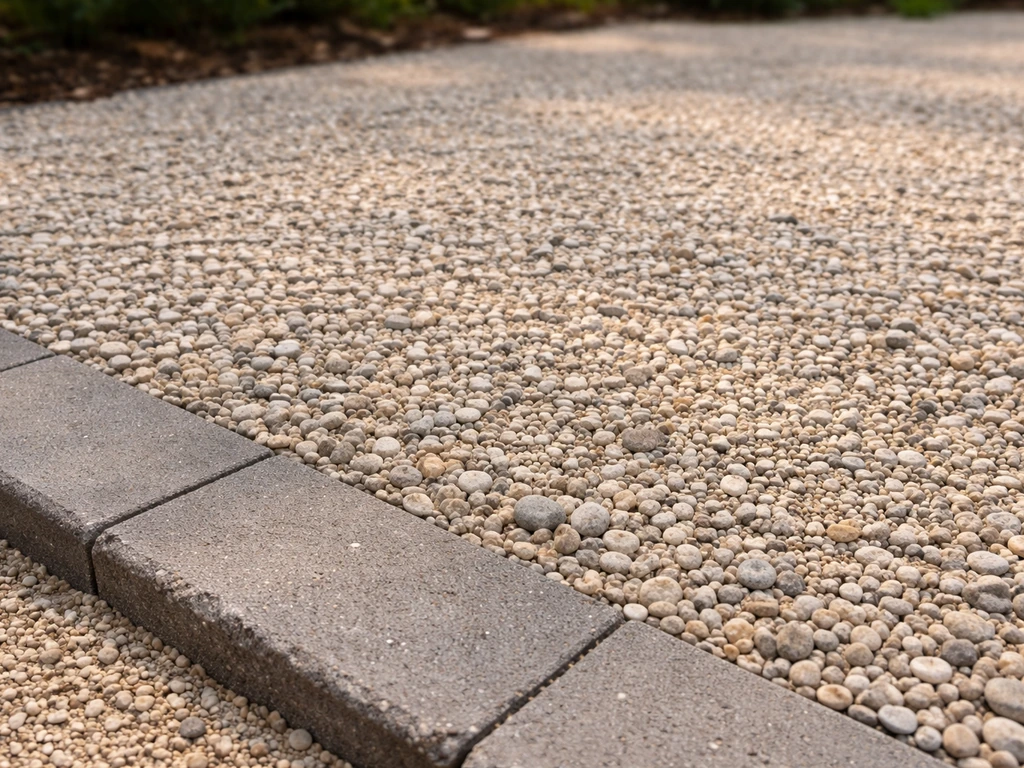
Gravel is the most underrated patio material for budget-conscious homeowners or anyone building a casual, informal outdoor space. Pea gravel, crushed granite, and decomposed granite (DG) all work well. DG compacts into a firm, walkable surface when stabilized with a binder. Gravel drains perfectly, which eliminates a lot of drainage headaches, and you can install it yourself in a weekend with rented tools.
The downsides are real though: it shifts underfoot if not bordered properly, loose gravel tracks into the house, and it's not ideal for furniture-heavy entertaining areas. Still, for a large casual yard space, fire pit area, or a secondary patio, it's hard to beat on cost and effort. It's also the go-to temporary solution while you save up for a more permanent surface.
Brick
Brick is a classic for a reason. It's warm, timeless, and when dry-laid on a proper compacted gravel and sand base, individual bricks can be replaced if they crack or heave. For patio posts specifically, choosing the right wood is crucial for durability and resistance to rot and warping outdoors individual bricks can be replaced. The pattern options (herringbone, running bond, basketweave) give you a lot of design flexibility without extra cost.
Clay brick handles freeze/thaw reasonably well as long as you use paving-grade brick, not construction or face brick, which aren't designed for ground contact moisture cycles. The main catch with brick is labor: it's time-consuming to lay, especially in complex patterns. DIY is very doable, but it's one of those projects where rushing the base preparation will haunt you within two or three winters. Budget about $8 to $20 per square foot installed depending on pattern complexity and your region.
Natural stone (bluestone, travertine, slate, granite)
When people search for 'best patio material,' they often have natural stone in mind without fully realizing it's a broad category with very different performance profiles. Bluestone is dense, handles cold climates well, and has a refined look. Travertine is beautiful but porous, making it prone to staining and freeze damage unless sealed regularly. Slate can flake in freeze/thaw zones.
Granite pavers are nearly indestructible. The 'best' natural stone really depends on your climate and how much sealing and maintenance you want to commit to. For cold climates, bluestone or granite are the practical choices. For warm, dry climates, travertine and slate open up as genuinely gorgeous options.
If cost is a concern, this topic overlaps with what you'll find when researching the cheapest stone options for a patio.
Composite materials
Composite decking (wood-plastic composite boards) belongs in the conversation when the patio is raised above grade, meaning it's actually a deck platform rather than a ground-level slab. If you're comparing options for a patio deck, composite boards can be a good choice when the space is actually elevated above grade. For a true ground-level patio, composites don't make structural sense.
But if your patio has a frame, or if you're comparing a patio deck to a stone surface, composites offer a wood appearance without rot, insect damage, or the annual staining that real wood demands. They scratch and dent more than people expect, and they get hot in full sun (some brands more than others). For pool-adjacent decking or covered outdoor rooms, they're a practical pick. For ground-level patios, stick to the hard surface options above.
How climate and site conditions change the right answer
This is where a lot of homeowners go wrong. They pick a material based on how it looks in a magazine photo taken in Southern California, then install it in Minnesota or Vermont and wonder why it's falling apart in three years. Here's how to think about your site.
Freeze/thaw climates (USDA zones 3-6)
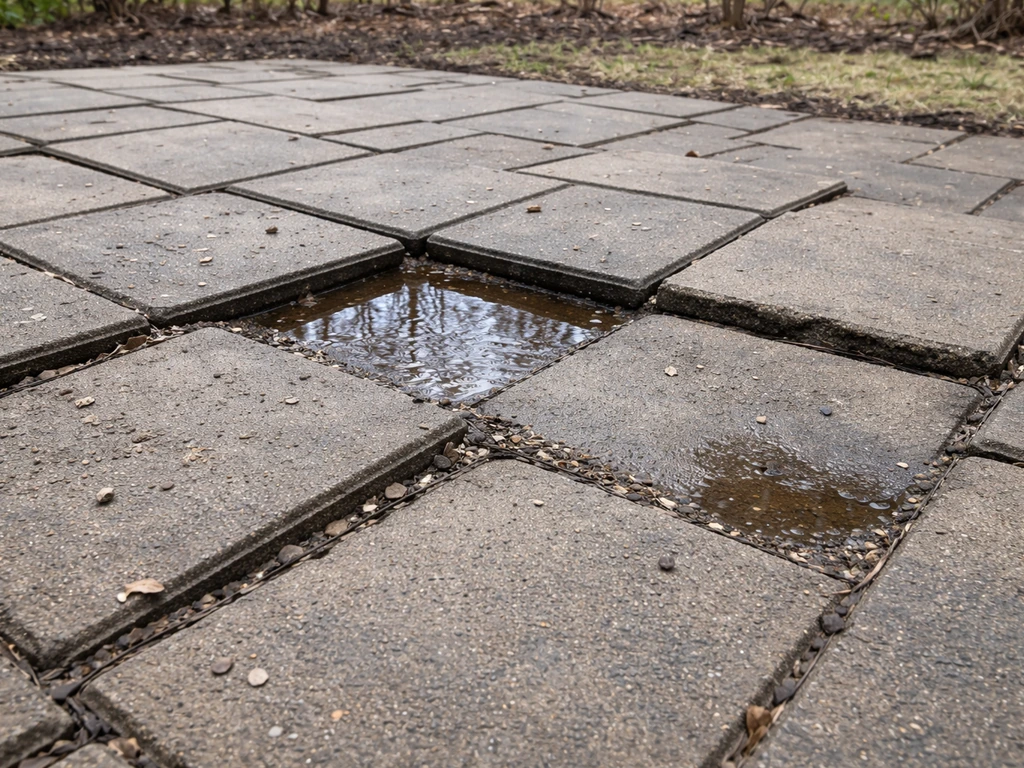
In any climate where the ground freezes and thaws repeatedly through winter, your patio surface is getting physically moved every year. Water gets into joints, freezes, expands, and forces materials apart. The solutions are: use materials that tolerate movement (dry-laid pavers, dry-laid flagstone, brick), go deep on your compacted gravel base (6 to 10 inches is standard, not optional), and avoid rigid mortar joints where possible.
HomeGuide notes that flagstone patio installation commonly uses a compacted gravel base in the range of about 4 to 10 inches, with sand or grout choices depending on whether the stones are dry-laid or mortar-set a deep compacted gravel base. If you insist on mortar, use a flexible polymer-modified mortar and expect some maintenance re-grouting every 5 to 10 years. Mortared flagstone in zone 4 or colder is genuinely high-risk without exceptional base work.
Porcelain tile over an uninsulated concrete slab in a freeze zone will crack.
Hot, dry, and arid climates (Southwest, zones 8-10)
Heat expansion is the main concern here, not freezing. Light-colored materials help manage surface temperatures (dark porcelain or black granite can get dangerously hot in July). Travertine is popular in Arizona and Southern California because its natural porosity keeps it cooler underfoot, and freeze damage is rarely a concern. Expansion joints in any mortar-set surface are critical in heat zones. Gravel and DG also shine here because they don't expand like solid surfaces and they drain instantly during the occasional heavy monsoon-style rain event.
Drainage and slope
Every patio needs to drain away from the house, minimum 1/8 inch drop per foot (1/4 inch per foot is safer). Poor drainage is the single biggest cause of patio failure regardless of material. Gravel and open-jointed pavers handle poor drainage naturally. Solid mortar-set surfaces need careful slope planning and sometimes a French drain at the perimeter. If your site has a significant slope, dry-laid stone or pavers are far easier to step down in tiers than poured or mortar-set options. Don't fight gravity; design with it.
High-traffic vs. occasional-use areas
A patio that hosts weekly family dinners, kids running in and out, and regular furniture movement needs a different surface than a quiet garden seating area. For high-traffic zones, prioritize dense materials with good slip resistance: concrete pavers with a textured face, bluestone, or paving-grade brick. For the best material for patio paving in most high-traffic areas, concrete pavers with a textured surface are a dependable choice when the base is built correctly concrete pavers with a textured face. Gravel is annoying in high-traffic areas (it scatters constantly). Polished or smooth porcelain is a slip hazard when wet. Save the more decorative, fragile options for low-traffic accent zones.
Cost, longevity, and maintenance side by side
Here's a realistic comparison of what you'll spend, what you'll get, and what you'll need to do to keep it looking good. These are ballpark installed costs for a professionally built patio in 2026. DIY saves roughly 40 to 60% on labor in most cases.
| Material | Installed cost (per sq ft) | Expected lifespan | Annual maintenance effort | DIY-friendly? |
|---|---|---|---|---|
| Gravel / DG | $2–$6 | Indefinite (top-up yearly) | Low (raking, edging, occasional replenishment) | Very easy |
| Concrete pavers | $10–$20 | 25–50 years | Low (re-sand joints every few years, occasional re-leveling) | Moderate |
| Brick (dry-laid) | $8–$20 | 25–100 years (clay brick) | Low-moderate (re-sand, replace cracked bricks) | Moderate |
| Flagstone (dry-laid) | $15–$22 | 20–50+ years (density-dependent) | Moderate (re-sand joints, seal every 2–3 years optional) | Moderate-hard |
| Natural stone (mortar-set) | $18–$35 | 20–40 years with upkeep | Moderate-high (re-grout, seal, repair cracks) | Hard |
| Porcelain tile | $15–$30 | 20–40 years in mild climates | Very low (hose clean, reseal grout annually) | Hard (needs stable base) |
| Composite (raised deck) | $20–$40 | 25–30 years | Low (annual cleaning, occasional board replacement) | Moderate |
One honest note on longevity: these numbers assume a properly prepared base. I've seen $25-per-square-foot natural stone installations fail in five years because the gravel base was skimped on, and I've seen $8-per-square-foot brick patios still going strong after 30 years because the homeowner took the time to compact a proper 6-inch gravel base and bedding sand. The material matters less than the foundation it sits on.
Installation basics and the mistakes that wreck patios
Most patio failures aren't material failures. They're installation failures. The same patterns come up again and again regardless of the surface chosen.
The base is everything
For any hard surface patio, the standard minimum base is 4 inches of compacted crushed gravel (not pea gravel, which doesn't compact) topped by 1 inch of coarse bedding sand for dry-laid surfaces, or a concrete slab for mortar-set materials. In freeze/thaw zones, go 6 to 10 inches of compacted gravel. The base should be sloped for drainage before you lay a single stone. Skipping compaction, using the wrong aggregate, or going too shallow are the three most common base mistakes. Rent a plate compactor; don't rely on foot traffic.
Drainage planning before you start
Mark the high and low points of your patio area before you excavate. Every surface needs to pitch away from the house. If the natural grade runs toward your foundation, you'll need to build a swale, French drain, or channel drain into your design. Addressing this after the patio is installed is extremely expensive and disruptive. Address it in the planning phase.
Material-specific installation notes
- Flagstone: Use angular, dense stone with a minimum 1.5-inch thickness for structural integrity. Irregularly shaped pieces should be fitted tightly; gaps over 2 inches are a trip hazard and hard to maintain.
- Porcelain tile: Back-butter each tile with thinset plus apply to the substrate. Any hollow spots under tile will crack the surface. Use spacers for consistent joints and epoxy grout for outdoor use.
- Brick: Run a string line for every single course. Even a 1/8-inch drift in level compounds quickly across 200 square feet. Polymeric sand in the joints is a must for weed prevention and stability.
- Gravel: Install landscape fabric under gravel only if you're using DG or fine gravel; coarse gravel can skip it. Solid steel or aluminum edging keeps the material contained and prevents the perimeter from spreading.
- Natural stone (mortar-set): Allow the concrete slab to cure a minimum of 28 days before setting stone. Use a flexible, polymer-modified mortar; standard thinset moves too little and cracks in outdoor temperature swings.
- Composite decking: Leave 1/8-inch gaps between boards for drainage and expansion. Don't use composite on ground-contact framing; the subframe must be pressure-treated lumber or steel.
The most common mistake I see
Rushing the excavation. People dig down what feels like enough, lay a thin base, and call it done. Then the first winter heaves a corner, water pools, and the whole surface is uneven within two years. Excavate deeply enough to hit stable sub-soil or native grade, add your compacted aggregate in two-inch lifts (not all at once), and check for level and slope constantly as you build up. That extra half day of base work is worth more than any upgrade in surface material.
How to make your final choice: a decision checklist and next steps
Work through this checklist before you buy anything or call a single contractor. It will narrow your options to two or three realistic candidates, which makes comparing quotes and sourcing materials much simpler. If you want the best material for a backyard patio, the answer depends on your climate, drainage, and how much traffic the space gets.
- What is your climate zone? If you're in a hard freeze zone (zones 3-6), eliminate mortared porcelain tile and low-density flagstone from your list immediately.
- What is your total budget per square foot installed? Under $6: gravel or DG. $8-$15: brick or concrete pavers. $15-$25: flagstone or natural stone. Over $25: premium natural stone or large-format porcelain.
- Are you DIYing or hiring? Gravel, brick, and dry-laid pavers are the most DIY-accessible. Porcelain tile and mortar-set stone benefit strongly from a professional installer.
- What is the traffic level? High traffic: concrete pavers or paving-grade brick. Low to moderate: any option works. Very low, decorative: natural stone or flagstone.
- What is your maintenance tolerance? Low tolerance: concrete pavers, porcelain tile, gravel. Happy to do seasonal upkeep: brick, flagstone, natural stone.
- Does the site have drainage challenges? If yes, favor open-jointed or permeable options: gravel, dry-laid pavers with sand joints, or dry-laid flagstone.
- Is the patio raised or at-grade? Raised: composites or hardwood decking. At grade: any hard surface material.
Next steps for DIY
Once you've picked your material, calculate square footage and add 10% for cuts and waste (15% for irregular flagstone). To make sure you get the right materials for a patio, confirm your site conditions and climate before you buy anything. Source material from a local stone yard or masonry supplier rather than a big-box store; you'll get better quality, better pricing on quantity, and staff who can tell you whether a specific stone is appropriate for your climate.
Ask specifically: 'Is this stone rated for outdoor freeze/thaw use? ' and 'What is the absorption rate? ' For pavers, check that they meet ASTM C936 standards. For flagstone, ask for the density specification.
Rent a plate compactor for the base work; it's the single most important piece of equipment for any patio project.
Next steps for hiring a contractor
Get at least three quotes and ask each contractor to break out material cost from labor cost separately. This lets you compare apples to apples even if they're quoting different materials. Ask every contractor: 'How deep will the base be, and what aggregate will you use? ' Anyone quoting less than 4 inches of compacted gravel base for a hard surface patio is cutting corners.
Ask to see photos of completed jobs that are at least three years old in a similar climate. Check whether they're using polymeric sand (for dry-laid) or polymer-modified mortar (for wet-set), not standard sand or basic thinset. If they can't answer these questions confidently, move on. The cheapest quote is rarely the best value when it comes to hardscaping, because fixing a failed base means tearing out and redoing everything from scratch.
If you're still deciding between surface options based on look and budget, it's worth also exploring how specific patio paving materials compare in more detail, or how the choices shift for more specialized setups like a pool patio or a backyard patio with different use patterns. The right answer is always specific to your site, and a few hours of research before you commit will save you real money and frustration down the road.
FAQ
What is the best material for a patio if I want something I can fix or replace easily later?
Choose dry-laid concrete pavers or paving-grade brick. They can be lifted, reset, and matched with new units more easily than mortar-set surfaces, and broken pieces are localized rather than requiring full-area repair.
Is gravel still a good patio material if I have kids, pets, or lots of foot traffic?
Gravel works best for low-scooter, low-chair-movement areas unless you treat edges and add a stable binder. Use a well-compacted DG base, install a border to stop scatter, and consider larger, less mobile gravel types for better underfoot feel.
Can I use flagstone on a concrete slab instead of a gravel base?
Yes, but treat it like a tile or stone-over-concrete project, not like dry-laying. You need the right thinset system and grout, and the slab must be flat and well-cured because movement in the slab can cause cracking or loose stone over time.
What is the best patio material for freeze/thaw areas if I want minimal maintenance?
Interlocking concrete pavers are usually the lowest-maintenance option because they tolerate movement and allow joint water to escape. Mortared systems in very cold zones generally require more attention to joint care and potential re-grouting.
How deep should my base be for the different patio materials?
For most hard-surface patios, plan on at least 4 inches of compacted crushed gravel plus bedding sand for dry-laid installations. In freeze/thaw climates, increase to about 6 to 10 inches, regardless of whether you choose pavers, brick, or dry-laid flagstone.
Do I need expansion joints even if I use pavers or dry-laid stone?
Expansion joints are critical for mortar-set, tile-like installations, and any rigid mortar grid. For dry-laid pavers and dry-laid flagstone, you still need to allow movement at edges and transitions (toward walls, columns, or slabs), but you typically rely more on flexible joints and proper edging than on frequent formal joint cuts.
What’s the biggest mistake homeowners make when choosing between porcelain tile and pavers?
Buying porcelain expecting it to be forgiving on an unstable base. Porcelain over anything that flexes can crack, so if your site may move (poor drainage, shallow base, soft subgrade), pavers usually perform more reliably.
How do I prevent patio staining if I choose travertine or other porous natural stone?
Plan for sealing on a schedule and clean spills quickly. Also, consider using a denser stone or pavers in entertaining areas where oils and sauces are common, because porous surfaces require more maintenance to stay uniform.
What patio material is safest when the surface gets wet?
Look for textured paver faces or naturally non-polished stone finishes. Avoid smooth or highly polished porcelain in splash zones, entry areas, or where children run, since wet traction can drop noticeably.
Which material is best for a patio on a sloped yard?
Dry-laid pavers or dry-laid stone are usually easiest to step down into tiers without forcing rigid mortar. If you must use mortar-set surfaces, the slope, drainage, and substrate stability need extra scrutiny because small leveling errors can become permanent cracking points.
Is polymeric sand enough for pavers, or do I still need proper drainage?
Polymeric sand helps lock pavers and reduce weed growth, but it does not replace drainage. You still need the correct slope away from the house and the right base material so water does not sit under the patio and force heaving.
What should I ask a contractor to confirm before they start?
Ask for base depth and aggregate specs, whether they use compacted crushed gravel (not pea gravel), how they handle slope and drainage, and which joint materials they plan to use (polymeric sand for dry-laid, polymer-modified mortar for wet-set). Also request photos from at least a few-year-old projects in a similar climate.