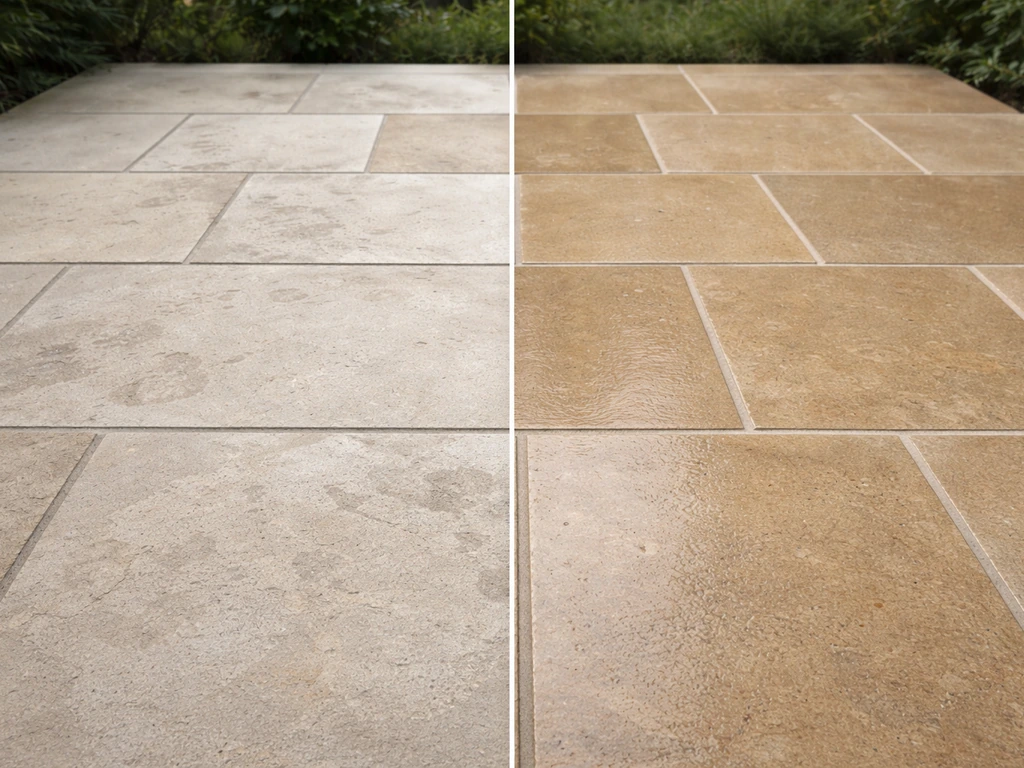
For a limestone patio, a penetrating silane-siloxane sealer is the best choice in almost every situation. It soaks into the stone's pores, creates a breathable hydrophobic barrier, and protects against water spotting, staining, freeze-thaw damage, and efflorescence without changing the surface appearance or making it dangerously slippery. Skip the glossy topical film-formers unless you specifically want a wet-look finish and can accept the trade-offs that come with it.
Best Sealer for Limestone Patio: How to Choose and Apply
Nolan Ellison
31 May 2026
Why limestone needs sealing outdoors
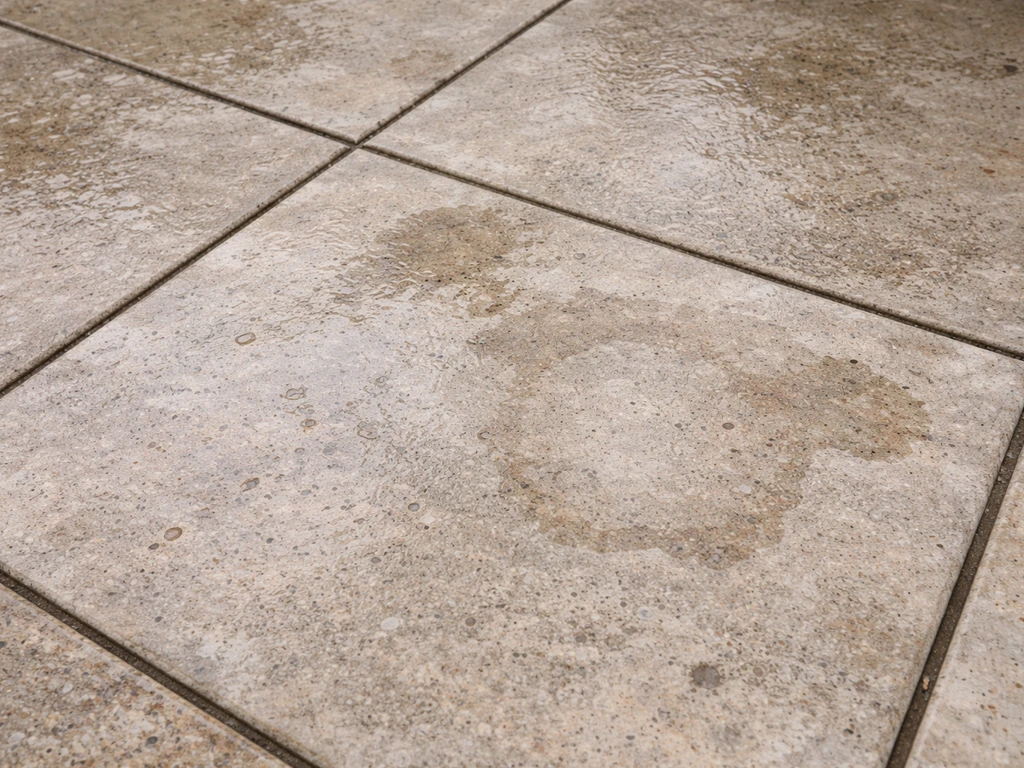
Limestone is one of the more porous natural stones you can put on a patio. That porosity is what makes it look warm and natural, but it also means water, oils, and organic debris work their way in fast. Left unprotected, you end up with a list of problems that gets expensive to fix.
- Water absorption and spotting: Limestone drinks up water quickly. Rain or a spilled drink leaves dark wet patches that take a long time to dry and can permanently discolor lighter-colored stone.
- Staining: Cooking oils, tannins from leaves and wood furniture, wine, bird droppings, and algae all penetrate unsealed limestone far faster than denser stones like granite.
- Efflorescence: Soluble salts migrate through porous stone with water and crystallize as white deposits on the surface. In limestone this is a persistent problem because the stone stays damp for longer.
- Freeze-thaw damage: Water that has soaked into the stone expands when it freezes. Over repeated cycles this causes surface spalling, flaking, and cracking. In cold climates this is the single biggest reason limestone patios deteriorate early.
- Etching: Limestone is calcium carbonate, which reacts chemically with acids. Citrus juice, vinegar-based cleaners, and even slightly acidic rainwater can etch the surface, leaving dull spots. Sealing does not fully prevent etching but it slows the exposure time.
- Algae and mildew: In shaded or damp areas, unsealed limestone becomes a very hospitable surface for biological growth, which is both unsightly and a slip hazard.
Even if you live somewhere mild, sealing is still worth doing. The protection from everyday food and drink stains alone justifies the two hours it takes to apply a penetrating sealer every few years. If you are in a freeze-thaw climate, it is not really optional.
Penetrating vs film-forming sealers: choose the right type
This is the most important decision you will make, so it is worth spending a few minutes on. If you are shopping, a patio stone sealer review can help you compare options like penetrating versus film-forming products and see which ones match your climate and finish patio sealer. The two main categories work completely differently, and the wrong choice can create problems that are harder to fix than no sealer at all.
Penetrating (impregnating) sealers
These are silane, siloxane, or silane-siloxane blend formulations. They absorb into the stone's pore structure and bond chemically with the substrate, creating a hydrophobic interior that repels water and oil. The surface looks essentially the same after treatment. Because they do not form a film on top of the stone, they are breathable: moisture vapor can still escape from below, which is critical for preventing trapped moisture, efflorescence, and the kind of freeze-thaw damage that actually breaks stone apart. Products like SB-4000 (SEK Surebond), PaverArmor (RadonSeal), DryWay PLUS (RadonSeal), and the Sikagard range of silane/siloxane formulations are all in this category. For a limestone patio, this is your default choice.
Film-forming (topical) sealers
These coat the surface with a layer of acrylic, polyurethane, or epoxy. They can enhance color (the wet-look effect) and provide a physical barrier against surface stains, but they come with real trade-offs. Higher-solids wet-look sealers become slippery when wet, which is a serious safety issue on an outdoor patio. Film-forming sealers also trap moisture beneath the surface, which leads to hazing, bubbling, and accelerated spalling in climates with ground moisture or freeze-thaw cycles. They need more frequent reapplication and are harder to remove if something goes wrong. Some homeowners do choose a light satin acrylic for aesthetic reasons on honed limestone, but you need to go in with clear eyes about the maintenance and slip-risk implications.
| Feature | Penetrating Silane-Siloxane | Film-Forming Topical Sealer |
|---|---|---|
| Appearance change | None to minimal (matte, natural look) | Satin to high-gloss wet look |
| Breathability | Yes, vapor-permeable | No, traps moisture below surface |
| Freeze-thaw protection | Excellent (prevents water ingress) | Poor (trapped moisture worsens damage) |
| Efflorescence risk | Low (moisture can escape) | High (salts forced to surface) |
| Slip resistance | Maintains natural texture | Can become dangerously slippery when wet |
| Reapplication interval | 3–7 years depending on traffic | 1–3 years |
| Difficulty of removal | Not removable; wears out naturally | Requires stripping products |
| Best for limestone patio | Yes, strongly recommended | Only if wet-look finish is the goal and safety is managed |
How to pick the right sealer for your specific patio
Not every penetrating sealer is the same. Here is how to match the product to your situation.
Climate and freeze-thaw exposure
If you get hard winters, look for a silane-siloxane blend specifically rated for freeze-thaw protection and de-icing salt resistance. SB-4000 is rated freeze-resistant to -60°F (-51°C) and is marketed as a salt blocker, which matters if you use ice melt products on or near the patio. Sikagard-200 Enviroseal references ASTM C97 water absorption performance testing, which is a good sign that the product has been validated against a measurable standard rather than just claimed to work.
Porosity level and limestone finish
Honed limestone is smoother and slightly less porous than brushed or tumbled finishes. Tumbled limestone in particular can be very thirsty. Do a simple water-drop test before you seal: put a few drops of water on the dry stone and watch what happens. If it absorbs in under 30 seconds, the stone is highly porous and you will need to apply more sealer and possibly a second coat.
If it beads for a minute or more, the stone is less absorbent and one coat may do the job. A similarly useful test is applying a small amount of sealer to an inconspicuous area first: the rate at which it disappears into the stone tells you how much product you will need overall.
Foot traffic and use patterns
High-traffic areas around doors, outdoor kitchens, and dining zones need a product with good oil repellency in addition to water repellency. Silane-siloxane blends handle both. If the patio is mostly decorative or low traffic, a straight silane product like Sikagard-740 W or Sikagard-200 Enviroseal may be sufficient.
Shade, drainage, and biological growth
A shaded patio that stays damp is the environment algae and mildew love most. Some penetrating sealers include biocide additives. If biological growth is a problem in your yard, look for that on the product label. Good drainage is just as important: no sealer compensates for water pooling on the surface for hours after rain.
What to look for on the label and SDS
- Active chemistry: silane, siloxane, or silane-siloxane blend (all appropriate for limestone)
- Breathable or vapor-permeable: should be stated explicitly
- Suitable for natural stone or limestone specifically (not just concrete)
- Water-based formulation preferred for easier cleanup and lower VOC exposure
- Reference to ASTM test standards (C67, C97, C140) indicates the performance claims are validated
- UV stability: important for preventing yellowing, especially on light-colored limestone in full sun
- Application temperature range: most silane-siloxane products require 45–90°F (7–32°C) ambient temperature
It is worth noting that the advice here applies equally whether you are working with limestone or other porous natural stones. If you are also comparing options for sandstone or flagstone patios, the same penetrating silane-siloxane logic applies, though the specific porosity levels and finish types vary by stone. For flagstone patio sealer reviews, focus on how well the product matches your stone's porosity and finish, not just the marketing claims.
That same approach is also how you narrow down the best sandstone patio sealer for your finish and absorbency level. If you are shopping specifically for sandstone patio sealer reviews, focus on how well the product penetrates and resists water, oils, and freeze-thaw damage sandstone or flagstone patios.
Prep and application: step by step
Application is straightforward but prep is where most DIY sealers fail. If the stone is not clean and dry, the sealer will not bond properly and you will end up with patches, hazing, or sealer that peels off within a season.
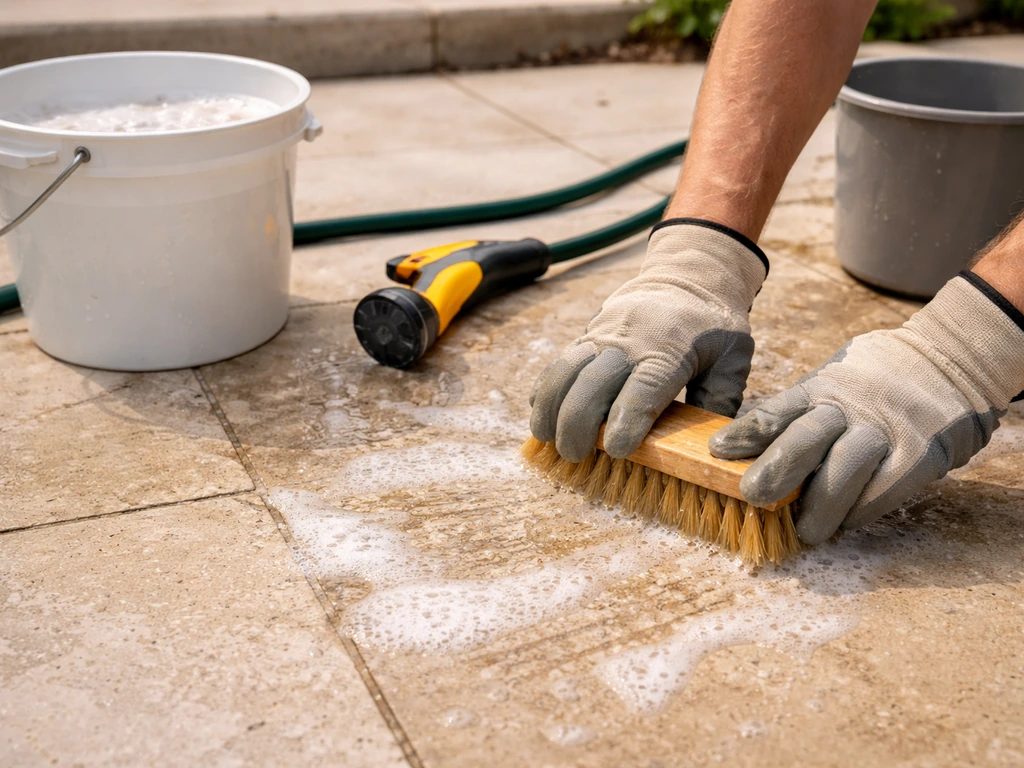
Step 1: Clean the patio thoroughly
Start with a proper stone-safe cleaner. If you have existing efflorescence (white chalky deposits), use a purpose-made efflorescence remover such as Techniseal HD Paver Prep, which is specifically formulated to dissolve those salt deposits without damaging the stone. Techniseal’s efflorescence-prevention material explains that limestone is a porous masonry stone where staining and white deposits can occur if solutions are not tailored to the stone’s porosity [efflorescence (white chalky deposits)](https://techniseal. com/pub/media/contentmanager/content/resource/brochure/CSprevention-cleaning-efflorescencetechnisealusen202203341-432.
pdf). Avoid anything acidic: acids will etch limestone and the damage is permanent. After cleaning, rinse well and let the stone dry completely. On a warm sunny day that means at least 24–48 hours.
In cooler or humid conditions, allow 48–72 hours. The stone needs to be dry all the way through, not just on the surface.
Step 2: Check conditions and do a test patch
Check the weather forecast. You need ambient temperatures between 45°F and 90°F (7–32°C), no rain forecast for at least 24 hours after application, and low humidity if possible. Direct hot sun on the stone surface can cause the sealer to dry too fast, leading to streaking. In summer, apply in the early morning or evening. Do a test patch in a hidden corner first. Apply sealer to a small area, let it dry, and check for any color shift, hazing, or finish you did not expect. This is non-negotiable the first time you seal a new stone, because limestone colors and porosities vary considerably even within the same patio.
Step 3: Apply the first coat
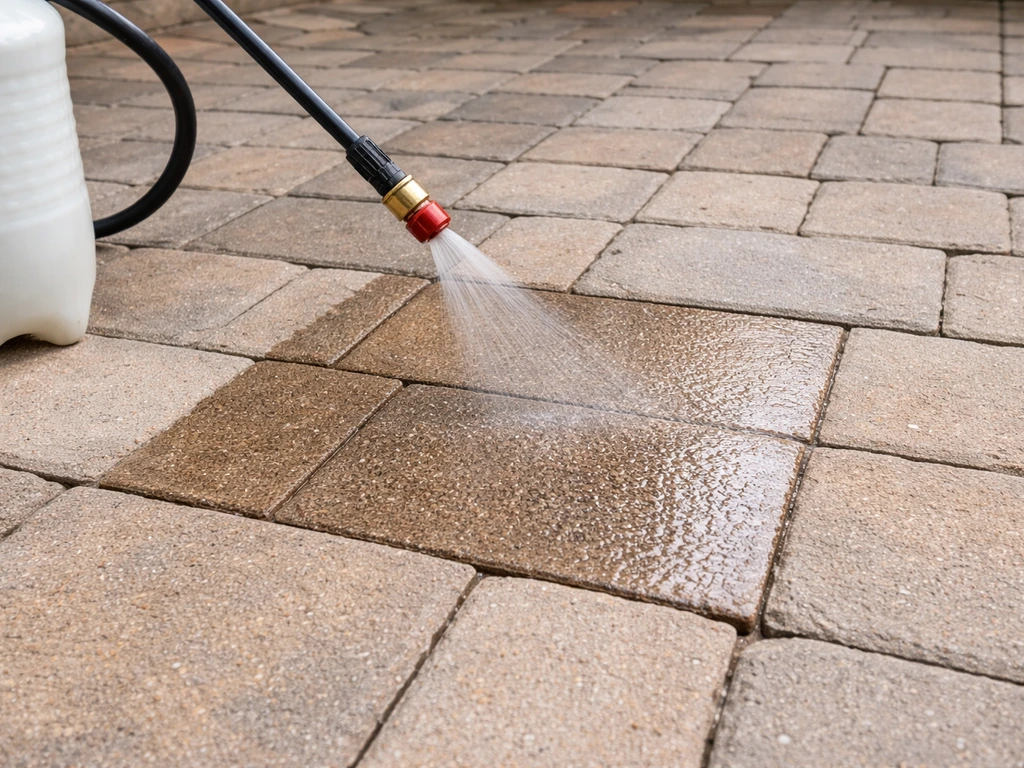
Apply with a low-pressure pump sprayer, a paint roller with a 3/8 inch nap, or a wide brush. Work in manageable sections. Apply generously but not in puddles: you want the stone to absorb the sealer, not sit in a pool of it. Oversaturation is one of the most common mistakes. If the sealer is sitting on the surface in a liquid layer for more than a few minutes without absorbing, you have applied too much. Wipe off the excess with a dry cloth before it dries. For highly porous tumbled limestone, the stone may absorb the first coat almost immediately, which tells you a second coat is needed.
Step 4: Apply the second coat (if needed)
Most penetrating sealers recommend applying the second coat while the first is still slightly tacky or within a defined window, often 30–45 minutes after the first. Follow the product's specific timing guidance here. Applying too late means you are essentially starting over on a sealed surface, which will not absorb as well. For moderately porous limestone, one coat is often sufficient. For highly porous or tumbled stone, two coats is standard.
Step 5: Allow to cure
Most silane-siloxane sealers are dry to the touch within 1–4 hours. Full curing, meaning the chemical bonding reaction within the pores is complete, typically takes 24–72 hours. Do not allow foot traffic or cover the surface during this window. The chemical reaction in silane-siloxane sealers actually requires the slightly alkaline pH of masonry or stone to complete, so the stone itself is doing some of the work. Limestone fits this requirement well.
Testing, common mistakes, and troubleshooting
How to test if the sealer worked
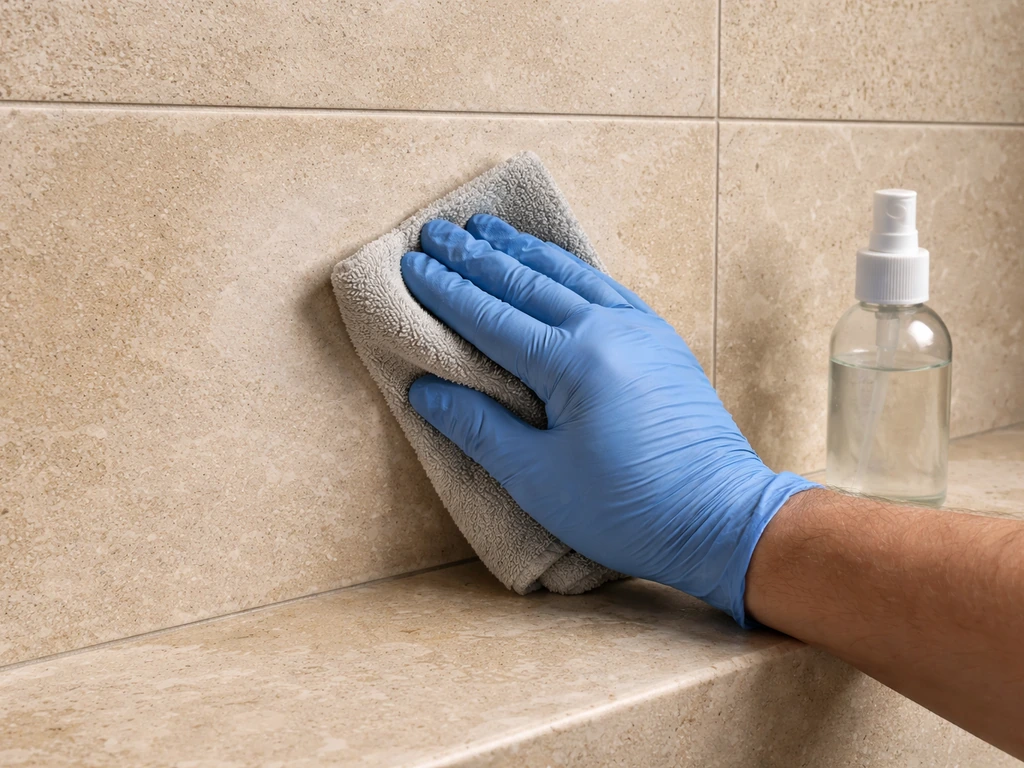
After curing, do the water-drop test again on a sealed area. Water should bead up and sit on the surface rather than absorbing. If it still soaks in quickly, the surface either needed more product or was not dry enough when you applied it. You can do a second application once the stone is confirmed dry, which may fix the issue.
Common mistakes and how to avoid them
- Sealing over damp stone: This traps moisture and causes white hazing or cloudy patches that are very difficult to remove. Always wait for complete dryness.
- Over-applying: Excess sealer sitting on the surface dries as a sticky residue or white film. Wipe off any pooling immediately.
- Using the wrong cleaner before sealing: Acidic cleaners etch limestone. Only use pH-neutral or alkaline stone cleaners.
- Applying in direct hot sun or above 90°F: The sealer flashes dry before penetrating properly, causing uneven coverage and streaks.
- Applying in near-freezing conditions: Penetrating sealers need above 45°F to cure correctly. Applying in cold weather means the chemistry does not complete.
- Skipping the test patch: Limestone from different quarries absorbs sealer at very different rates. A test patch prevents full-patio surprises.
Troubleshooting after application
- Hazing or white film: Usually caused by sealing over damp stone or over-application. Let it cure fully for a few more days first. If it persists, a poultice or stone-safe solvent cleaner may lift it, but prevention is much easier than the fix.
- Patchy appearance or uneven water beading: Some areas absorbed more than others due to variable porosity. A spot re-application to the low-performing areas after the surface is clean and dry will usually even things out.
- Efflorescence still appearing after sealing: Penetrating sealers reduce but do not always eliminate efflorescence if there is a significant moisture source below the patio. Check the sub-base drainage. A breathable sealer allows the salts to move out but a poorly draining base keeps feeding the problem.
- Slippery surface: If you used a penetrating sealer and the stone feels slippery, check whether the surface had any residue before application. If you used a film-forming sealer, this is an expected trade-off and the finish type needs to be reconsidered.
- Sealer not bonding: Most often caused by a dirty or contaminated surface, or applying in out-of-range temperatures. Strip and re-apply after proper prep.
Maintenance, recoat timing, and staying safe during application
How often to reseal
Penetrating silane-siloxane sealers on limestone patios typically last 3–7 years depending on sun exposure, foot traffic, and climate severity. A patio in full sun in a hot climate will deplete faster than one in a shaded, mild environment. The easiest way to check is the water-drop test: if water absorbs into the stone within 30–60 seconds instead of beading up, it is time to reseal. Do this check once a year, ideally in spring before the heavy-use season begins.
Routine maintenance between sealings
- Clean spills promptly, especially oils, wine, and anything acidic.
- Sweep or blow off organic debris (leaves, pollen) regularly to prevent tannin staining.
- Use pH-neutral cleaners for routine washing. Never use vinegar, citrus-based cleaners, or bleach on sealed limestone.
- In winter, avoid calcium chloride ice melt products directly on the stone. Opt for sand or magnesium chloride, which are less aggressive on masonry.
- Check the joints between slabs annually for cracking or biological growth and address early.
Safety and handling during application
Water-based penetrating sealers are among the safest surface treatments to use, but you should still follow basic precautions. Wear chemical-resistant gloves and safety glasses during application. If you are using a pump sprayer, wear a half-face respirator with organic vapor cartridges if the product is solvent-based. For water-based products, good outdoor ventilation is usually sufficient. Keep the product away from drain inlets, waterways, and garden beds during application. Check the product's SDS for specific first-aid steps, PPE requirements, and disposal guidance before you start. If the sealer freezes during shipping or storage, check the manufacturer's guidance on whether it can be thawed and remixed before use, as some water-based products are not recoverable after freezing.
Getting the sealing right the first time is genuinely straightforward if you do the prep work properly and pick a breathable penetrating product. The most common regrets I hear from homeowners are about skipping the test patch, rushing the drying time, or reaching for a shiny wet-look sealer for the aesthetics and then dealing with a slippery, high-maintenance surface for years. A quality silane-siloxane penetrating sealer applied to clean, dry limestone is one of the best maintenance investments you can make for a patio that is meant to last decades.
FAQ
How can I tell if my limestone patio is already sealed, and should I remove the old sealer before applying a new one?
Do a water-drop test in multiple spots. If water instantly beads and stays beaded, you likely have an existing surface film, in which case a penetrating sealer may not bond well. If water absorbs, it is probably unsealed or already breathable, and you can reseal after cleaning. If you see glossy areas, slickness, or cloudy hazing that suggests a film, test a small area first, because removing older coatings may require a specific stripper and rinsing method.
Will sealing my limestone patio change its color or make it look darker?
Penetrating silane-siloxane products are usually “color-stable,” but limestone can still shift slightly because the pores become less absorbent after treatment. That is why the recommended test patch matters, especially on honed or mixed-color stones. If you want absolutely no visible change, select a product labeled “no color change” and confirm on a hidden section under the same lighting conditions as your main area.
Is it safe to seal limestone if there are already stains from food, grease, or rust?
Sealers can repel future staining, but they do not reliably erase embedded stains. Clean stains thoroughly first, then perform a water-drop test to confirm the stone is dry and absorbent. If you have rust or organic discoloration, use the appropriate stone-safe cleaner before sealing, because trapping residue under the sealer can cause uneven dark spots that are hard to correct later.
What happens if it rains shortly after I apply a penetrating sealer?
If rain hits before the sealer has bonded and cured, you can get streaking, uneven repellency, or patchy spots. The article guidance calls for no rain for at least 24 hours, but if a light mist occurs, wipe and let it dry fully, then do a test patch water-drop check after curing. If water absorbs in those spots while the rest beads, you may need a targeted re-application.
Can I apply sealer if temperatures are outside the 45°F to 90°F range?
Avoid it. Below the minimum, bonding and curing slow down and can lead to incomplete pore penetration. Above the maximum, it can dry too fast and increase streaking or roller marks. If you are stuck with borderline weather, shift the job to the warmest part of the day and still follow the product’s own label limits, since some products tighten the temperature window.
Do I need to pressure-wash my limestone before sealing?
Usually not, and doing so can drive contaminants deeper into pores or damage weaker mortar joints. Use a stone-safe cleaning method and rinse well, then allow full drying time. If you do use mechanical cleaning, keep it gentle and avoid high-pressure blasting near edges, because that can create pitted areas that accept sealer differently.
How do I prevent streaks or roller marks during application?
Streaking commonly comes from hot sun, starting and stopping too often, or not keeping a wet edge. Work in small sections, apply evenly (not puddles), and avoid direct midday sun by applying early morning or evening. If your sealer flashes or thickens on the surface, do not “flood back” later, instead adjust your pace and section size for the next area.
Is a second coat always required on tumbled limestone?
Not always, but it is commonly needed because tumbled finishes tend to be more thirsty. Your water-drop test and the “how fast it disappears” patch test are better predictors than the finish name alone. If the first coat soaks in quickly and you do not see improved beading after curing, apply the second coat within the product’s recommended recoat window.
If the water-drop test fails after sealing, why might it have soaked in too fast?
Common causes are insufficient drying time before application, uneven coverage in heavily trafficked zones, or applying too little product for highly porous stone. The next step is to let the area fully cure, then retest in that same spot. If it still absorbs quickly, apply a targeted second application only where needed, rather than resealing the entire patio blindly.
How often should I reseal, and is “every few years” accurate for all climates?
The right interval depends on sun exposure, traffic, and whether you use de-icing salts or see frequent rainfall. The article suggests 3 to 7 years for many situations, and the best decision aid is annual water-drop testing, ideally in spring. Reseal when water stops beading and begins soaking within about the 30 to 60 second range.
Can I seal over efflorescence that is still present or recurring?
Do not seal over active efflorescence. You want it fully removed and, more importantly, understand why it is recurring (often moisture movement through joints or underlying substrate). Use a purpose-made efflorescence remover as directed, rinse thoroughly, and ensure the stone stays dry during the cure period. If efflorescence returns quickly after sealing, you may need drainage or joint repairs before resealing.
What should I do about weeds or moss around the patio after sealing?
Sealing helps reduce future staining and moisture retention, but it does not kill established growth that is already rooted. Remove moss or weeds before cleaning, then allow time for the patio to fully dry. If your product includes biocide, it can help slow re-growth, but drainage and vegetation management are still the long-term fixes.