For most flagstone patios, a penetrating silane-siloxane sealer is the right call. It soaks into the stone, repels water and stains from the inside, stays breathable so moisture doesn't get trapped, and won't peel or haze the way film-forming sealers can. If you want a natural, no-sheen finish, something like Aqua Mix Sealer's Choice Gold or Dry-Treat STAIN-PROOF is a strong starting point.
Best Sealant for Flagstone Patio: How to Choose
Nolan Ellison
17 May 2026
Choosing the best flagstone patio sealer usually comes down to selecting the right penetrating type for your stone, climate, and finish so it can protect without trapping moisture natural, no-sheen finish. If you want a subtle wet look that deepens the color of your flagstone, Foundation Armor WL550 is worth a close look.
The key is matching the sealer type to your stone, your climate, and the finish you're after, and getting the prep right before you apply a drop.
How to pick the right sealer for flagstone
Before you buy anything, you need to answer four questions: What stone do you have? What climate are you in? What finish do you want? And is there an existing sealer already on the stone? Get those answers wrong and you'll end up with a product that hazes, peels, or just doesn't do the job.
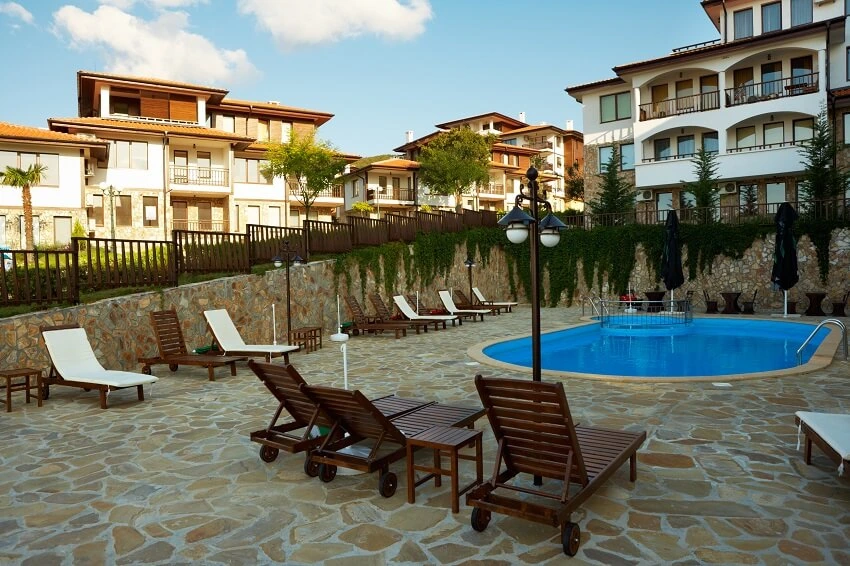
Flagstone is a broad category. It includes bluestone, slate, quartzite, limestone, and sandstone, all with different porosity levels and chemical sensitivities. A dense quartzite flagstone barely needs sealing; a soft sandstone flagstone can soak up cooking oil or wine in seconds if left unsealed. Porosity is the single biggest variable, and it determines how much sealer the stone will absorb and how often you'll need to recoat.
Climate matters a lot too. If you're in a freeze-thaw zone, think the Midwest, Northeast, or high-altitude areas, you need a sealer that's explicitly rated for freeze-thaw protection and is breathable enough to let water vapor escape. Trapping moisture inside stone during a hard freeze causes spalling and cracking. In hot, dry climates your main enemies are UV fading and oil stains from outdoor cooking. In humid coastal climates, you're fighting biological growth and salt spray.
- Identify your stone type before buying (ask your supplier or do a water drop test — a fast-absorbing stone is highly porous)
- Decide on your desired finish: natural/no-sheen, slight color enhancement, or a full wet look
- Check whether an existing sealer is present (old film-forming sealer must be stripped before applying a penetrating sealer)
- Consider your climate — freeze-thaw zones need breathable, vapor-permeable sealers rated for that use
- Think about foot traffic and stain risk — a patio next to an outdoor kitchen needs maximum stain resistance
Penetrating vs topical sealers: which one actually belongs on flagstone
This is the most important decision you'll make, and for outdoor flagstone the answer is almost always penetrating. Here's why. A topical or film-forming sealer sits on top of the stone surface and creates a physical barrier. On an outdoor patio, that film gets abraded by foot traffic, attacked by UV, and, most critically, can trap moisture underneath it. When moisture has nowhere to go (especially in freeze-thaw cycles), you get efflorescence, spalling, and peeling. You'll also see whitish hazing if the stone wasn't bone-dry before application. Film-forming sealers tend to need stripping and reapplication every one to three years, which is a significant maintenance commitment.
Penetrating sealers work differently. They absorb into the stone's pores and bond chemically, leaving the surface looking essentially the same (or slightly enhanced) while repelling water and stains from within. Because they don't form a surface film, they stay breathable, water vapor can still escape. Dry-Treat STAIN-PROOF specifically markets this as 'super breathable' vapor escape that prevents moisture buildup and protects against efflorescence, freeze-thaw damage, and salt spalling. Sikagard H 177 makes a similar claim as a breathable silane-siloxane water repellent. Breathability is non-negotiable for outdoor stone in most climates.
| Feature | Penetrating Sealer | Topical/Film-Forming Sealer |
|---|---|---|
| How it works | Absorbs into stone pores, bonds chemically | Forms a physical film on top of the surface |
| Appearance | Natural look or slight color enhancement | Can add sheen; wet look or glossy finish common |
| Breathability | Yes — vapor can escape | No — traps moisture beneath the film |
| Freeze-thaw safety | Yes, when vapor-permeable | Risk of spalling and peeling if moisture is trapped |
| Durability outdoors | 3–10+ years depending on product and traffic | 1–3 years before recoat or strip needed |
| Peeling/hazing risk | Low | High if applied to damp or contaminated stone |
| Best for flagstone patio | Yes — recommended | Generally not recommended for outdoor natural stone |
There are situations where a topical sealer makes sense, mainly indoor stone floors where you want a high-gloss look and you can control moisture. For an outdoor flagstone patio, stick with penetrating.
Best sealer options by stone type
Not all flagstone is the same, and the sealer that works perfectly on dense bluestone might be overkill (or inadequate) for soft sandstone. Here's how to think through it by stone type.
Standard flagstone (bluestone, slate, quartzite)
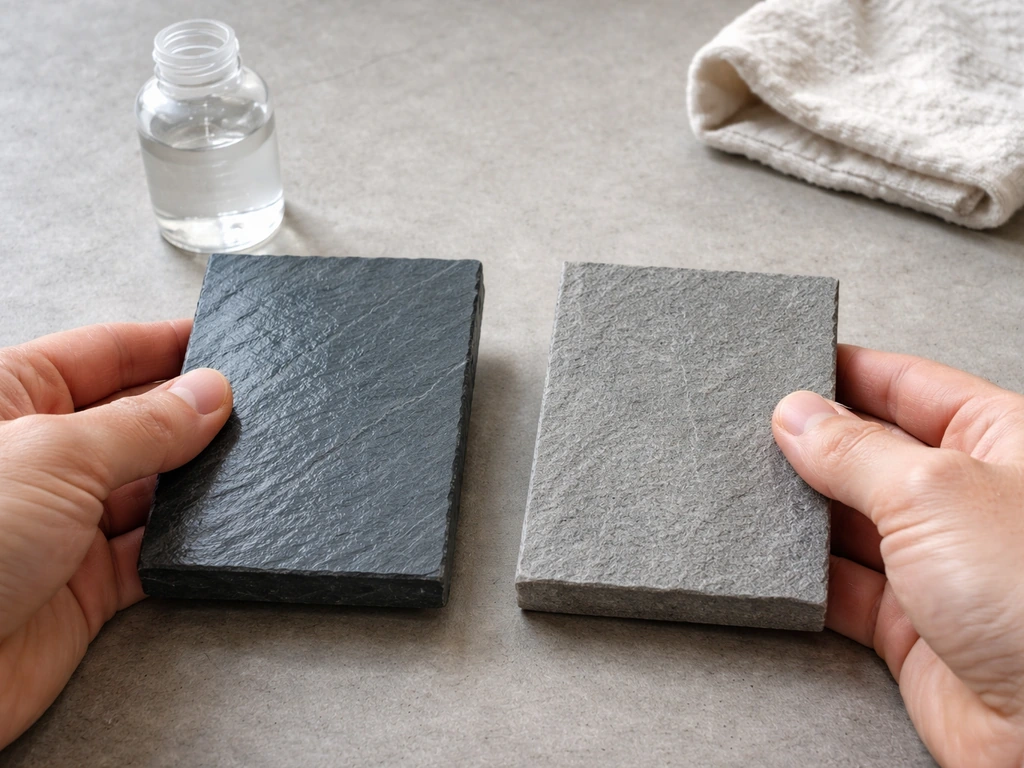
These are denser stones with moderate porosity. They still benefit from sealing, especially for stain resistance and freeze-thaw protection, but they're more forgiving. Aqua Mix Sealer's Choice Gold is a reliable choice here: it's a [water-based penetrating sealer formulated for maximum stain protection](https://www. custombuildingproducts.
com/wp-content/uploads/2021/11/Aqua-Mix%C2%AE-Sealers-Choice%C2%AE-Gold. pdf) with a natural, no-sheen finish. It works well on bluestone and slate without altering the color. Dry-Treat STAIN-PROOF Waterbased is another strong option, especially if you want long-term protection and breathability.
For a wet look that deepens the natural color of darker flagstone like slate or bluestone, Foundation Armor WL550 (a solvent-based silicone penetrating sealer) does a good job of slightly enhancing color while still being a penetrating formula, it explicitly lists flagstone, slate, and bluestone as target substrates.
Sandstone flagstone
Sandstone is highly porous and absorbent, which means it stains easily and needs sealing more urgently than denser stones. It also means it'll drink more sealer per square foot, budget accordingly. For sandstone, maximum stain protection is the priority. If you have sandstone, prioritize a penetrating sealer that offers strong stain blocking, especially for porous stone that can absorb spills quickly.
Aqua Mix Sealer's Choice Gold handles sandstone well because of its premium stain-blocking formulation. Dry-Treat STAIN-PROOF is another excellent pick, particularly in freeze-thaw climates because of its breathability. Avoid solvent-based wet-look sealers on lighter sandstone, they can darken the stone more than you expect. If you're specifically researching sandstone patio sealers, there's more depth available in dedicated sandstone sealer reviews.
If you want to compare brands and see real-world performance, a patio stone sealer review can help you narrow the choices for your sandstone. A quick patio stone sealer review can also help you compare penetration depth, breathability, and stain performance on sandstone specifically.
Limestone flagstone
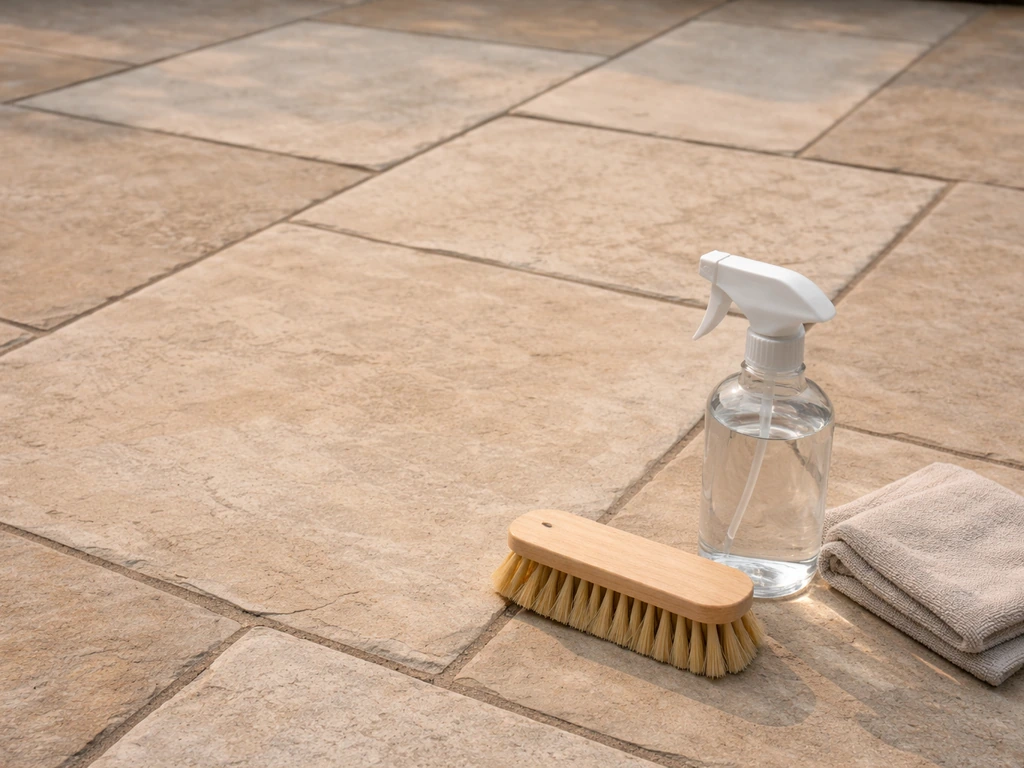
Limestone is porous and acid-sensitive, which means you have to be careful about what you apply and what you clean with. A water-based penetrating silane-siloxane sealer is the safest bet, Sikagard H 177 fits well here as a breathable, water-based silane-siloxane product. blank" rel="noopener noreferrer">SikaCem®-102 First Seal® is described as a reactive water-based silane-siloxane penetrating sealer intended for unsealed concrete and cementitious overlays, and it lists natural stone among its target surfaces, which fits the penetrating, non-film approach for breathing stone. Avoid acidic cleaners before or after sealing, and don't use solvent-based products unless the manufacturer confirms compatibility with limestone specifically. If limestone is your main stone type, there are sealer guides focused specifically on limestone patios worth consulting.
Quick reference: sealer picks by use case
| Use Case | Recommended Product Type | Example Products |
|---|---|---|
| Best overall for most flagstone | Water-based penetrating silane-siloxane | Aqua Mix Sealer's Choice Gold, Dry-Treat STAIN-PROOF Waterbased |
| Best for sandstone (high porosity) | Water-based penetrating, max stain resistance | Aqua Mix Sealer's Choice Gold, Dry-Treat STAIN-PROOF |
| Best for wet look / color enhancement | Solvent-based penetrating silicone | Foundation Armor WL550 |
| Best for freeze-thaw climates | Breathable penetrating silane-siloxane | Dry-Treat STAIN-PROOF Original, Sikagard H 177 |
| Best for limestone | Water-based penetrating silane-siloxane | Sikagard H 177 |
| Best for maximum stain protection | Premium water-based penetrating | Aqua Mix Sealer's Choice Gold, Dry-Treat STAIN-PROOF |
Test before you seal: don't skip this step
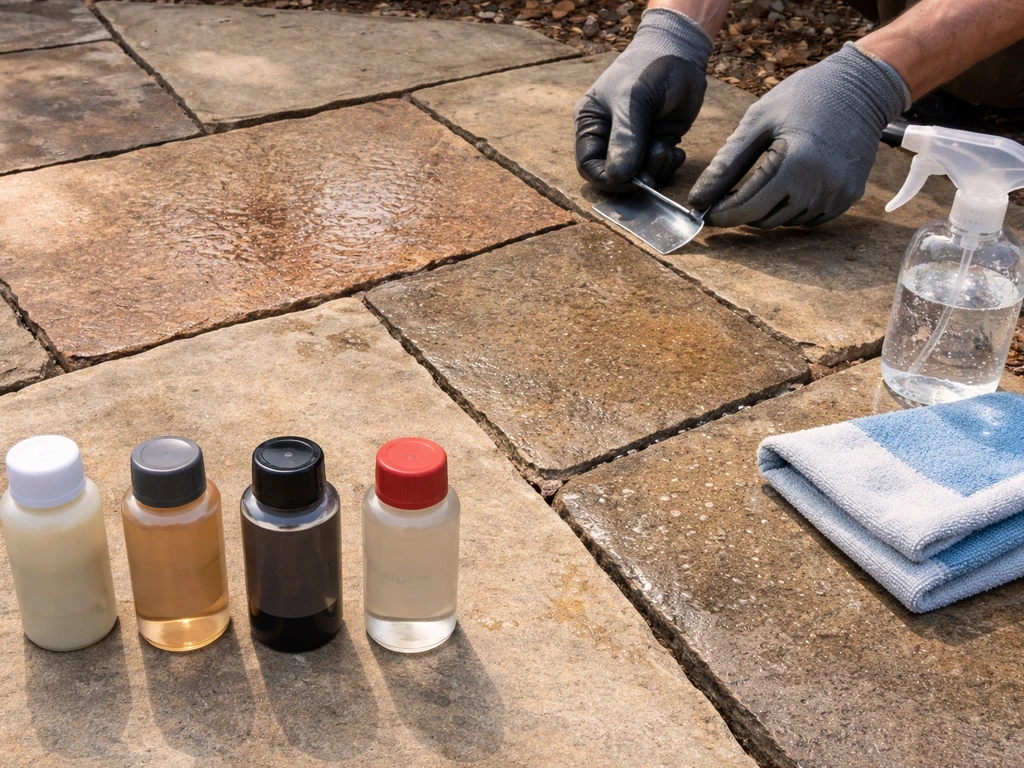
I cannot stress this enough: always do a test patch first. Apply your chosen sealer to a small, inconspicuous area, maybe a square foot in a corner, and let it cure fully before you judge it. Dry-Treat specifically calls for a 24-hour cure time before evaluating results. That waiting period matters because some sealers look fine wet but change the color or sheen of the stone as they cure. I've seen homeowners apply a wet-look sealer across an entire patio only to find it darkened the stone far more than the 'slight enhancement' they were expecting.
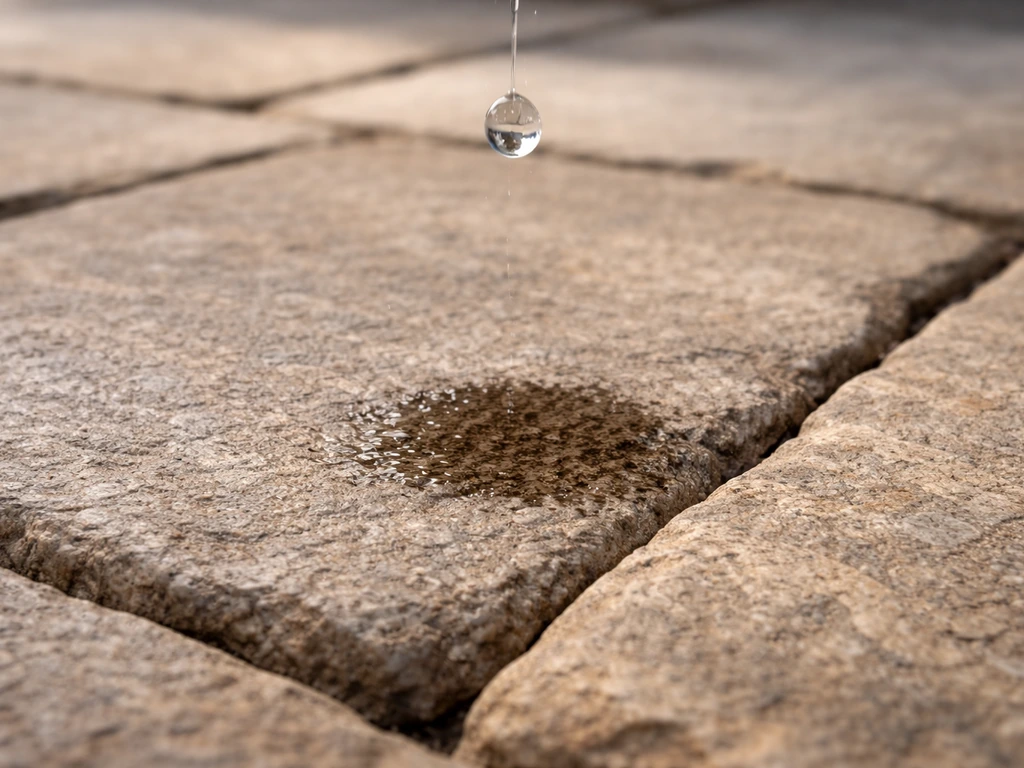
Beyond the test patch, do a water absorption test on the bare stone before buying anything. Drip a few drops of water on the surface. If it soaks in within 30 seconds, the stone is highly porous and needs sealing badly. If it beads for several minutes, the stone is denser and you can be more selective about product. If water beads immediately and doesn't absorb at all, there may already be a sealer on the stone, in which case you need to determine whether it's still active or needs to be stripped before reapplication.
Prep and application steps that actually make a difference
A good sealer applied to poorly prepped stone will fail faster than a mediocre sealer applied correctly. Prep is where most DIY sealing jobs go wrong.
- Clean the stone thoroughly — remove all dirt, algae, grease, and efflorescence. Use a pH-neutral stone cleaner for general cleaning. For biological growth, use a purpose-made algae or moss remover. Avoid acidic cleaners on limestone.
- Strip any existing sealer if it's a film-forming type — penetrating sealers can't properly absorb through an existing film. Use a sealer stripper designed for stone and follow the manufacturer's instructions carefully.
- Repair cracks and joints before sealing — if you have cracked flagstone or deteriorating mortar or polymeric sand joints, fix those first. Sealing over damaged joints just locks problems in.
- Let the stone dry completely — most penetrating sealers require the stone to be dry to a certain depth. After cleaning, wait at least 24 to 48 hours in dry weather. In humid conditions, wait longer. When in doubt, check with a moisture meter.
- Do your test patch and wait 24 hours to evaluate the look and performance before committing to the full application.
- Apply the sealer in thin, even coats — don't flood the surface. Work in small sections, apply with a low-pressure sprayer or a lambswool applicator, and back-roll or spread evenly. Two thin coats are better than one heavy coat.
- Wipe off any excess sealer before it dries — any sealer that pools or puddles on the surface rather than absorbing into the stone should be wiped away within the window specified by the manufacturer (usually 10 to 30 minutes). Dried excess creates a hazy residue.
- Allow full cure time before foot traffic — most penetrating sealers need 24 to 72 hours before light foot traffic and longer before heavy use. Check the product TDS for the specific cure schedule.
Temperature and humidity during application matter more than people realize. Most sealers should be applied when the stone surface temperature is between 50°F and 90°F and when no rain is expected for at least 24 hours. Applying in direct midday sun on a hot surface can cause solvent-based sealers to dry too fast, leaving streaks or uneven absorption.
Water protection, stain resistance, and freeze-thaw: what to actually expect
A good penetrating sealer will make water bead on the surface and significantly slow the absorption of oil and other stains. It will not make your flagstone stain-proof in the sense that nothing can ever penetrate it, it just buys you time. A properly sealed bluestone patio might give you 5 to 10 minutes to blot up a cooking oil spill before it soaks in. An unsealed sandstone patio might give you 30 seconds. That extra time is the practical benefit.
For freeze-thaw protection specifically, the mechanism matters. Water expands about 9% when it freezes. If water is trapped inside stone pores and freezes, that expansion can crack or spall the stone. A breathable penetrating sealer reduces water infiltration while still allowing the stone to breathe, water vapor can escape even as liquid water is repelled. Products like Dry-Treat STAIN-PROOF Original are explicitly designed around this principle and claim protection against efflorescence, freeze-thaw damage, and salt spalling. This is why breathability is non-negotiable in cold climates, a vapor-impermeable topical sealer can actually make freeze-thaw damage worse.
Efflorescence, those white salt deposits that appear on stone surfaces, is caused by soluble salts migrating through the stone with water and crystallizing at the surface as the water evaporates. A good breathable penetrating sealer reduces the water movement that drives efflorescence, but it's not a guaranteed cure if you have a serious underlying moisture or drainage problem. Address drainage issues at the source rather than expecting a sealer to handle it.
Maintenance, recoating, and fixing common problems
How often to recoat
Recoat intervals vary significantly by product and conditions. A basic silane-siloxane sealer might need reapplication every 2 to 3 years on a high-traffic patio. Premium products like Dry-Treat STAIN-PROOF claim much longer protection, sometimes 10 years or more on suitable stone, though real-world results depend on traffic, climate, and stone type. Foundation Armor WL550's TDS notes it can be recoated when needed, without specifying a fixed interval, which is practical because your conditions determine the timeline more than a calendar does.
The simplest way to know if your sealer needs reapplication is the water test: drip water on the stone. If it still beads and rolls off, the sealer is working. If it absorbs quickly, it's time to recoat. Do this test annually, especially after a harsh winter.
Common problems and how to fix them
- White haze or milky residue: Usually caused by applying sealer to damp stone or leaving excess sealer on the surface. Try scrubbing with a stiff brush and warm water first. If that doesn't work, a sealer remover or xylene (for solvent-based products) may be needed.
- Sealer peeling or flaking: This is a film-forming sealer problem. Strip it completely before reapplying. Penetrating sealers don't peel because they don't form a surface film.
- Sealer not absorbing: The stone may already be sealed, or it's too damp. Do the water drop test — if water still beads on the stone, there's residual sealer blocking absorption. Strip and reapply.
- Uneven color or darkening: Often caused by uneven application or applying to stone with varying moisture content. Test patches help catch this before full application. Some products allow for stripping and re-doing if you act quickly.
- Efflorescence returning after sealing: The underlying moisture or drainage issue hasn't been addressed. Sealing slows but doesn't eliminate efflorescence when there's active water movement through the stone from below.
- Stains still soaking in: The sealer may be past its service life, or the stone is extremely porous and absorbed the sealer unevenly. Reapply after thorough cleaning and drying.
Routine maintenance to extend sealer life
Clean your sealed flagstone patio regularly with a pH-neutral cleaner and avoid harsh acidic or alkaline products that can degrade the sealer prematurely. Rinse off leaf debris promptly, decomposing organic matter creates acidic runoff that wears down sealers and stains stone. Avoid pressure washing at high settings, which can strip sealer and erode grout or polymeric sand joints. A low-pressure rinse or gentle surface wash is fine. If you're in a region with heavy salt use on adjacent surfaces (driveways, sidewalks), rinse the patio after winter to prevent salt migration.
The bottom line is that sealing a flagstone patio is a straightforward job if you match the product to the stone, prep properly, and don't rush the application. A penetrating silane-siloxane sealer, whether water-based for a natural finish or solvent-based for a wet look, is the right foundation for almost every outdoor flagstone situation. If you're aiming for the best natural stone patio sealer, look for a breathable penetrating silane-siloxane product that matches your stone and climate. Test your patch, wait 24 hours, and then commit to the full application with confidence.
FAQ
How can I tell if my flagstone already has an old penetrating sealer versus a topical one?
Do a water test in multiple spots and then look for surface behavior. If water beads and sits on top for several minutes, it is likely either still active or film-forming. If water soaks in quickly but the stone looks uniformly darker, it may be a penetrating sealer that has become less effective. For a clearer answer, check the product label you used previously if you know it, or test a small area with your chosen sealer and compare the color change to your first patch results.
What should I do if my test patch looks great while wet, but turns darker or slightly different after curing?
Let the patch cure fully, not just until it dries to the touch. Many sealers change appearance as solvents or carriers evaporate and the chemical bonds finish developing. Once cured, if the color is too dark for your preference, switch to a product positioned as natural or no-sheen, or choose a different finish option (for example, water-based natural look instead of wet-look enhancement) and repeat the patch in a similar stone type and shade.
Is it safe to seal over moss stains, old algae, or efflorescence?
Not usually. You want to remove growth and salts to address the cause, otherwise you can lock in staining or slow the drying process. Scrub and clean first, rinse thoroughly, and allow full drying before sealing. If efflorescence is active after cleaning, treat drainage and moisture sources first, because sealing alone will not stop ongoing salt migration.
Can I seal new flagstone right after installation, and how long should I wait?
Wait until the stone and joints have fully cured and dried, especially if masonry work, grout, or polymeric sand was used. A practical rule is to wait several days to a few weeks depending on weather and mortar curing time, then run the water absorption test on bare stone. If water still absorbs rapidly, the stone is not dry enough or not ready for sealing yet.
Do I need to seal the entire patio including grout or polymeric sand joints, or only the stone?
In most cases, focus on the stone surface only, then follow the sealer label for joint compatibility. Penetrating sealers may still migrate slightly, but they are not designed to seal polymeric sand like an adhesive barrier. If you seal joints improperly, you can weaken joint texture or create uneven appearance, so keep application controlled and wipe drips promptly.
How do I avoid streaking or uneven coverage when applying a penetrating sealer?
Streaking usually comes from applying too much, working on a surface that is too hot, or not keeping a consistent wet edge. Apply at the temperature window recommended on the label, work in manageable sections, avoid over-saturation, and stop when the stone has reached the product’s intended amount. If you are using a solvent-based product, extra caution is needed because it can flash off faster and exaggerate blotchiness.
Should I use a wet-look sealer if my priority is stain protection?
Not always. Wet-look products may enhance color more than they increase protection, and some film-forming formulas trade breathability for appearance. If your main concern is preventing oil or food stains from penetrating, prioritize a breathable penetrating silane-siloxane that is rated for stain resistance on your specific stone type, then choose the finish only if the label confirms compatibility with outdoor use and your stone.
How long after sealing can I walk on the patio or move furniture onto it?
Follow the product label, since “dry to touch” and “ready for traffic” can differ. As a best practice, avoid foot traffic until the sealer is fully cured per label instructions, and protect the surface from heavy loads, planters, and chair legs immediately after application. If you must use the patio sooner, restrict to light traffic and test a small area first.
How do I choose between water-based and solvent-based penetrating sealers?
Choose water-based when you want a more natural, lower-odor application and easier cleanup, and solvent-based when you specifically need wet-look enhancement or faster performance on certain stones, if the label supports your substrate. Regardless of type, temperature and drying conditions matter most. Also confirm compatibility for your stone type, especially for limestone and other acid-sensitive materials.
Will sealing really prevent oil stains, or does it just slow them down?
Sealing improves stain resistance by reducing how fast liquids penetrate and spread, it does not make stone permanently stain-proof. The practical goal is more time for cleanup, on dense stones it can be several minutes, on highly porous stones it can be much shorter. Treat spills immediately, blot rather than wipe, and use a cleaner that matches the sealer chemistry and stone type.
How often should I reapply sealant if I have a high-traffic patio?
Use performance testing instead of relying on calendar time. Do the annual water absorption test, if water no longer beads and soaks in quickly, recoat. High-traffic areas, heavy sun exposure, and wet winters can shorten intervals, while sheltered patios and denser stone can extend them.
What cleaning products should I avoid after sealing?
Avoid cleaners with strong acids or alkalis, and avoid harsh degreasers that can soften or degrade the sealer over time. Also be cautious with pressure washing, high pressure can erode grout or jointing and physically remove sealer from the surface. Use pH-neutral products, gentle brushes, and low-pressure rinsing.
What if water still soaks in quickly after sealing, does that mean the product failed?
Not necessarily. It can mean the stone was too wet during application, the sealer amount was insufficient for that porosity level, or there is a pre-existing coating that was interfering. Re-run the water test after full cure. If the stone’s absorption remains unchanged, evaluate prep quality, confirm the sealer type matches the stone, then consider a second application only after verifying label recoat guidance.