A pea gravel patio is one of the cheapest, fastest patios you can build, and it handles drainage better than almost any hard surface. The real trade-offs are ongoing maintenance (raking, topping off, weed control) and the fact that gravel moves underfoot, which makes it a poor fit for heavy furniture or bare-foot-friendly entertaining spaces. If you go in with the right expectations and build it correctly from the start, a pea gravel patio can last for years with minimal cost. If you skip the base prep or edging, you'll be fighting it every season.
Pros and Cons of a Pea Gravel Patio: Costs, Drainage, and Tips
Nolan Ellison
3 May 2026
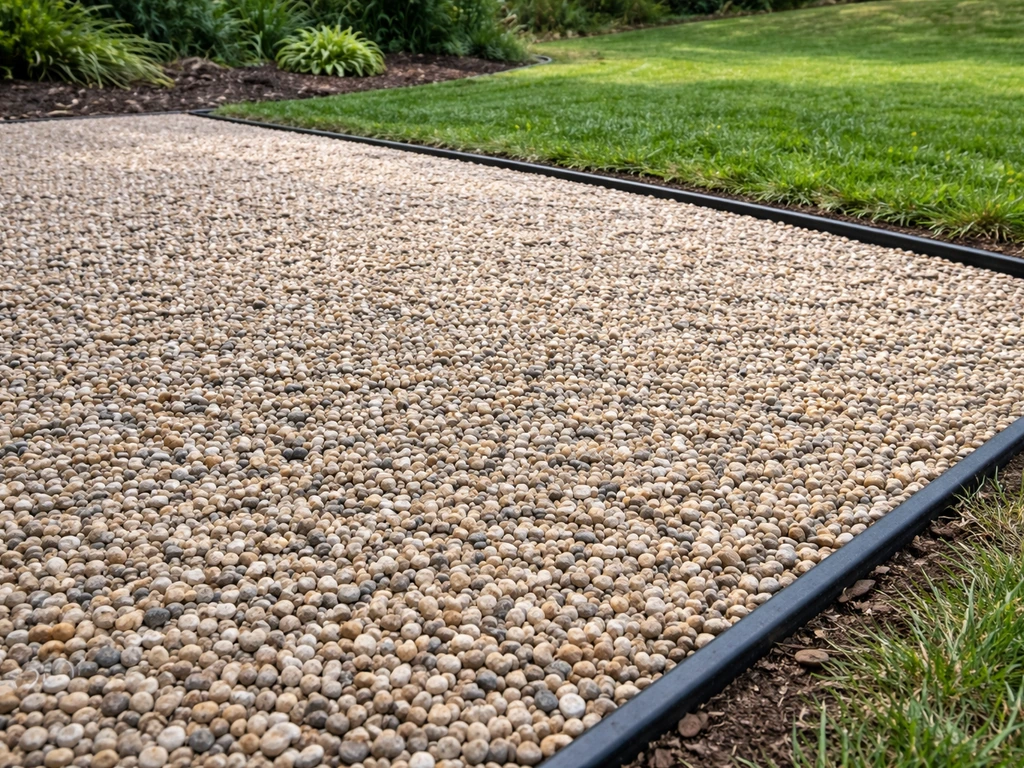
What a pea gravel patio actually is (and how it's different from other gravel patios)
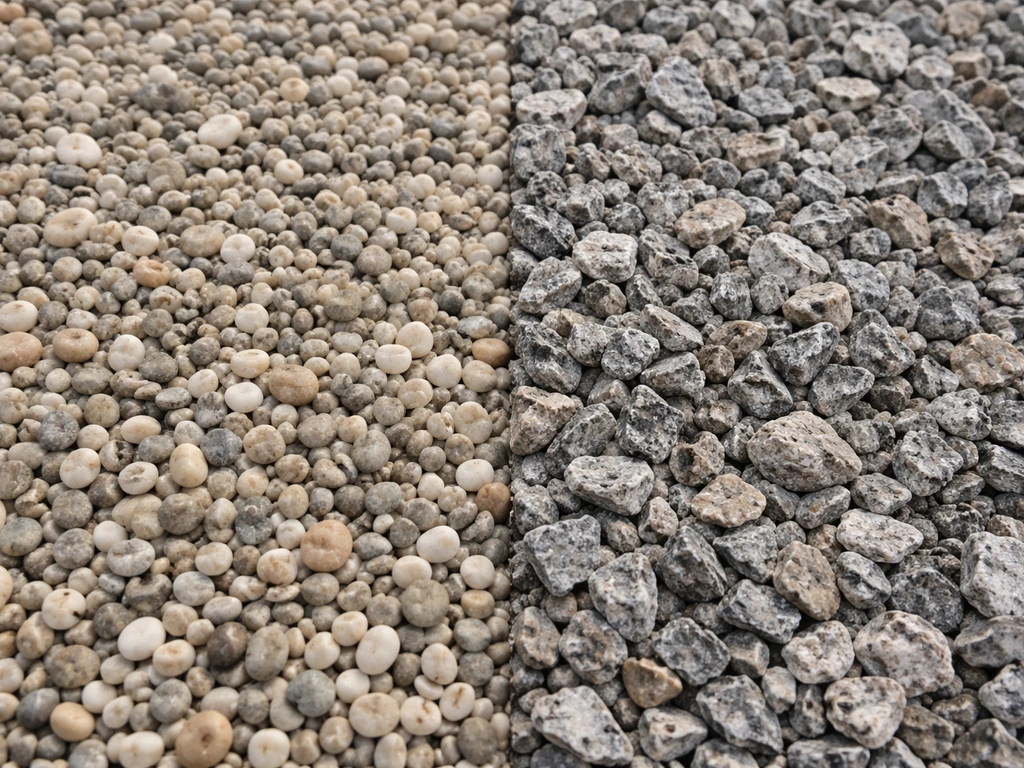
Pea gravel is a naturally rounded, smooth stone that typically runs between 1/8 inch and 3/8 inch in diameter. The 3/8-inch size is the most common choice for patios and pathways because it's large enough to stay relatively put but small enough to feel comfortable underfoot. Most patios and walkways commonly use #8 (pea-stone) grading, which is typically about 3/8 inch and may run up to around 1/2 inch depending on the grading description. The 1/4-inch size shows up more in decorative applications. That smooth, rounded shape is what sets pea gravel apart from crushed gravel, which has angular edges that lock together and compact into a firmer surface.
Because pea gravel is round, it doesn't interlock. It shifts and rolls when you walk on it, which is the defining characteristic that drives most of the pros and cons. Crushed gravel and decomposed granite compact much more firmly underfoot because their jagged edges bind together. Mixed-size gravel (a blend of fines, mid-sizes, and larger stones) can also compact better than pure pea gravel. For a patio surface where you want maximum stability, those angular alternatives perform better. Pea gravel wins on looks, drainage, and softness underfoot when wearing shoes.
The real pros of a pea gravel patio
Cost and ease of installation
Pea gravel is one of the least expensive patio materials available. Bulk gravel typically costs a fraction of what you'd pay for flagstone, porcelain tile, or even basic pavers once you factor in materials and labor. If you're weighing flagstone patio pros and cons, comparing upfront cost, labor, and long-term upkeep will help you pick the better fit for your yard. DIY installation requires no special tools or skills beyond basic digging and compacting. You can realistically build a modest pea gravel patio over a weekend, compared to days or weeks for a tiled or flagstone surface. There's no curing time, no mortar, and no precision cutting.
Drainage
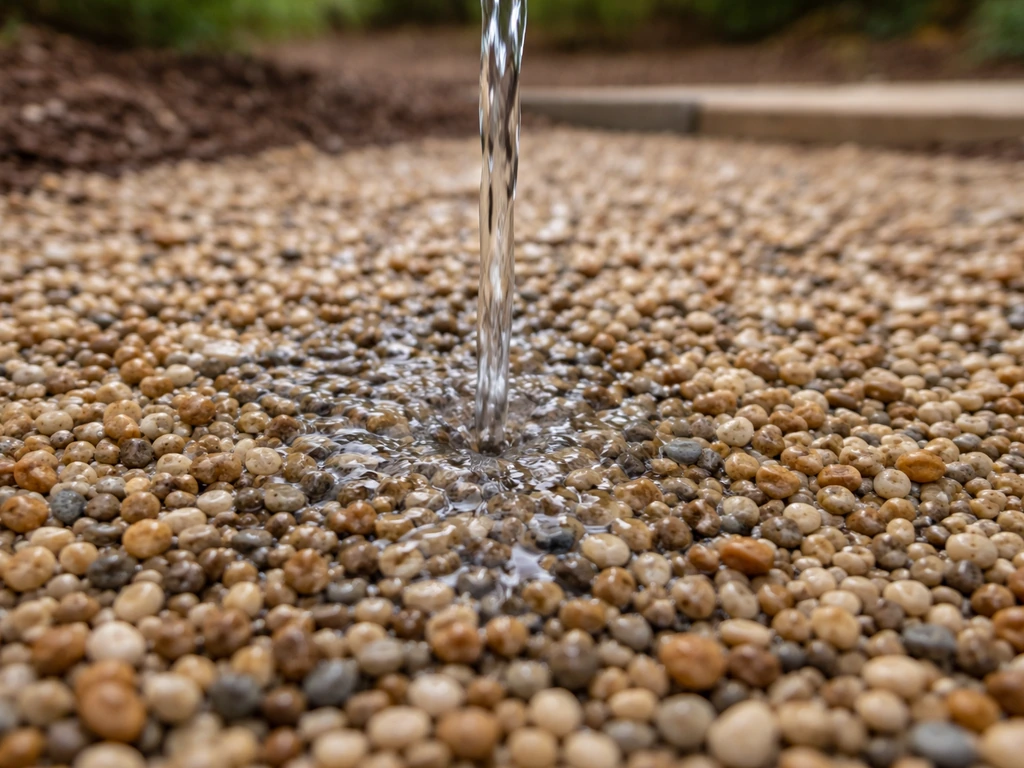
This is where pea gravel genuinely shines. Water passes straight through a gravel surface, so you eliminate puddles and runoff almost entirely. On sites with clay-heavy soil or low spots that hold water, a properly built pea gravel patio can actually improve drainage compared to a solid slab or impermeable tile surface. It also helps avoid the erosion problems you sometimes see around hard-edged patios during heavy rain.
Comfort and aesthetics
The rounded stones have a satisfying crunch underfoot and stay much cooler than concrete or dark pavers in full sun. On a hot summer afternoon, a concrete slab can become genuinely painful to walk on barefoot. Pea gravel stays closer to ambient air temperature. It also looks natural and informal, which works well in cottage gardens, woodland settings, or anywhere you want a relaxed, organic feel rather than a formal hard surface.
Flexibility and repairability
You can shape a pea gravel patio around irregular spaces, curves, and awkward yard geometry that would require expensive custom cutting with tile or stone. If a section sinks or develops a low spot, you fix it by raking and adding more gravel, not by jackhammering and re-pouring. You can also expand the patio later by just extending the edging and adding more gravel, which is nearly impossible to do cheaply with a hard surface.
The honest cons you need to know before you build
It shifts and sinks over time
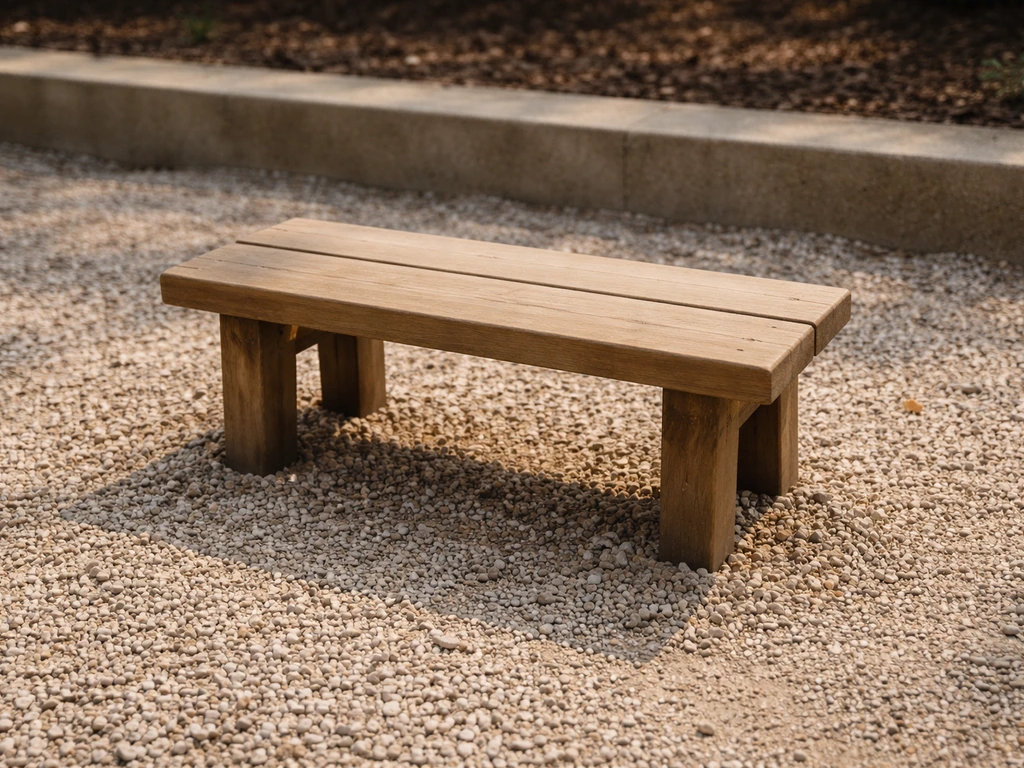
Because the stones are round and loose, they migrate. High-traffic paths get pushed aside, furniture legs sink in, and low spots develop over time. This isn't a one-time fix; it's an ongoing management task. If you set a heavy dining table or grill on pea gravel without a base pad, the legs will slowly sink and the table will become unstable. Some people place concrete pavers or flagstone stepping stones in the heaviest traffic areas to solve this, which works well but adds cost.
Weed intrusion
Weeds will push up through any gravel surface if you don't use landscape fabric underneath and keep up with spot treatments. Airborne seeds settle into the gravel layer and germinate, and roots from surrounding beds can creep in under the edging. This is manageable but not zero-effort. Without fabric, expect serious weed pressure within a season or two.
Mess and tracking
Gravel follows people into the house. Kids, pets, and shoes all carry stones across the yard and onto hard floors inside. This is probably the most common complaint from homeowners who install pea gravel near a back door. A transitional mat or a short section of stepping stones between the patio and the door helps, but it doesn't eliminate the problem entirely.
Ongoing maintenance
You'll need to rake the surface back into shape periodically, especially after heavy rain or heavy foot traffic. You'll also need to top off the gravel every year or two as stones inevitably migrate or sink into the soil. Neither task is difficult, but they do add to the annual maintenance workload in a way that a well-built flagstone or tile patio doesn't.
Not ideal for bare feet, kids playing, or wheelchairs
Walking on pea gravel in bare feet is uncomfortable for most people, especially kids. It's also an unstable surface for anyone with mobility challenges, and it's genuinely difficult to push a stroller or wheelchair across. If your patio needs to function as a play area or accessible space, a hard surface is the right call.
Pea gravel vs. other patio surfaces: how it stacks up
| Material | Cost (relative) | Drainage | Stability | Maintenance | Best for |
|---|---|---|---|---|---|
| Pea gravel | Low | Excellent | Low | Moderate (raking, topping off) | Budget builds, drainage-heavy yards, informal look |
| Crushed/angular gravel | Low | Very good | Medium | Moderate | Better underfoot stability than pea gravel, still informal |
| Decomposed granite | Low-medium | Good | Medium-high (when stabilized) | Low-moderate | Firm surface, dry climates |
| Flagstone | Medium-high | Good (gaps) | High | Low | Natural look, long-term investment |
| Brick pavers | Medium | Moderate | High | Low-medium | Traditional look, durable, DIY-friendly |
| Porcelain tile | High | Poor (solid surface) | Very high | Low | Formal spaces, low maintenance |
| Concrete slab | Medium | Poor | Very high | Low | Maximum durability, utilitarian |
Among gravel options specifically, pea gravel is the softest and best-looking but the least stable. Crushed angular gravel gives you better compaction and stability if you don't mind a rougher, more utilitarian appearance. Decomposed granite can be stabilized with a polymer binder for a firmer surface, though it comes with its own set of problems in wet climates. If you're comparing pea gravel to flagstone or pavers, the core question is budget and intended use: pea gravel costs far less upfront but requires more ongoing effort, while flagstone and pavers cost more but largely take care of themselves once installed.
Installation basics that directly affect how the patio performs
How deep to dig and what to put down
The total excavation depth should be around 4 to 4.5 inches. That breaks down as roughly 2 to 2.5 inches of compacted crushed stone base (your foundation layer) plus 2 inches of pea gravel on top. Don't skip the compacted base and just pour gravel straight onto soft soil. Without a firm base, the patio will shift and sink much faster, and you'll constantly be fighting uneven spots.
Landscape fabric: use it
Lay weed-barrier landscape fabric over the compacted base before adding gravel. This is the single most effective thing you can do to reduce long-term weed pressure. Use a commercial-grade woven fabric, not the cheap thin stuff. The fabric prevents weeds from pushing up from below while still allowing water to drain through. It won't stop airborne seeds from germinating in the top layer of gravel, but it dramatically reduces the root systems that establish and become hard to remove.
Edging: this is non-negotiable
Solid edging is what keeps pea gravel from migrating into your lawn, garden beds, and eventually everywhere you don't want it. Use metal landscape edging, plastic paver edging, wood timbers, concrete borders, or decorative stone edging. Set the edging so the top of the finished gravel surface sits about 1/2 inch below the top of the edging. That lip keeps gravel contained when it gets kicked or shifted. Skipping edging is the number one reason pea gravel patios look messy within a year.
Compaction of the base
Tamp the crushed stone base firmly before laying fabric and adding pea gravel. A hand tamper works for small areas; rent a plate compactor for anything over about 100 square feet. A poorly compacted base means the gravel layer above it will settle unevenly, creating low spots and soft zones that are frustrating to deal with long-term.
Maintenance and troubleshooting
Raking and leveling
A light raking every few weeks keeps the surface level and redistributes gravel that's been pushed aside by foot traffic. After heavy rain, do a quick pass to smooth out any washout areas near the perimeter. A standard bow rake works fine. Budget maybe 10 minutes for a typical patio.
Topping off
Expect to add a thin layer of fresh gravel every one to two years as stones migrate or work their way deeper into the base. A bag or two of matching pea gravel handles most top-offs for a small patio. For larger surfaces, order a partial yard from a landscape supplier. Keep a note of the exact gravel size and source so you can match the original material.
Weed control
Even with fabric down, weeds will germinate in the gravel layer itself because airborne seeds land in the stones and find enough organic matter to sprout. Spot-treat with a non-selective herbicide or pull by hand before roots establish. Doing a quick pass in spring and again in midsummer keeps the problem from getting ahead of you. A pre-emergent herbicide applied in early spring also helps significantly.
Runoff and erosion at the edges
If your patio is on a slight slope, heavy rain can wash gravel toward the downhill edge. A slightly raised edging lip on the downhill side helps contain this. If you notice consistent washout from a specific direction, consider adding a small decorative border of larger stones along that edge to slow the water flow.
Furniture sinking
Wide furniture feet help distribute weight. You can also place individual concrete pavers or natural stone slabs under furniture legs to prevent sinking. For a grill or fire pit that stays in one place, set it on a small pad of compacted leveling sand or a few flagstones rather than directly on the gravel.
Is a pea gravel patio right for your yard? Here's how to decide
Pea gravel is a strong choice if you have drainage issues, a tight budget, an informal yard aesthetic, or a space with curves and irregular geometry that would be expensive to pave. It works especially well in moderate climates where freeze-thaw cycles aren't severe, since hard surfaces crack and heave under repeated freezing while gravel just settles back in place.
It's a weaker choice if your primary use is barefoot lounging, kids' play, accessibility needs, or formal entertaining with heavy furniture. In very wet climates, gravel can hold excess moisture and develop drainage channels; in very dry climates, it stays fine year-round. In areas with heavy weed pressure, the maintenance commitment goes up significantly.
| Situation | Pea gravel a good fit? | Better alternative if not |
|---|---|---|
| Tight budget, DIY build | Yes | N/A |
| Poor drainage or clay soil | Yes | N/A |
| Barefoot family use | No | Flagstone, pavers |
| Kids' play area | No | Rubber mulch, pavers |
| Wheelchair or stroller access | No | Concrete, pavers, tile |
| Formal entertaining space | Marginal | Flagstone, porcelain tile |
| Irregular or curved layout | Yes | N/A |
| Freeze-thaw climate | Yes (better than hard surfaces) | N/A |
| Low-maintenance priority | No | Flagstone, concrete, tile |
| Pet-heavy yard | Marginal (tracking) | Pavers, concrete |
One practical tip: if you love the look of pea gravel but worry about stability and mess, consider a hybrid approach. Use pea gravel as the main fill but set flagstone or large stepping stones in a grid pattern for the primary walking path and under furniture. You get the drainage benefits and the natural aesthetic with much better practicality. This approach costs a little more but solves most of the main complaints about pure gravel patios.
Quick build checklist before you start
- Mark the patio boundary and check for underground utilities before digging.
- Excavate to about 4 to 4.5 inches deep across the entire area.
- Add 2 to 2.5 inches of crushed stone base and compact it thoroughly with a tamper or plate compactor.
- Install your edging material around the full perimeter before adding fabric or gravel.
- Lay commercial-grade woven landscape fabric over the compacted base, overlapping seams by at least 6 inches.
- Add 2 inches of pea gravel (3/8-inch size recommended for patios) on top of the fabric.
- Rake level and confirm the gravel surface sits about 1/2 inch below the top of your edging.
- Place stepping stones or flagstone pads in high-traffic paths and under furniture legs.
The bottom line is that pea gravel patios deliver real value when they're built for the right situation and maintained consistently. The upfront cost is low, the installation is genuinely DIY-friendly, and the drainage performance is hard to beat. The trade-off is that you're signing up for periodic raking, topping off, and weed management in exchange for those benefits. If you're still weighing what works best for your space, see the slate patio pros and cons for a useful comparison to other hard-surface options. If you are weighing patio materials, it helps to compare both cost and upkeep, since pea gravel’s strengths come with real trade-offs trade-off is that you're signing up for periodic raking, topping off, and weed management. If you’re weighing pea gravel epoxy patio pros and cons, this ongoing upkeep is one of the biggest factors to compare against epoxy alternatives. Go in knowing that, build it properly from the base up, and a pea gravel patio can be a great long-term addition to your yard without the budget or complexity of a hard surface.
FAQ
How do I keep pea gravel from sticking to shoes and tracking into the house?
Plan a “mud control” zone at the main door, use a textured entry mat, and add stepping stones or a short paver pad right at the threshold so people transition off gravel before reaching interior floors. Also consider placing the patio slightly farther from the door to reduce constant stone migration.
What’s the best way to deal with low spots after the first winter or heavy rain?
In most cases you can lift and re-level without major excavation, rake the area, add a small amount of pea gravel, and re-smooth, then check edging to make sure gravel can’t keep washing out from one direction. If low spots keep returning in the same place, the base likely wasn’t compacted evenly or the drainage slope is off.
Can I install a pea gravel patio directly over existing grass or pavers?
You generally should not, because roots and soft substrate will create uneven settling. Remove all topsoil, compact the crushed-stone base properly, and keep the excavation depth close to the recommended total, otherwise you’ll spend the next seasons repairing dips and shifting edges.
Is landscape fabric always a good idea under pea gravel?
It helps a lot for weed roots, but it is not a complete weed solution since airborne seeds can germinate in the gravel layer. Use woven, commercial-grade fabric and overlap seams, and avoid blocking drainage by layering fabric in a way that traps water against the subgrade.
Should I use pure pea gravel or a mixed size blend for better stability?
If your priority is stability under furniture or frequent foot traffic, a blend that includes small fines can compact more tightly than single-size pea gravel. If you want the classic look and softer feel, stick with the most common patio size, but be more disciplined about stepping-stone inserts in heavy-load areas.
How do I prevent washout on slopes or during storms?
Make sure the downhill edge has a slightly higher edging lip, and consider adding a small border of larger stones along that perimeter to slow water flow. If washout is recurring after storms, verify the slope and re-grade the surface so water exits more evenly instead of cutting channels.
Will pea gravel work in freezing climates?
It usually performs well because gravel settles back, but it still needs solid base prep and proper edging to prevent migration. In areas with repeated freeze-thaw and heavy rain, expect more frequent raking and top-offs, and keep the patio thickness consistent so the surface doesn’t heave in patches.
What’s the most common mistake that makes pea gravel patios look messy quickly?
Skipping edging, using edging that sits too low, or not setting the finished surface slightly below the top of the edging. When stones can migrate beyond a low border, you end up with a thin, uneven patio and a spreading mess into lawn and beds.
Can I put a grill, fire pit, or table directly on pea gravel?
For anything that stays in one spot, use a dedicated support like flagstones under legs or a small compacted-sand pad (or a flat paver base) so the weight doesn’t sink into the gravel. Avoid setting heavy items directly on loose gravel, because they will gradually tilt and become unstable.
How often should I rake and re-top pea gravel, realistically?
Plan on light raking every few weeks during active use, and expect topping off about once every one to two years depending on traffic, slope, and how tight the base and edging are. After heavy rain, do a quick perimeter check to fix any movement before it becomes a deeper low spot.
Does pea gravel make the patio too hot or uncomfortable to walk on?
It generally stays cooler than concrete and dark pavers in sun, but it can still feel warm. If barefoot use matters, choose lighter stone color and consider adding a firmer pathway grid or stepping-stone sections so you can walk comfortably where bare feet go most.
How can I reduce weeds without relying only on herbicide?
Combine preventive steps: woven fabric under the gravel, strict edging to limit seed and root access, and consistent manual removal before roots establish. A pre-emergent in early spring can help reduce new seedlings, but you’ll still need seasonal spot checks because seeds enter the top layer.